The Best Whale Watching Tours in Mexico, by Species: Humpback, Blue and More
Where and when to see humpback, blue and fin whales in Mexico, the tours worth booking for each, and the rules every permitted boat follows.
Mateo Herrera
·
Key takeaways
Choose the whale first, then the place. Humpbacks calve in Banderas Bay and off Los Cabos, and blue whales feed and calve in the Gulf of California, with tours out of Loreto.
The season runs from December to April, with dates set by Mexico's environment ministry each fall. In 2025-26, Banderas Bay opened on December 8 and Los Cabos on December 15.
For humpbacks, Banderas Bay has the widest choice of tours, from shared biologist-led boats out of Puerto Vallarta to private trips from Four Seasons Resort Punta Mita.
Every permitted boat follows the same federal rules: no more than 30 minutes with one whale or group, no more than four boats at once, and no swimming with the whales.
Whale watching in Mexico: which whale, where and when
Mexico's Pacific coast and the Gulf of California are winter breeding and calving grounds for several of the world's largest whales. Each species keeps to its own stretch of water, so the first decision is which whale you want to see.
This guide is organized by species. For each one it covers where to go, when the official season opens, and the tours and operators to look at, with the trade-offs of each. Season dates come from the federal notice published by SEMARNAT, Mexico's environment ministry, and operator details come from their own published trip pages.
Mexico's whales at a glance
Species | Where to see them | 2025-26 official season | Best months |
|---|---|---|---|
Humpback | Banderas Bay, Los Cabos, Mazatlán, Oaxaca and Guerrero coasts | From December 8 (Banderas Bay) or December 15 (Los Cabos, Oaxaca), into March or April | January to March |
Blue | Loreto Bay and the southern Gulf of California | January 1 to April 30 (Loreto) | January to March |
Fin | Gulf of California | Year-round residents; tours run in the Loreto season | Winter and spring |
Source: SEMARNAT's 2025-26 whale-watching season notice. The 2026-27 notice is published each fall, so confirm the new dates before booking.
Humpback whales: Banderas Bay and Los Cabos
Humpbacks arrive in December to mate and give birth, and the males sing through the season. Banderas Bay, which wraps around Puerto Vallarta and Punta Mita, and the waters off Los Cabos are the two easiest places to see them, with direct flights from the US.
In Banderas Bay, the 2025-26 season ran from December 8 to March 23. Mothers and calves gather so close to the northern shore that the federal notice bars boats from a 2 km strip from Punta Mita to the mouth of the Río Ameca, and from within 1.5 km of the Marietas Islands. Off Los Cabos, the season ran December 15 to April 30.
Ecotours Vallarta: best shared humpback tour in Puerto Vallarta
Group size: Up to 10 guests.
Guides: Biologists and naturalists.
Best for: Travelers who want an expert-led shared tour at a moderate price.
Ecotours Vallarta, which has led tours since 1996, runs humpback tours in Banderas Bay from about US$124 per person, with groups capped at 10 and biologist or naturalist guides on board.
Trade-off: It's a shared boat, so the timing and the group aren't yours to choose.
Four Seasons Resort Punta Mita: best private humpback trip
Group size: Private charter, at a flat rate for up to six people.
Guides: Not published by the resort; hydrophones are on board.
Best for: Families who want a boat to themselves, including those with young children.
Four Seasons Resort Punta Mita offers private two-hour whale trips, morning or afternoon, at a flat rate for up to six people, open to all ages. The hydrophone picks up the males' songs underwater. Next door, the separate adults-only Naviva, A Four Seasons Resort hosts whale weekends led by its resident marine biologist on December 18 to 20, 2026 and March 5 to 7, 2027, included in the nightly rate.
Trade-off: A private charter costs more than a shared tour, and guests wade through knee-deep water to board.
Other humpback waters: Mazatlán, Oaxaca and Guerrero
Humpbacks also winter farther south. The 2025-26 notice opened the Mazatlán to Teacapán season on December 8 and the Oaxaca seasons at Huatulco, Puerto Escondido and Puerto Ángel to Mazunte on December 15, with Ixtapa-Zihuatanejo and Acapulco in Guerrero also on the list.
Blue whales: Loreto and the Gulf of California
Blue whales, the largest animals on Earth, spend the winter in the Gulf of California, which researchers describe as a calving and feeding ground. Mothers with calves favor sheltered coastal waters, mostly farther south near San José and La Paz. Around Loreto Bay National Park, where the 2025-26 season ran from January 1 to April 30, the water between Danzante, Carmen and Monserrate islands is known for blue whale sightings.
Oceanic Society, a nonprofit, runs a nine-day naturalist-led expedition for 12 travelers at most that pairs San Ignacio Lagoon with boat days out of Loreto. 2027 departures run February 12 to March 21, from $5,985 per person. Day tours also leave from Loreto's marina with local operators.
Loreto is a quieter base than Cabo, and its airport is a short drive from town. In 2026 the bay's protections were in the news: a decree that made Loreto a deep-water port in April was revoked in May after local opposition, and a working group is updating the park's management plan.
Fin whales and other species in the Sea of Cortez
Fin whales in the Gulf of California are a small, genetically isolated population that lives there year-round, so they turn up on Loreto boat days through the season. Visit Los Cabos says humpbacks and gray whales are the most commonly seen off the tip of the peninsula, with blue whales, fin whales and orcas as occasional sightings.
The rules every permitted whale tour in Mexico follows
Whale watching in Mexico is regulated by NOM-131-SEMARNAT-2010. Every boat needs a SEMARNAT permit and has to display an official identifying marker. No more than four boats may be with the same whale or group at one time, each for 30 minutes at most, and boats have to keep their distance: at least 60 to 80 meters from humpbacks and gray whales, depending on boat size, and 100 to 120 meters from blue and fin whales. Boats may not come between a mother and calf.
Swimming, diving and jet skis are prohibited around whales.
How to choose a whale watching tour in Mexico
Check the permit. Permitted boats carry a SEMARNAT authorization and display an official identifying marker.
Ask who guides. Operators with biologists or naturalists on board explain behavior, and hydrophones let you hear humpback song.
Ask about group size. Shared tours range from about 10 guests to 15 or more, and private charters cost more but set their own timing.
Match the month to the whale. January to March is peak season for humpbacks, and blue whales are around Loreto over the same months.
Frequently asked questions
What are the best whale watching tours in Mexico?
For humpbacks, biologist-led tours in Banderas Bay, such as Ecotours Vallarta, or a private trip from Four Seasons Resort Punta Mita. For blue whales, boat days out of Loreto.
Where can you see humpback whales in Mexico?
Banderas Bay (Puerto Vallarta and Punta Mita) and Los Cabos are the main areas, with smaller seasons off Mazatlán, Oaxaca and Guerrero. January to March is the peak.
When is whale watching season in Mexico?
From December to April. In 2025-26 the official season ran December 8 to March 23 in Banderas Bay, December 15 to April 30 off Los Cabos, and January 1 to April 30 in Loreto.
Can you swim with whales in Mexico?
No. Mexico's whale-watching standard prohibits swimming and diving with whales. Whale sharks, which are fish, are a separate activity with their own rules in La Paz and the Caribbean.
What's the best whale watching in Punta Mita?
Four Seasons Resort Punta Mita offers private two-hour trips for up to six people, with hydrophones, and Naviva, A Four Seasons Resort hosts biologist-led whale weekends included in its nightly rate. Shared tours leave from La Cruz de Huanacaxtle and Puerto Vallarta.
Related reading
About Us
Alta Mexico is a curated travel resource dedicated to showcasing the very best of Mexico's food, culture, people, and places. What begins as a single visit often turns into something deeper, and this platform exists to capture that experience.
From cobblestone streets in Oaxaca to mezcal tucked away in quiet cantinas and sunsets across the Yucatán, Alta Mexico highlights the destinations, meals, and moments that define the country. Whether it’s a first visit or a return trip, the goal is simple: help travelers experience Mexico with more intention and insight.
Read More

Before you cancel your trip based on a headline, here's what the actual safety data says, region by region, about traveling in one of the most rewarding destinations on the planet.
Update on Apr 8, 2026
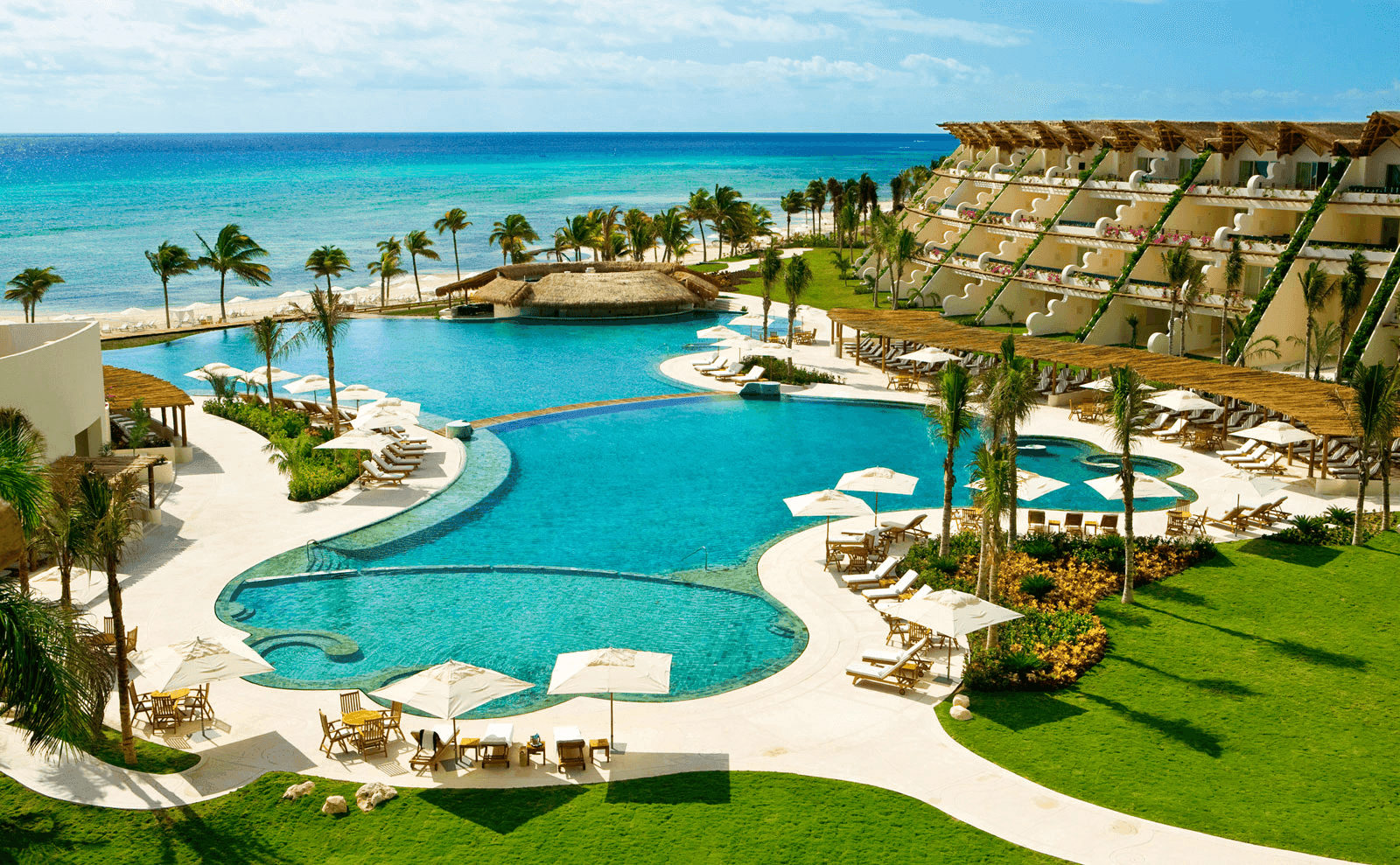
Saying the best time to visit Mexico is November through April is like saying the best time to visit the U.S. is spring — here's the region-by-region breakdown you actually need before booking your trip.
Update on Apr 8, 2026
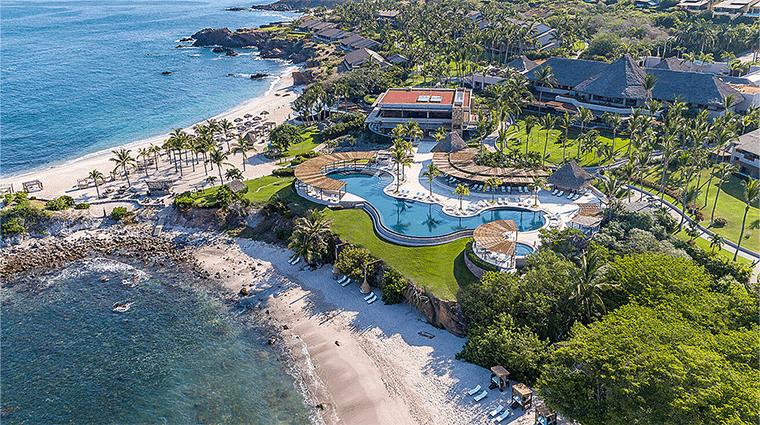
All-inclusive resorts in Mexico promise simplicity, but the reality is full of fine print. This guide breaks down what’s actually included, what costs extra, and how to avoid the common mistakes that can ruin your trip.
Update on Apr 10, 2026