Is Mexico Safe for Tourists? A Region-by-Region Breakdown
Before you cancel your trip based on a headline, here's what the actual safety data says, region by region, about traveling in one of the most rewarding destinations on the planet.
·
The short answer is: it depends entirely on where you're going.
Mexico gets painted with a single brush in American media, and the result is a lot of people who won't set foot in Merida (one of the safest cities in the Western Hemisphere) because they saw a headline about Sinaloa. That's like canceling a trip to Vermont because of crime statistics in Baltimore. Same country, completely different reality.
Here's what the actual data says, region by region, stripped of both the fearmongering and the "it's totally fine everywhere" dismissiveness that dominates travel forums.
How the Advisory System Works
The U.S. State Department rates every country on a 4-level scale. Mexico's overall rating is Level 2 ("Exercise Increased Caution"), which is the same advisory level as France, the UK, Germany, Italy, and Spain. But Mexico is one of the few countries where the State Department also issues state-by-state advisories, because conditions vary so dramatically within the country.
The 4 levels:
Level 1: Exercise Normal Precautions (basically, "you're fine")
Level 2: Exercise Increased Caution (standard awareness, trusted transportation, normal urban precautions)
Level 3: Reconsider Travel (real risks exist, travel only if necessary)
Level 4: Do Not Travel (active conflict, extreme danger)
Most major tourist destinations in Mexico sit at Level 1 or Level 2. The Level 4 states are places most tourists would never visit anyway. Understanding this distinction is the single most useful thing you can do before planning a trip.
Level 1: The Safest States
Yucatan is the only Mexican state that has never appeared on any U.S. restricted travel list. Merida, the state capital, was ranked the second safest city in the Americas (after Quebec City) by CEO World magazine. The homicide rate in Yucatan is lower than most U.S. states. You can walk around Merida at midnight eating marquesitas from a street cart and the biggest risk is a sugar crash. Chichen Itza, Uxmal, and the Ruta Puuc are all in Yucatan. This is as safe as it gets in Latin America.
Campeche sits next to Yucatan on the Gulf coast and shares its low crime profile. The walled colonial city of Campeche is a UNESCO World Heritage Site that feels like it's been preserved in amber. Almost zero tourist infrastructure compared to the Riviera Maya, which is part of why it stays safe: there's nothing to attract the wrong kind of attention.
Level 2: Where Most Tourists Actually Go
Quintana Roo (Cancun, Tulum, Playa del Carmen, Cozumel, Isla Holbox) is at Level 2. This is where the majority of American tourists in Mexico end up, and it's been at Level 2 for years. The hotel zones in Cancun and the Riviera Maya have heavy security presence, and violent crime against tourists is rare. Petty theft (pickpocketing in crowded markets, scams at taxi stands) is the primary risk. Use ATMs inside banks, agree on taxi fares before getting in, and keep valuables in hotel safes. Standard international travel precautions.
Mexico City is Level 2 and sometimes surprises people. CDMX has 22 million people in the metro area, and like any megacity, some neighborhoods are safer than others. The tourist corridor (Roma, Condesa, Polanco, Coyoacan, Centro Historico) is well-policed and heavily foot-trafficked. The risks are petty crime (phone snatching, express kidnapping in unlicensed taxis) rather than the cartel violence people associate with Mexico broadly. Use Uber or DiDi instead of street taxis. Stay in established neighborhoods. CDMX is one of the great cities of the world, and the safety concerns are manageable with basic awareness.
Oaxaca is Level 2 and consistently ranks among the safest states in Mexico for tourists. Oaxaca City has a strong police presence, a thriving tourist economy, and a local culture that's protective of its reputation as a welcoming destination. The coast (Puerto Escondido, Huatulco, Mazunte) is similarly safe, with the primary concerns being ocean currents rather than crime. The state of Oaxaca has largely avoided the cartel dynamics that affect other regions.
Nayarit (Sayulita, Punta Mita, San Pancho, Rincon de Guayabitos) is Level 2. The coastal tourist areas are well-established and safe. Sayulita is a small surf town with an expat community and a walkable center. The Punta Mita peninsula is gated and private. Nayarit's interior is a different story (more rural, less infrastructure), but the coast is among the safest beach destinations in the country.
Baja California Sur (Los Cabos, La Paz, Loreto, Todos Santos) is Level 2. The peninsula feels more like Southern California than mainland Mexico in terms of infrastructure and safety. Los Cabos has a massive American tourist economy, and the hotel zones are tightly secured. La Paz, further north, is quieter and arguably even safer. Loreto is a sleepy fishing town with almost zero crime.
Guanajuato is Level 2 specifically in the tourist zones (San Miguel de Allende, Guanajuato City) and Level 3 elsewhere. San Miguel de Allende has a large American and Canadian expat community and routinely appears on "best cities in the world" lists. The colonial center is walkable and safe. The advisory for the broader state reflects cartel activity in industrial cities like Celaya and Irapuato, which are not tourist destinations.
The Complicated One: Jalisco
Jalisco is Level 3 ("Reconsider Travel") as a state, which causes a lot of unnecessary panic because Puerto Vallarta is in Jalisco.
Here's the context: Puerto Vallarta was ranked the second safest city in all of Mexico by the 2025 Peace Index. Its homicide rate (9.1 per 100,000) is well below the national average and lower than many American cities. The Level 3 advisory reflects conditions in other parts of Jalisco, particularly around the outskirts of Guadalajara and rural areas in the state's interior. The tourist zones of Puerto Vallarta and the surrounding Banderas Bay coast have heavy federal police and military presence, an economy entirely dependent on tourism, and a local government that aggressively protects its safety reputation.
The disconnect between the state-level advisory and the on-the-ground reality in PV is one of the most frequently cited examples of why the U.S. advisory system can be misleading. If you're going to Puerto Vallarta, the Level 3 for Jalisco should inform your awareness but not cancel your trip.
Level 4: Where Not to Go
Six states currently carry Level 4 ("Do Not Travel") advisories: Sinaloa, Tamaulipas, Guerrero, Colima, Michoacan, and Zacatecas. These advisories exist because of active cartel conflict, territorial disputes, and elevated risk of violence.
For tourists, the relevant one is Guerrero, because it contains Acapulco. Acapulco was once Mexico's most famous beach destination, and it still has name recognition. But the security situation has deteriorated significantly over the past decade, and the State Department's Level 4 advisory is not an overreaction. There are safe areas within Acapulco's hotel zone, but the surrounding city has serious problems. If you're considering Acapulco, redirect to virtually any other beach destination on this list.
The other Level 4 states (Sinaloa, Tamaulipas, Zacatecas) are not tourist destinations and don't appear on most travelers' radars. Michoacan has some beautiful areas (Patzcuaro, Morelia) but the Level 4 advisory reflects real and ongoing security risks. Colima, similarly, has the Manzanillo beach area but the state-level risk makes other Pacific coast options a better choice.
What the Numbers Actually Say
Some context that often gets lost:
Mexico received over 40 million international visitors in 2024. The overwhelming majority had safe, uneventful trips. The U.S. alone sends roughly 30 million visitors to Mexico annually, making it the most-visited international destination for Americans.
Crime against tourists in the Level 1 and Level 2 areas is overwhelmingly petty: pickpocketing, taxi scams, overcharging at bars, fake tour operators. Violent crime against tourists in resort areas is statistically rare and, when it occurs, makes international headlines precisely because it's unusual.
That doesn't mean risk is zero. It means the risk profile in Merida, Cancun, Puerto Vallarta, Oaxaca, and CDMX is comparable to what you'd accept traveling in any major international city.
Practical Safety Tips (Specific to Mexico)
Transportation. Use Uber, DiDi, or hotel-arranged transportation rather than hailing taxis on the street. In CDMX specifically, never take an unmarked taxi. At airports, use the official taxi counters inside the terminal.
ATMs. Use ATMs inside banks during business hours. Standalone ATMs (especially at convenience stores) are more susceptible to skimming. Withdraw what you need and keep cash distributed across pockets rather than in a single wallet.
Night. In resort areas and major tourist neighborhoods, walking at night is generally fine. In unfamiliar areas, take a car. This is the same advice you'd follow in any city you don't know well.
Phones. Phone snatching is the most common petty crime affecting tourists in CDMX and Cancun. Don't walk with your phone in your hand on busy streets. Use it, put it away, keep moving.
Water. Don't drink tap water. This isn't a safety issue in the crime sense; it's a plumbing infrastructure issue. Bottled water is available everywhere for a few pesos. Hotels provide it in the room. Restaurants use purified water and ice.
Insurance. Get travel insurance that covers medical evacuation. Not because you'll likely need it, but because Mexican hospitals (which are generally good, especially private ones) operate on a pay-first model, and a medical flight home without insurance can cost $50,000+.
The Bottom Line
Mexico is a country of 130 million people spanning 32 states, and the safety picture varies as dramatically as the geography. The places where tourists actually go (the Yucatan, the Riviera Maya, Puerto Vallarta, CDMX, Oaxaca, Los Cabos, San Miguel de Allende) are at the same advisory level as Western Europe and are statistically safe for visitors who exercise normal precautions.
The places the State Department tells you not to go are places you wouldn't have gone anyway.
Read the state-by-state advisories before your trip. Know which neighborhoods to avoid. Use registered transportation. And then go enjoy one of the most rewarding travel destinations on the planet, because the version of Mexico that exists in cable news headlines bears almost no resemblance to the one you'll actually experience.
About Us
Alta Mexico is a curated travel resource dedicated to showcasing the very best of Mexico's food, culture, people, and places. What begins as a single visit often turns into something deeper, and this platform exists to capture that experience.
From cobblestone streets in Oaxaca to mezcal tucked away in quiet cantinas and sunsets across the Yucatán, Alta Mexico highlights the destinations, meals, and moments that define the country. Whether it’s a first visit or a return trip, the goal is simple: help travelers experience Mexico with more intention and insight.
Read More
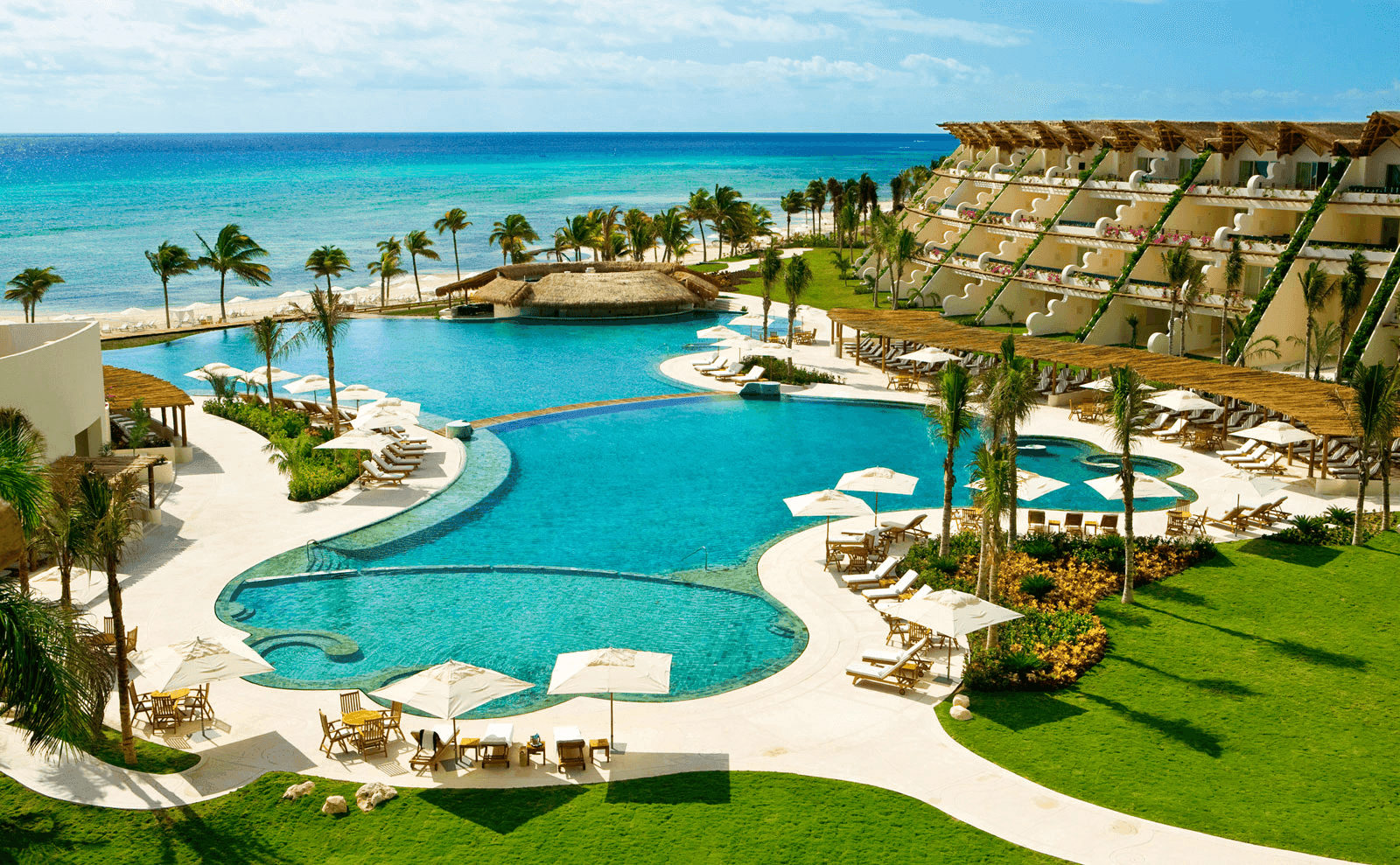
Saying the best time to visit Mexico is November through April is like saying the best time to visit the U.S. is spring — here's the region-by-region breakdown you actually need before booking your trip.
Update on Apr 8, 2026
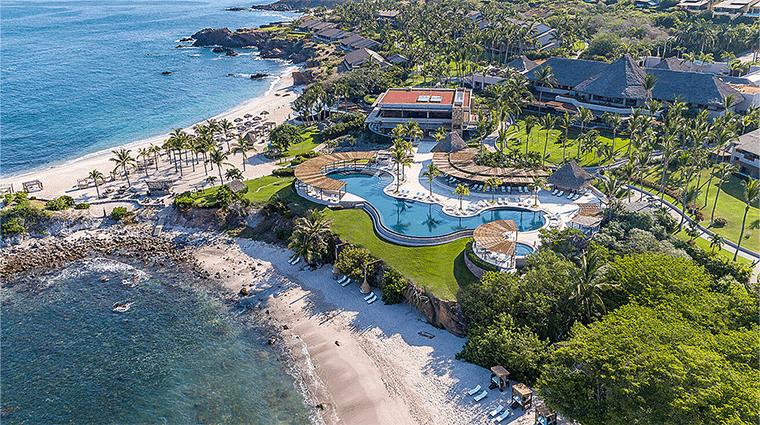
All-inclusive resorts in Mexico promise simplicity, but the reality is full of fine print. This guide breaks down what’s actually included, what costs extra, and how to avoid the common mistakes that can ruin your trip.
Update on Apr 10, 2026

The drive from Mexico City to Oaxaca is more than just a transfer, it’s a journey through some of the country’s most diverse landscapes and food regions. This guide breaks down where to stop, what to eat, and how to make the most of it.
Update on Apr 10, 2026