
Mexico City to Oaxaca: The Best Road Trip in Mexico
The drive from Mexico City to Oaxaca is more than just a transfer, it’s a journey through some of the country’s most diverse landscapes and food regions. This guide breaks down where to stop, what to eat, and how to make the most of it.
·
The drive from Mexico City to Oaxaca City is about 460 kilometers. Google says 5 hours. Google is being optimistic. With stops (and you should stop), plan for a full day of driving or, better yet, break it into 2 days and actually see the country between the two cities.
This route takes you from 2,240 meters elevation in CDMX down through the dry valleys of Puebla, over mountain passes in the Sierra Mixteca, past mezcal country, and into the central valley of Oaxaca. The landscape changes dramatically every hour. The food changes with it.
Before You Leave Mexico City
Start early. Like, 6am early. Mexico City traffic is not an abstract concept. Getting from most neighborhoods to the Autopista del Sol or the Puebla highway during rush hour can add 90 minutes to your trip before you've even left the metropolitan area. On a Sunday morning, the same stretch takes 20 minutes.
Rent your car from the airport or from a Polanco/Roma location with highway access. Don't try to navigate a rental through Centro Historico. You'll age 5 years.
The toll roads (autopistas) are worth every peso. The free highways (libres) are scenic in theory and stressful in practice: narrower, slower, more trucks, and significantly more potholes. The tolls from CDMX to Oaxaca total around 700-900 pesos ($40-55 USD) depending on your exact route. Budget for it.
Stop 1: Puebla (2 Hours from CDMX)
Puebla is 130 kilometers east of Mexico City, and it deserves more than a bathroom break. The historic center is a UNESCO site with over 5,000 colonial buildings, the largest number in any Mexican city. But the reason to stop is the food.
Mole poblano was invented here. The city claims it, the historical record supports it (more or less), and the versions you'll find in Puebla's traditional restaurants are different from what you get in CDMX. Richer, more complex, with deeper chocolate and chile notes. Fonda de Santa Clara on 3 Poniente has been serving it since 1965. Order the mole poblano with chicken and a side of chiles en nogada if they're in season (August through September).
Cemitas are Puebla's signature sandwich: a sesame-seed roll stuffed with breaded meat (milanesa), Oaxaca cheese, avocado, chipotle, and papalo (an herb you'll either love or compare unfavorably to soap). The best cemitas are at Cemitas Las Poblanitas on 11 Norte, a market stall that's been operating for decades. Cash only, no seats, and worth the mess.

Walk through the Rosary Chapel (Capilla del Rosario) inside the Church of Santo Domingo. The interior is covered in 23-karat gold leaf and ornate stucco work from the 1600s. It takes about 15 minutes and it will be the most visually overwhelming room you walk into on this trip.
Budget 2-3 hours for Puebla if you're eating. 1 hour if you're just stretching your legs.
Stop 2: Tehuacan (1.5 Hours from Puebla)
Tehuacan is a small city in the Tehuacan Valley that most road-trippers blow past. That's a mistake if you have any interest in the origins of what you're eating and drinking in Mexico.
The Tehuacan Valley is where corn was first domesticated, roughly 7,000 years ago. There's a small but well-curated museum, the Museo de Mineralogía, and the surrounding valley is part of the
Tehuacan-Cuicatlan Biosphere Reserve, a UNESCO site since 2018. The landscape here is semi-arid, covered in columnar cacti (some over 15 meters tall) that make the valley look like another planet.
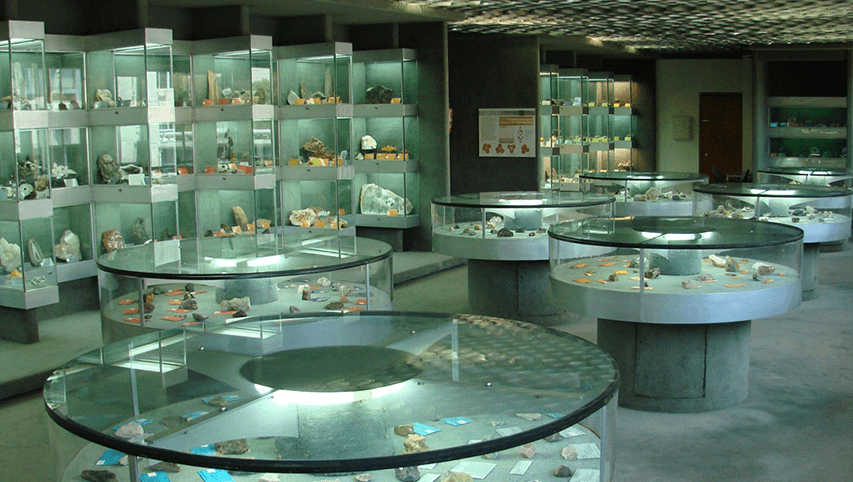
The town itself is known for its mineral water springs. Agua de Tehuacan (Peñafiel's original source) has been bottled here since the late 1800s. You can drink it straight from the source at several spots around town, and yes, it does taste different from the bottled version.
Quick stop: 45 minutes. Proper visit: 2 hours.
Stop 3: The Mixteca Alta
Between Tehuacan and Oaxaca, the highway climbs into the Sierra Mixteca. This is the least-visited section of the drive and the most dramatic. The road winds through mountains, drops into valleys, and passes through small towns where the architecture shifts from colonial to indigenous Mixtec.
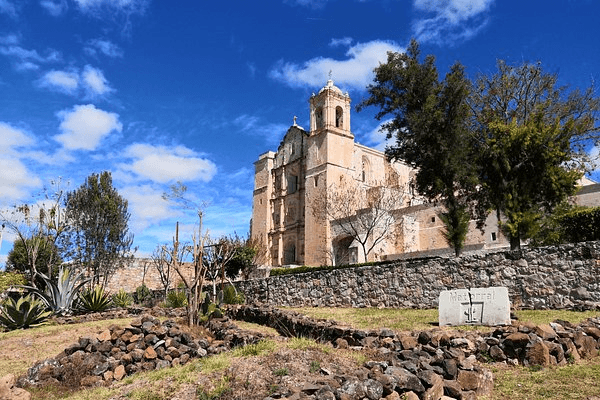
Coixtlahuaca is about 30 minutes off the main highway (if you take the turnoff near Tecomavaca) and home to one of the most stunning 16th-century Dominican monasteries in Mexico. The Templo y Ex-Convento de San Juan Bautista sits in a town of fewer than 2,000 people and has a carved stone facade that rivals anything in Puebla or Oaxaca City. Almost nobody visits. If you have the time and the appetite for a detour, this is the one.
Nochixtlan is a larger town on the main highway where you can stop for gas, coffee, and tlayudas (Oaxaca's oversized, crunchy tortillas topped with beans, cheese, and meat). The market near the center has several vendors serving them. You're officially in Oaxacan food territory now.
Stop 4: Oaxaca City
The last stretch from Nochixtlan to Oaxaca City is about 90 minutes of winding mountain road that opens up into the Central Valley of Oaxaca. When you see the city spread across the valley floor with the Sierra Norte rising behind it, you'll understand why people come here and forget to leave.
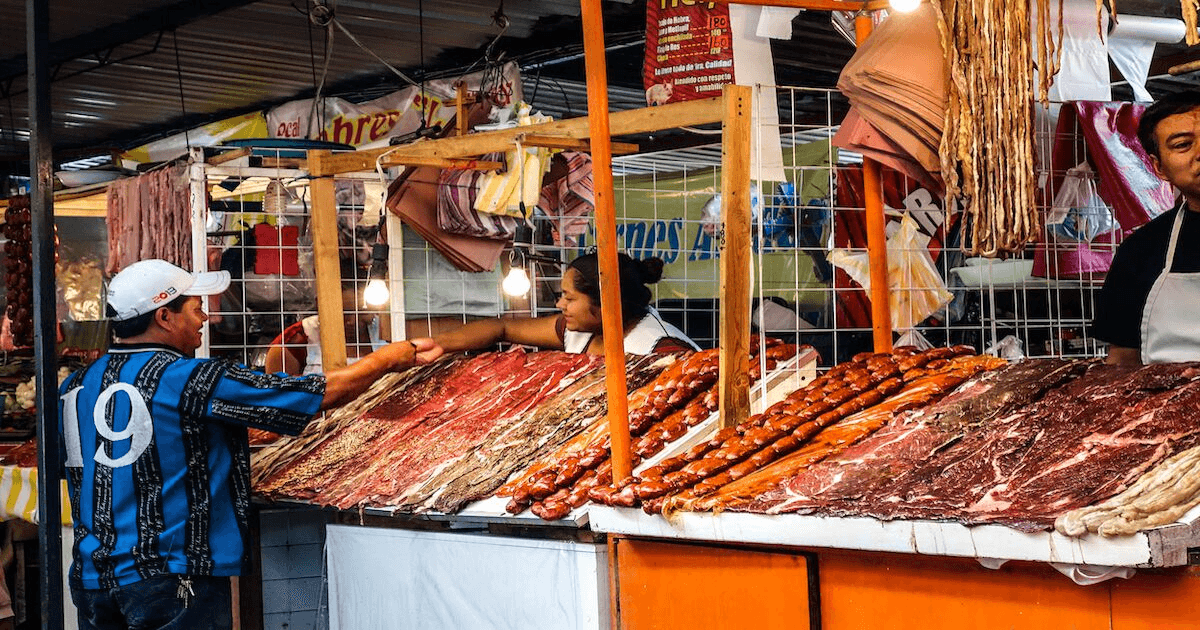
Arriving late in the day is fine. Check in, drop your bags, and walk to Mercado 20 de Noviembre for dinner. This is Oaxaca's smoke-filled food market, where the pasillo de humo (smoke alley) has vendors grilling tasajo (thin-sliced beef), chorizo, and cecina (salt-cured pork) over open coals. You point at what you want, they grill it, and you eat it at communal tables with tortillas, salsa, and a beer. It's the best introduction to Oaxacan cooking that exists.
If the market is closed (it shuts down by 8pm most nights), walk to Zandunga on Garcia Vigil for Isthmus-region Oaxacan food, which is different from the highland cuisine most visitors encounter. The garnachas and the tamales de cambray are worth ordering even if you're not hungry.
The 2-Day Version
If you have the time, split the drive with an overnight in Puebla. This gives you a full evening to explore Puebla's food scene (dinner at Augurio for modern Poblano cooking, or El Mural de los Poblanos overlooking the zocalo for something more traditional), a morning to walk the city center, and a relaxed second day of driving through the Mixteca with stops.
Day 1: CDMX to Puebla (2 hours driving, full afternoon and evening in Puebla). Day 2: Puebla to Oaxaca (4-5 hours driving with stops in Tehuacan and Nochixtlan).
Practical Notes
Gas stations. Fill up in Puebla and again in Tehuacan or Nochixtlan. The stretch through the Mixteca has fewer stations, and the ones that exist sometimes run out of premium.
Toll booths accept cards on the main autopistas, but carry cash as a backup. Some smaller toll plazas are cash only.
Altitude. You're above 2,000 meters for most of this drive. If you're coming from sea level and feeling the elevation in CDMX, the drive won't make it worse, but the mountain passes can hit 2,500+ meters. Drink water.
Don't drive at night. This isn't a safety warning about crime (though that's also a reason). The mountain roads between Tehuacan and Oaxaca are winding, poorly lit, and share lanes with trucks. Visibility drops to almost nothing after dark. Plan to arrive before sunset.
Return flight option. If you don't want to drive back, one-way car rentals from Oaxaca to CDMX are available from most major rental companies, though they charge a drop-off fee (usually 1,500-3,000 pesos). Alternatively, fly back from Oaxaca's Xoxocotlan Airport to CDMX. Flights are about an hour and often cheaper than the gas and tolls combined.
The best road trip in Mexico ends in the best food city in Mexico. That's not a coincidence.
About Us
Alta Mexico is a curated travel resource dedicated to showcasing the very best of Mexico's food, culture, people, and places. What begins as a single visit often turns into something deeper, and this platform exists to capture that experience.
From cobblestone streets in Oaxaca to mezcal tucked away in quiet cantinas and sunsets across the Yucatán, Alta Mexico highlights the destinations, meals, and moments that define the country. Whether it’s a first visit or a return trip, the goal is simple: help travelers experience Mexico with more intention and insight.
Read More
Before you cancel your trip based on a headline, here's what the actual safety data says, region by region, about traveling in one of the most rewarding destinations on the planet.
Update on Apr 8, 2026
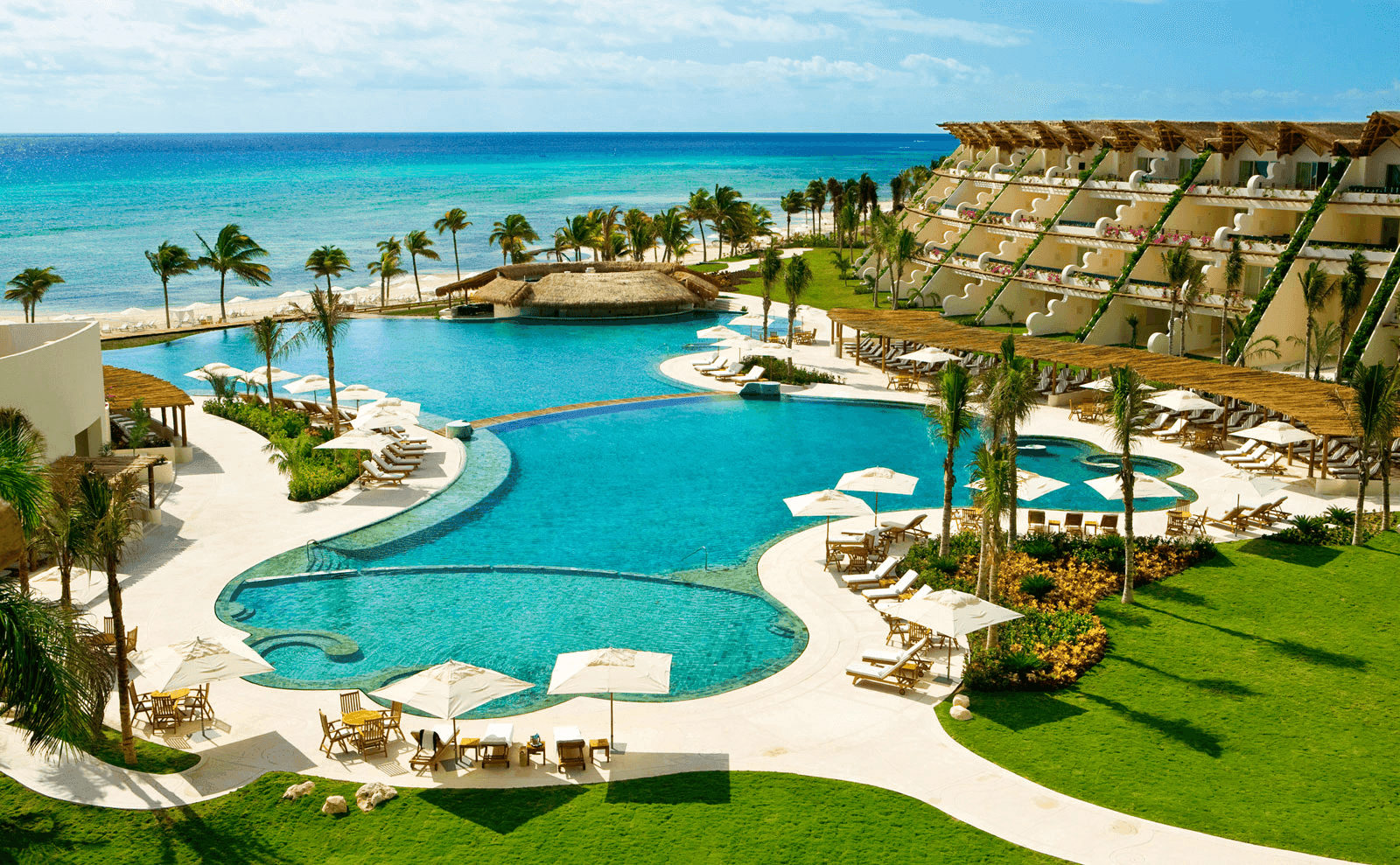
Saying the best time to visit Mexico is November through April is like saying the best time to visit the U.S. is spring — here's the region-by-region breakdown you actually need before booking your trip.
Update on Apr 8, 2026
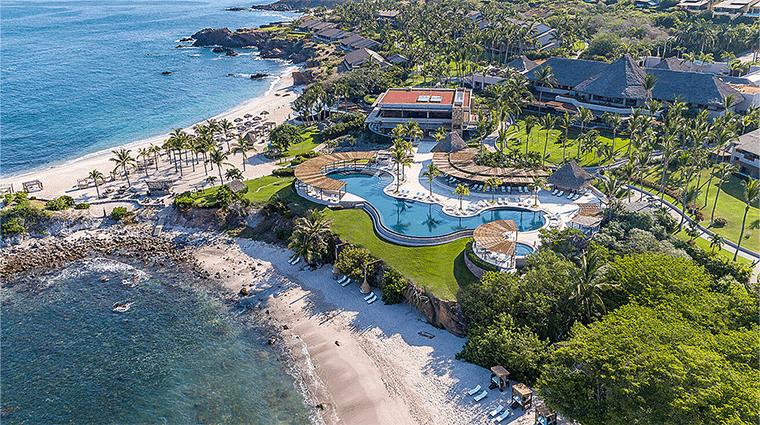
All-inclusive resorts in Mexico promise simplicity, but the reality is full of fine print. This guide breaks down what’s actually included, what costs extra, and how to avoid the common mistakes that can ruin your trip.
Update on Apr 10, 2026