
10 Mexican Resorts Where the Architecture Is the Reason to Go
A guide to Mexico’s most architecturally significant hotels, where design, materials, and landscape shape stays as much as the destinations themselves.
·
Most of Mexico's good hotels have good design. A smaller set of them have architecture that's actually the reason to book. Buildings where the materials were decided before the cushions, where the site plan shaped the guest experience rather than accommodating it, where the architect's name belongs in the conversation.
The list below is 10 of those. They're spread across the country, and no two of them share a vocabulary. A few are well-known. A few are quieter. The order below is loose, but the ones near the top are the clearest statements.
1. Chable Yucatan (Chocola, Yucatan)
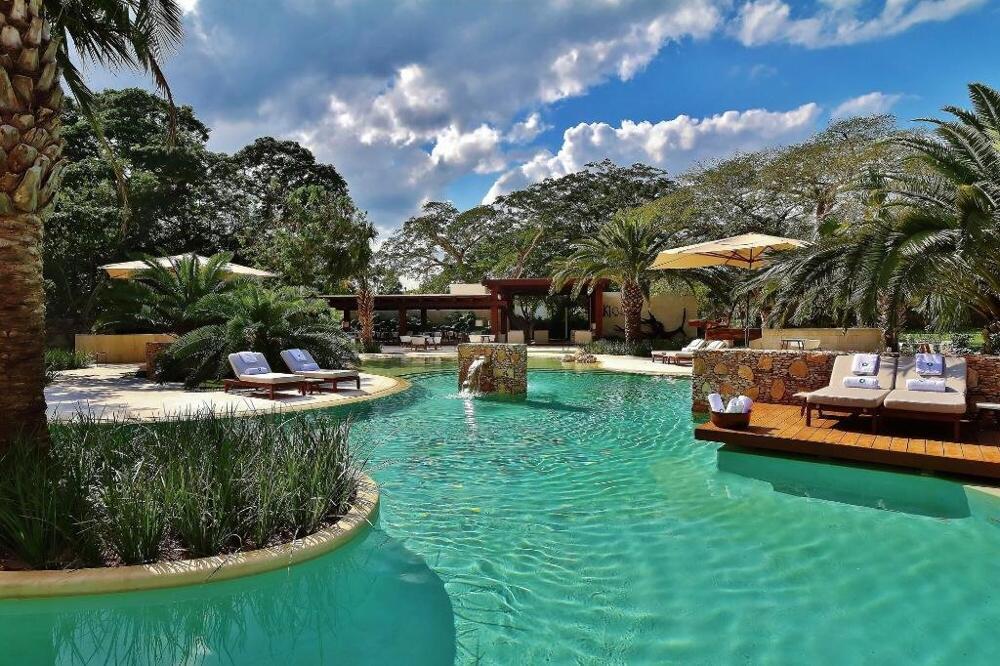
Jorge Borja's restoration of a 19th-century henequen hacienda near Merida, built around a natural cenote that now houses the spa. The public buildings are restored stone and lime-plaster structures from the original estate. The 40 casitas are new, arranged along jungle paths as individual pavilions with private pools, plunge baths, and thatched roofs referencing Mayan chozas. The cenote spa sits 18 meters below grade in a sinkhole that's been there for 10,000 years, and the architecture treats the approach (a long ramp, a stone tunnel, the reveal) as part of the treatment. Michelin Keys arrived in 2024. Easily the most considered luxury hotel in the Yucatan.
2. Four Seasons Naviva (Punta Mita, Nayarit)
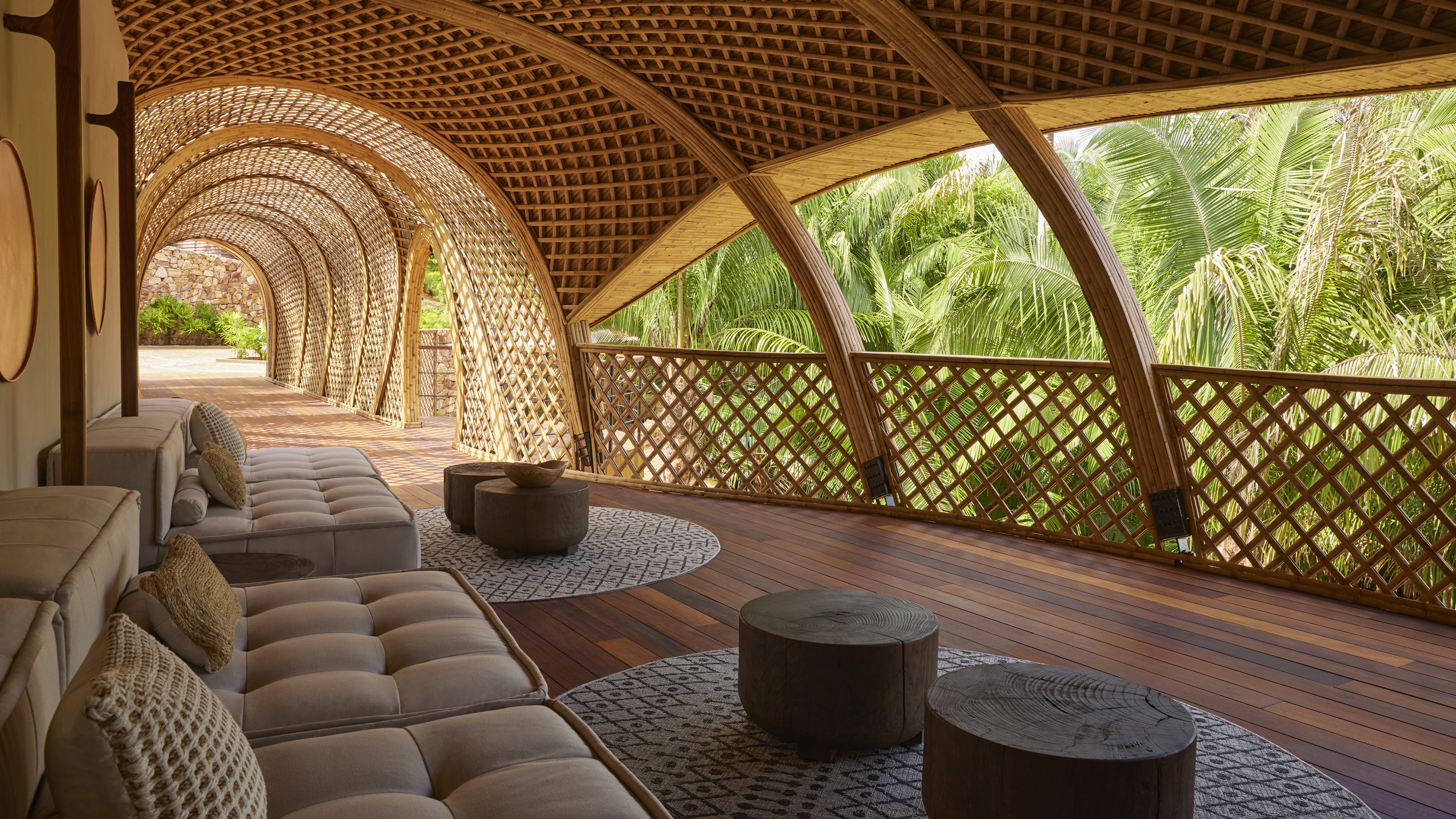
Luxury Frontiers designed the 15 tented bungalows as a study in biophilic architecture, with canvas roll-up walls that open the living areas directly to the jungle and bespoke furniture fabricated by local artisans. The site design team (EDSA) surveyed the 48-acre peninsula tree by tree and hand-placed the tents between roughly 1,800 preserved specimens, with another 345 natives added after construction. Materials run to laminated bamboo, copper, and indigenous stone. The arrival sequence (a timber footbridge wrapped in a lattice bamboo weave, opening into a copper-shingle cocoon) is one of the most controlled welcome experiences in any Mexican resort. Adults only (16+), 15 tents, operationally independent of its larger Four Seasons neighbor next door.
3. Paradero Todos Santos (Baja California Sur)
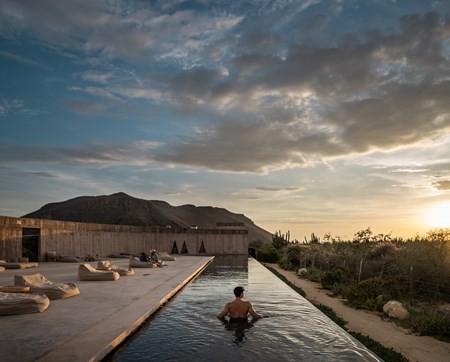
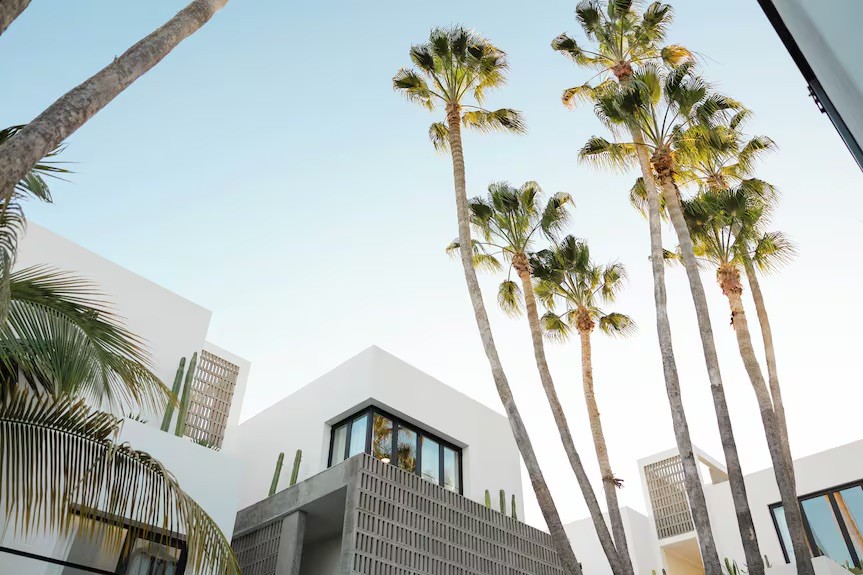
Yektajo+Valdez Arquitectos put a long, low concrete and volcanic-stone building into the desert 10 minutes outside Todos Santos. 35 suites, flat roofs, open-air transitions between interior and exterior, a central garden with a fire pit that's the social heart of the property. The architecture is brutalist in its material palette and minimalist in its gestures, and the siting (facing the Pacific, set back in the cardón cactus and the Sierra de la Laguna foothills) is what makes it land. Michelin Keys in 2024. A proof of concept for what Baja Sur architecture can look like when it's not trying to be Cabo.
4. Hotel Escondido (Puerto Escondido, Oaxaca)
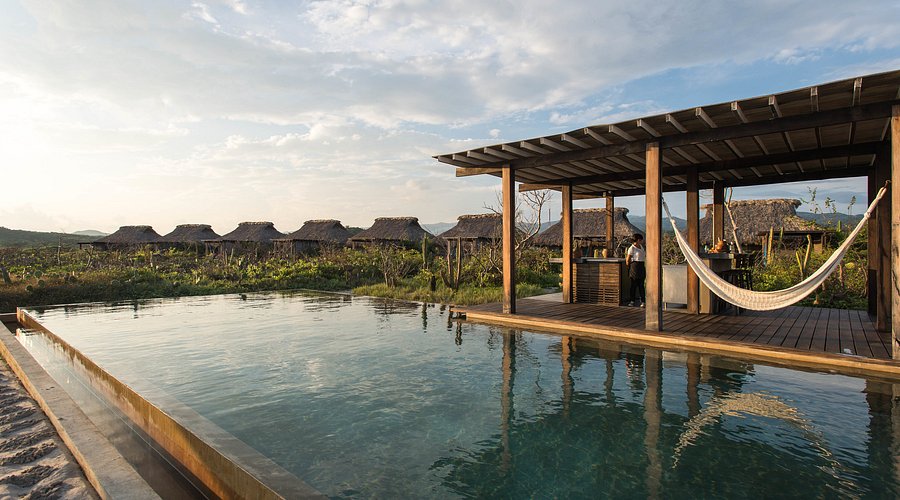
Grupo Habita's project on the Pacific coast of Oaxaca, 16 thatched bungalows set on a wild stretch of sand about 20 minutes outside town. Alberto Kalach was involved in the early design work, and the result is an exercise in restraint: palapa roofs, wood and stone floors, outdoor showers, no air conditioning in most of the bungalows. The architecture treats the climate as collaborator rather than adversary, which in Oaxaca is a posture that requires trust in both the guest and the material.
5. Azulik (Tulum, Quintana Roo)
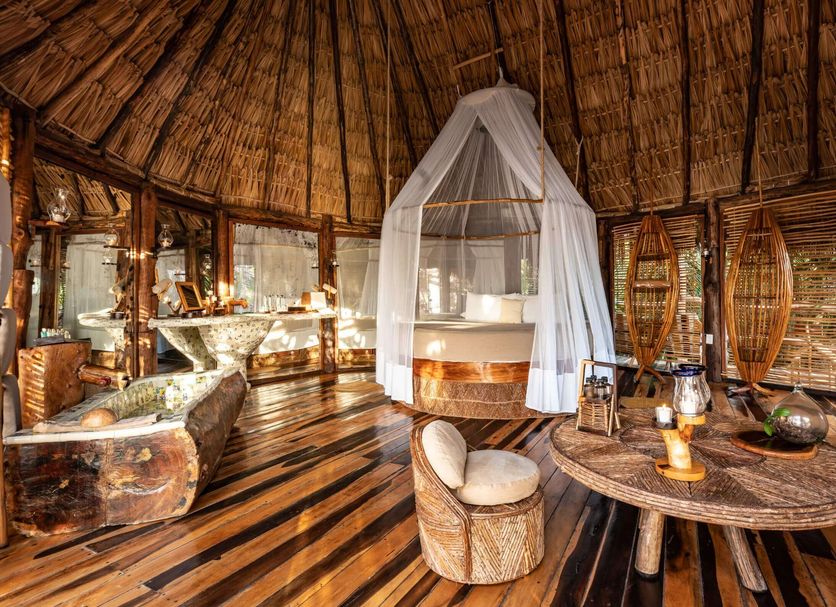
Eduardo Neira (known as Roth) spent two decades building a jungle compound that reads somewhere between Gaudi and a tree-dwelling primate's dream. Curving bejuco-vine structures, no straight lines, suspended wooden walkways, Mayan and organic references, rooms with no electricity and sunken stone tubs. The architecture is polarizing (some love it, some find the bare floors and deliberate discomfort too much), but nobody denies it's architecture. Included here because the form is genuinely unlike anything else in Mexico and because it's been the single most-photographed hotel interior on the Yucatan peninsula for 10 years running.
6. Encuentro Guadalupe (Valle de Guadalupe, Baja California)
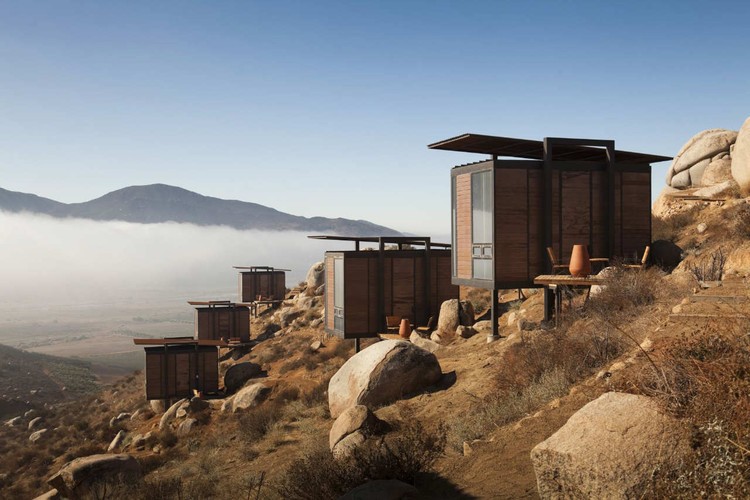
Graciastudio's EcoLoft cabins in Mexico's wine country: 20 rust-colored steel boxes perched on rocky outcroppings overlooking a vineyard. Each cabin is 20 square meters, minimal, with a single glass wall facing the valley. The architecture works because of the contrast: harsh rectangles in soft hills, industrial metal against agrarian terraces. The property started as a design exercise and became the anchor of Valle de Guadalupe's hotel scene. The wine country around it has since grown into Mexico's most interesting food region. Bring layers and a headlamp for the walk back from dinner.
7. Hotel Boca Chica (Acapulco, Guerrero)
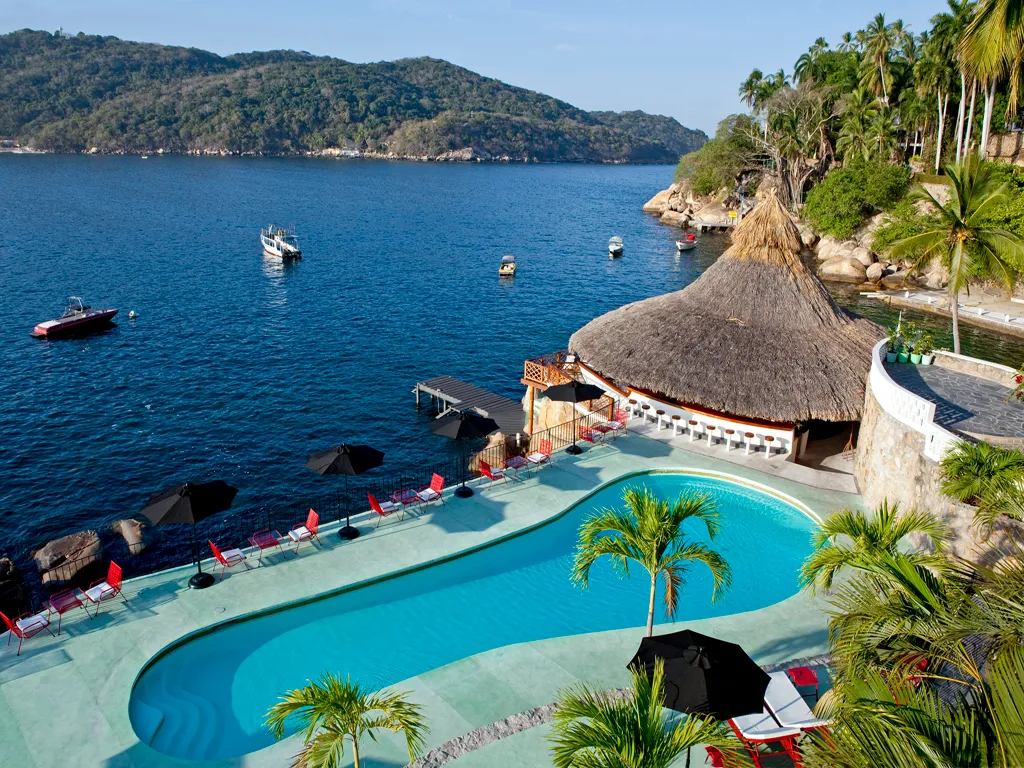
A 1950s mid-century modernist time capsule restored by Grupo Habita in 2010, sitting on a small rocky point in Caleta Bay. 30 rooms, white walls, Acapulco yellow and turquoise accents, the original diving platform from the Jet Set era still in use. The architecture is the point: it's one of the last functioning examples of the Golden Age Acapulco vocabulary (angular concrete, open-air everything, a pool cantilevered over the rocks) and the restoration respected the original fabric rather than updating it out of existence. If you care about mid-century Mexican design, Boca Chica is a pilgrimage site.
8. Casa Polanco (Mexico City)
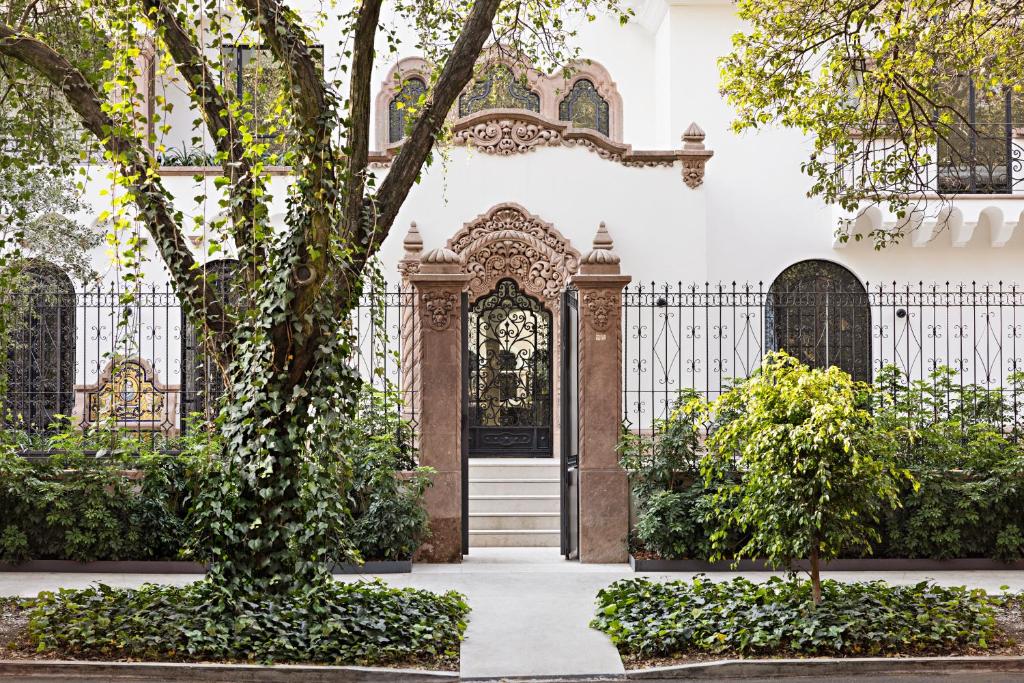
An 11-room conversion of a 1940s Polanco residence, restored and reimagined with a minimal intervention that kept the original plaster, marble, and ironwork intact. Not a conventional hotel. No restaurant, no check-in desk in the usual sense. The architecture does the work of signaling what the stay is: a neighborhood apartment with staff, rather than a hotel in a neighborhood. Michelin recognized it with a Key in the first Mexican edition. For travelers who find the city's bigger luxury hotels (which are genuinely good) too much of an announcement, Casa Polanco is the other option.
9. Drift San Jose (San Jose del Cabo)
A compact 19-room boutique in downtown San Jose, concrete-forward in the same register as Paradero but at a smaller scale. Built around an interior courtyard with a pool and mature trees, with ground-floor public spaces that open directly to the plaza. The architecture is urban rather than resort, which matters in Cabo because almost nothing else in the region is. The property also carries a very specific vibe (art, mezcal, music) that the architecture amplifies.
10. Círculo Mexicano (Mexico City)
Ambrosi Etchegaray's renovation of a 19th-century building on the Zócalo, with a design language borrowed from Shaker furniture and monastic simplicity. 25 rooms, wood, linen, stone, a rooftop with a plunge pool and a direct view of the Catedral Metropolitana. The architecture is the quietest entry on this list. It doesn't shout. It operates on the logic that reducing a hotel to its essentials, in a building with this kind of history, is the interesting move.
About Us
Alta Mexico is a curated travel resource dedicated to showcasing the very best of Mexico's food, culture, people, and places. What begins as a single visit often turns into something deeper, and this platform exists to capture that experience.
From cobblestone streets in Oaxaca to mezcal tucked away in quiet cantinas and sunsets across the Yucatán, Alta Mexico highlights the destinations, meals, and moments that define the country. Whether it’s a first visit or a return trip, the goal is simple: help travelers experience Mexico with more intention and insight.
Read More

From world-class fine dining in Polanco to bustling market stalls and late-night taco stands, this is your neighborhood-by-neighborhood guide to eating your way through one of the greatest food cities on earth.
Update on Apr 8, 2026
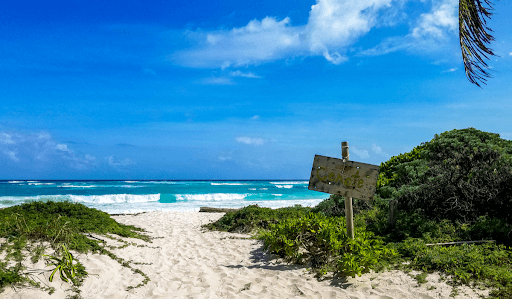
Forget the ranked lists — Mexico's best beaches depend entirely on what you're actually looking for, so we broke them down by surfing, snorkeling, families, solitude, nightlife, and the hidden gems most travelers never find.
Update on Apr 8, 2026
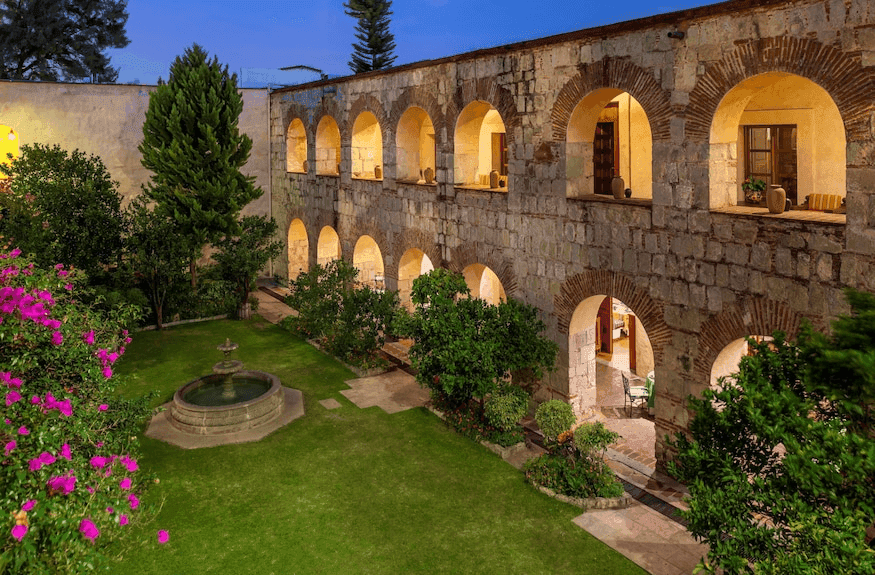
Oaxaca's boutique hotel scene is unlike anywhere else in Mexico, where 500-year-old convents, artist-run guesthouses, and socially conscious properties make the question of where to stay just as interesting as what to eat and drink.
Update on Apr 8, 2026