
The Best Restaurants in Mexico City: A Neighborhood Guide
From world-class fine dining in Polanco to bustling market stalls and late-night taco stands, this is your neighborhood-by-neighborhood guide to eating your way through one of the greatest food cities on earth.
·
Mexico City has more restaurants than any single human could visit in a lifetime. That's not hyperbole. The estimates hover around 60,000, and that's before you count the taco stands, market stalls, and the lady on the corner with the blue comal who only shows up on Tuesdays.
So narrowing it down to a list feels almost irresponsible. But here's what I can do: walk you through the neighborhoods where the eating is best and point you toward the places that have earned their reputations, not through hype, but through years of feeding people who know the difference.
This is a neighborhood guide, not a ranking. Where you eat in CDMX should depend on where you're staying, what you're craving, and whether you want a tablecloth or a plastic stool.
Polanco
Polanco is where the money eats. That's not a knock. The dining here is serious, and two of the most important restaurants in the Western Hemisphere sit within a few blocks of each other.
Pujol is the one most people have heard of. Enrique Olvera's flagship has been on the World's 50 Best list for over a decade, and it currently sits at number 5. The mole madre (a dish that layers a 1,500-day aged mole under a fresh one) has become one of the most photographed plates in Mexican fine dining. The omakase-style tasting menu runs about 8 courses, and the whole experience takes around 2 hours. Expect to spend $150-200 per person before drinks. Reservations open 30 days out and evaporate fast.
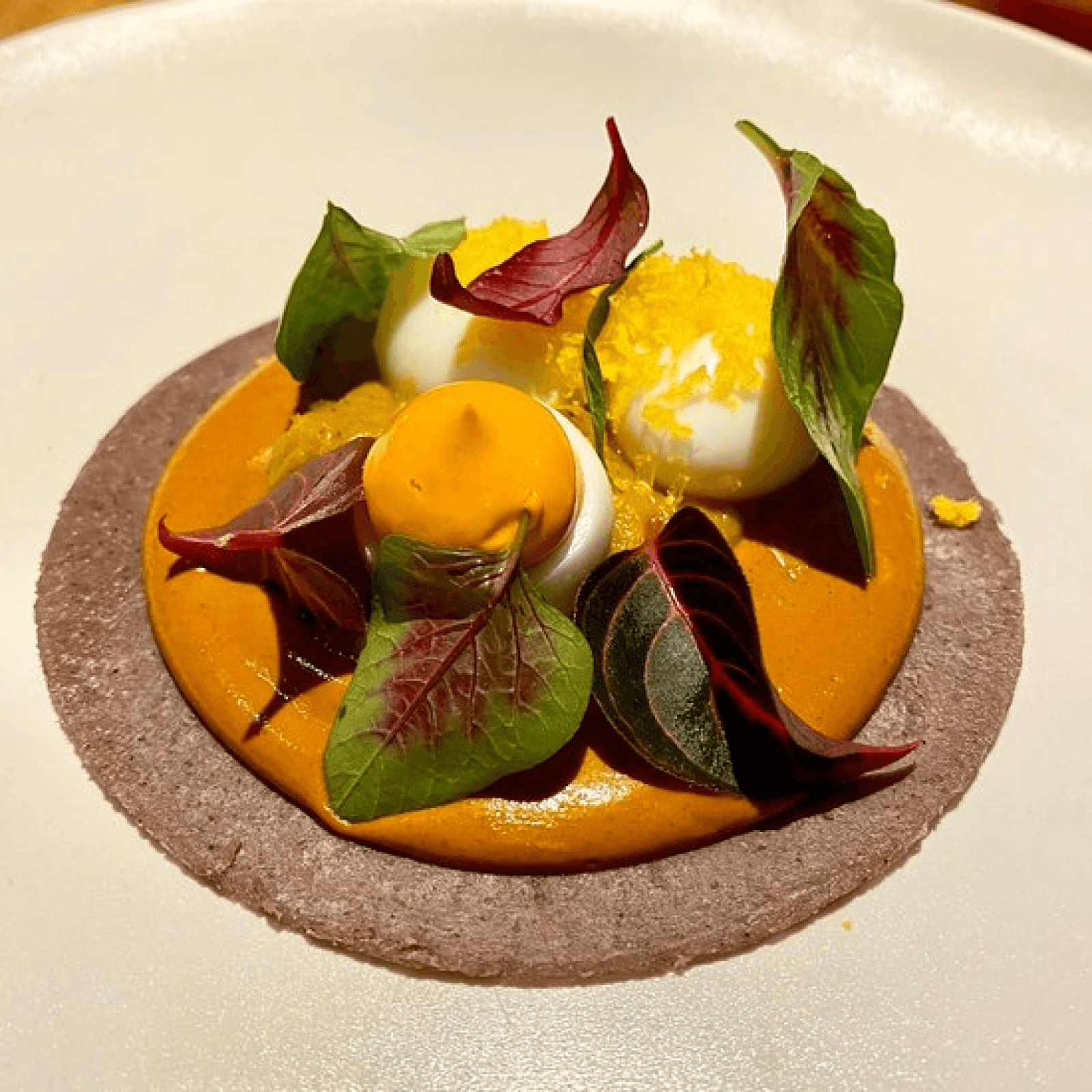
Quintonil is Pujol's neighbor and, depending on who you ask, its equal. Jorge Vallejo and Alejandra Flores built the restaurant around seasonal vegetables and indigenous ingredients from across Mexico. It ranked 3rd on the World's 50 Best in 2025. The tasting menu changes constantly, which means repeat visits actually reward you. A bit more relaxed than Pujol in atmosphere (garden seating, natural light) but just as precise on the plate.
Both restaurants hold 2 Michelin stars. Together they account for the only two 2-star ratings in all of Mexico.
If you're doing one fine dining meal in CDMX, pick either. If you're doing two, do both and compare notes. They're different enough to justify it.
Roma Norte
Roma Norte is where CDMX's dining scene has its center of gravity right now. The neighborhood is dense with options, from corner taquerias to Michelin-starred tasting rooms, and the walk between them is half the fun.
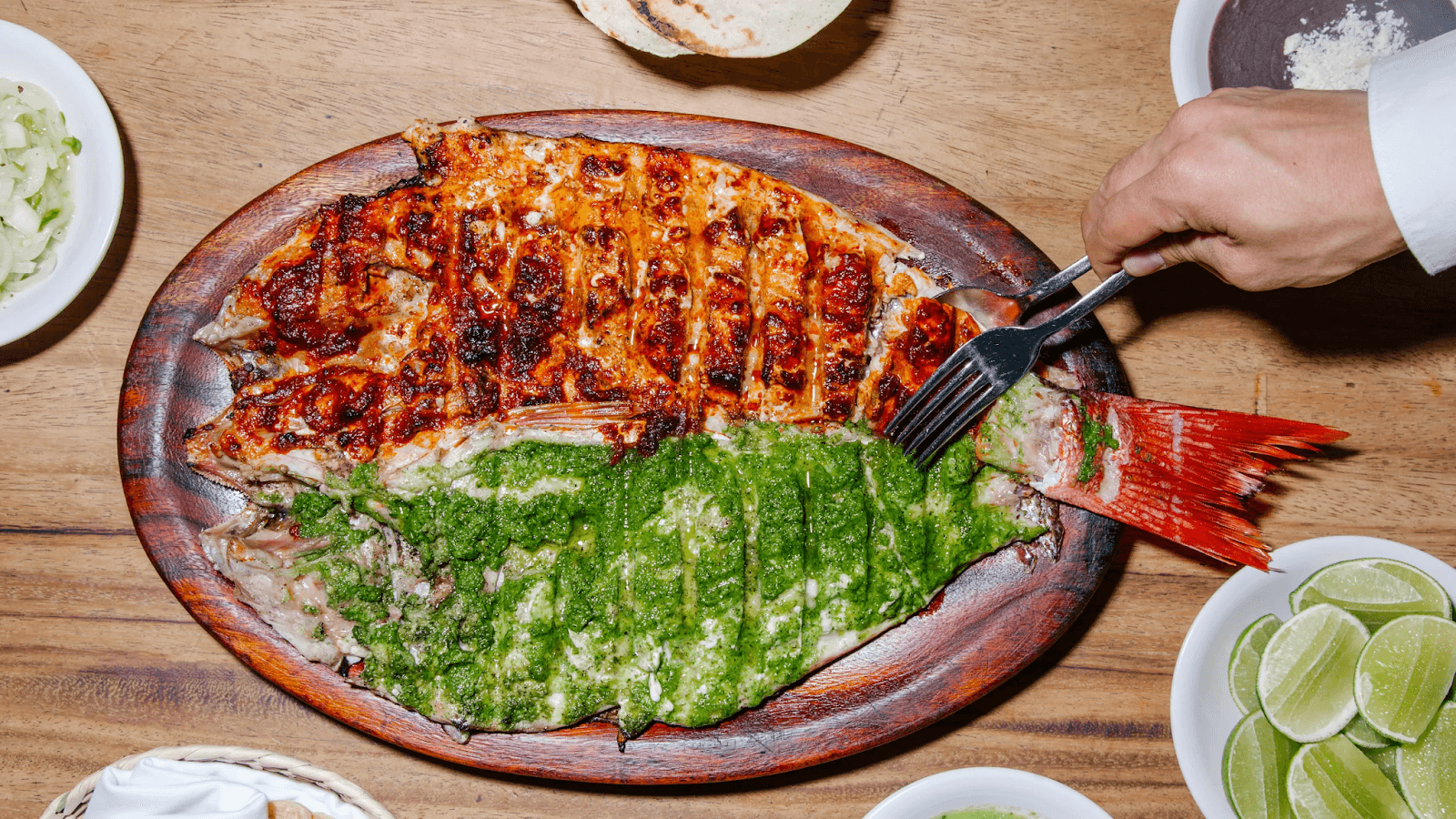
Contramar is the restaurant that every local will name first. Gabriela Camara opened it in 1998 with the idea of bringing coastal seafood into the city, and it hasn't lost a step. The tuna tostadas are the thing everyone orders, but the whole grilled fish (split between red chili and parsley sauces) is the actual signature. No reservations. The line at 1pm on a Saturday can stretch down the block. Go at noon or accept the wait. It's earned.
Rosetta sits in a converted Roma townhouse and serves Elena Reygadas's Italian-inflected Mexican cooking. Reygadas was recently voted the world's best female chef, and the restaurant holds a Michelin star. The pastas are what most people come for (the ricotta stuffed squash blossom pasta in particular), but the vegetable dishes steal the meal. Reservations recommended.
Maximo Bistrot earned its first Michelin star in 2025, and the response from regulars was essentially "finally." Eduardo Garcia runs a tight market-driven menu that changes daily based on what shows up that morning. The space is small (maybe 30 seats), the wine list is smart, and the cooking is the kind of unfussy that takes enormous skill to pull off. This is where chefs eat on their nights off.
Expendio de Maiz Sin Nombre is the opposite of everything above, and that's the point. No sign on the door. No menu. No reservations. Four communal tables. Cash only. What you get is whatever the kitchen made that day, built entirely around heirloom corn varieties from small farmers. It picked up a Michelin star in 2025, which is remarkable for a place that operates like a family dinner. Get there early. When the food runs out, the doors close.
Masala y Maiz is one of the more interesting kitchens in the city. Norma Listman and Saqib Keval cook at the intersection of Mexican, Indian, and West African food traditions, which sounds like a gimmick until you eat there. It's not fusion in the 1990s sense. It's a genuine exploration of how corn, spice, and fermentation overlap across three continents. Also picked up a Michelin star in 2025.
Condesa
Condesa sits right next to Roma but has a different rhythm. Leafier, slower, more European in its cafe culture. The dining here leans toward all-day spots and neighborhood restaurants rather than destination dining.
Lardo is the kind of place you end up going to 3 times in a week without planning to. Mediterranean-leaning, great natural light, and one of the better brunch menus in the city. The burrata is a staple.
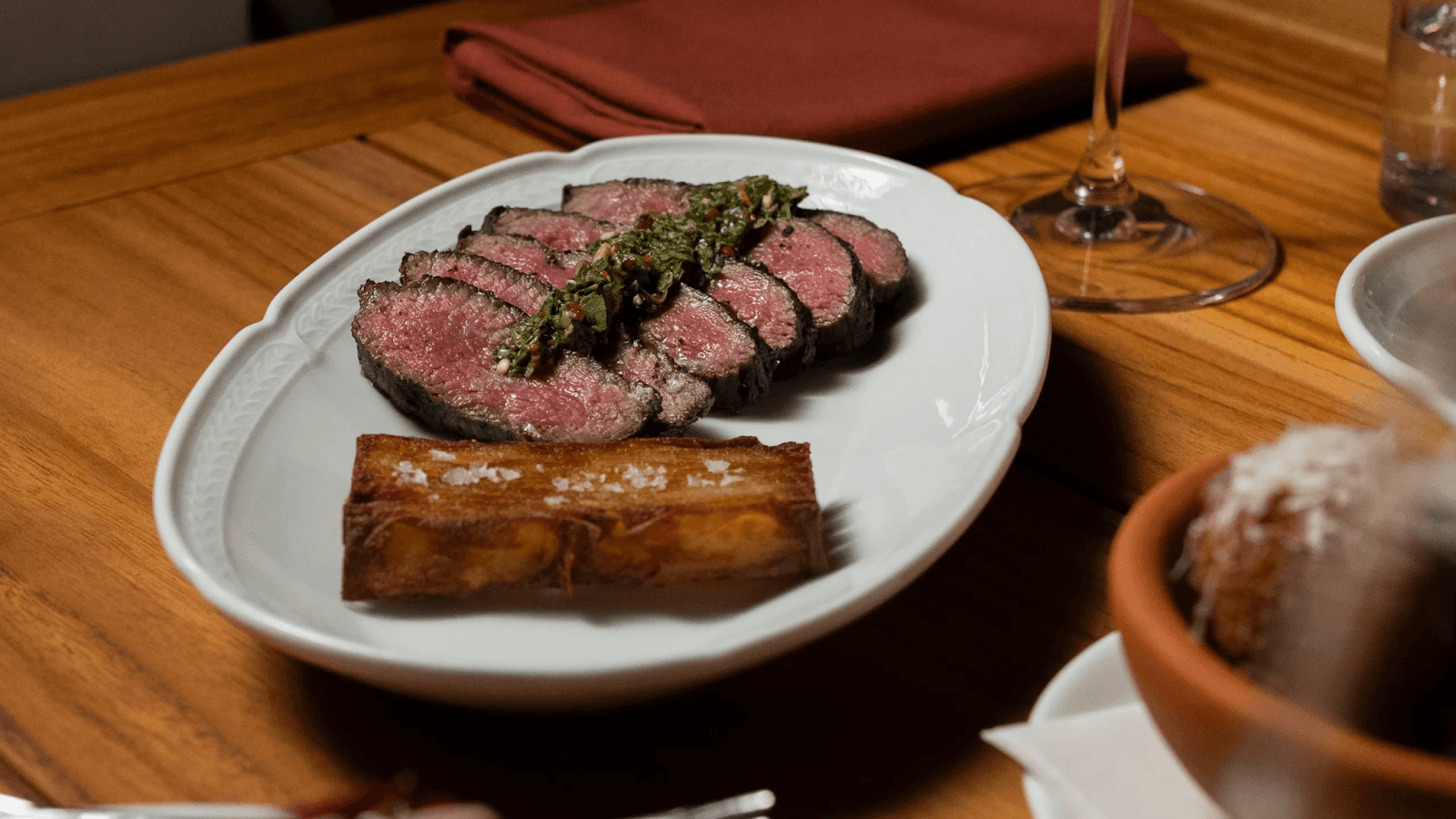
Maizajo operates as a taqueria, restaurant, and tortilleria all at once. Their ribeye taco is outrageously good for the price point, and the vegetarian papa con queso taco is the sleeper hit. This is the spot for when you want serious food without a serious production.
Azul Condesa does traditional Mexican cooking (think moles, chiles en nogada, tamales) at a level that reminds you why these dishes became iconic in the first place. Ricardo Munoz Zurita has spent decades studying regional Mexican cuisine, and it shows. Good for a longer lunch.
Centro Historico
The Centro is chaotic, loud, and magnificent. The restaurants here tend to fall into two categories: historic institutions that have been operating for generations, and newer spots that are betting on the neighborhood's revival.
Cafe de Tacuba has been open since 1912, which makes it older than most of the buildings around it. The dining room is tiled, muraled, and lit in a way that makes you feel like you've walked into a Diego Rivera painting. The food is traditional Mexican (enchiladas, mole, tamales), and it's good, but the real draw is the room itself. Wednesday through Sunday they bring in live musicians. Go for breakfast or a late lunch.
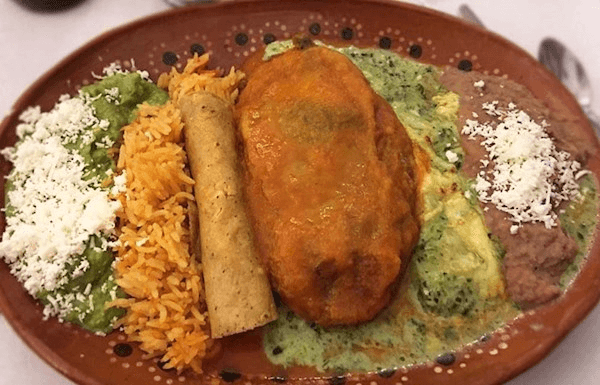
El Cardenal is the other Centro institution worth your time. Two locations (the Centro original and a newer one in the Hilton), but the original is the one that matters. They've been serving traditional Mexican breakfasts since 1969: fresh fruit, handmade tortillas, house-made hot chocolate, and chilaquiles that set the standard for the city. The pan de muerto is famous for a reason.
Juarez
Juarez is the neighborhood between Roma and the Centro that's gotten increasingly interesting over the past 5 years. It's where a lot of the new energy is landing.
Cafe Nin is one of the better brunch spots in the city. Mediterranean-meets-Mexican, great pastries, and a space that's bright without being sterile. The shakshuka and the seasonal chilaquiles both justify the occasional wait.
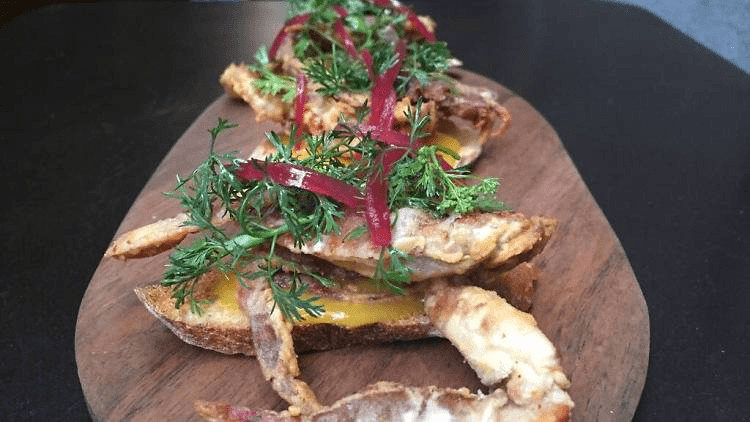
Taverna is housed in a restored 1905 hacienda and lit almost entirely by candlelight. The food is Mediterranean (Greek-leaning), but the setting is what sells it. This is a good date night restaurant in a city full of them.
The Markets
You can't write about eating in CDMX without talking about the mercados, because some of the best food in the city has never been inside a restaurant.
Mercado de la Merced is the biggest and most overwhelming. Over 3,000 vendors spread across several buildings. This isn't a tourist market. This is where the city feeds itself. The food stalls inside (fondas) serve some of the cheapest and most satisfying meals you'll find anywhere: pozole, barbacoa, fresh juices, tamales. Give yourself at least 2 hours and go hungry.
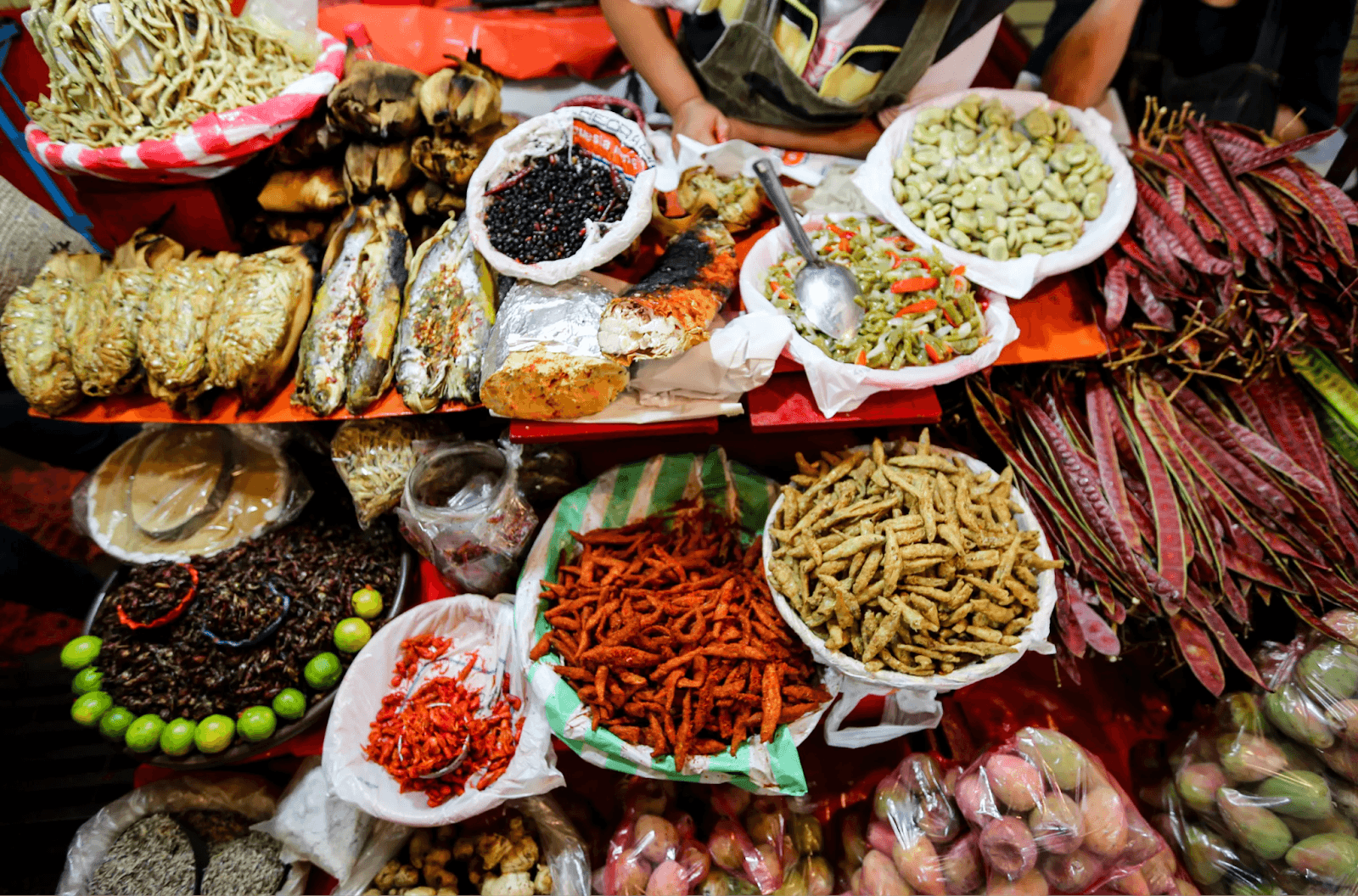
Mercado de Coyoacan is smaller and more navigable. The tostadas at Tostadas de Coyoacan are legendary (piled high with ceviche, tuna, shrimp, octopus, or whatever's fresh), and the market sits right next to the Frida Kahlo Museum, so you can combine the two.
Mercado Medellin started as a Colombian market and has evolved into one of the most diverse food markets in the city. Central and South American ingredients and dishes you won't find elsewhere in CDMX. The ceviche stalls are excellent.
Street Food (the Essentials)
Three things you need to eat on the street before you leave:
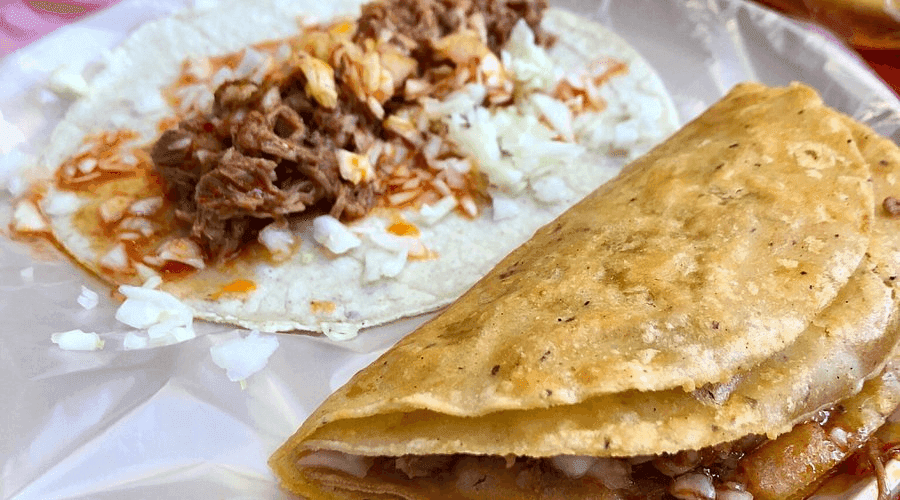
Tacos al pastor. The trompo (the vertical spit of marinated pork, stacked with pineapple on top) is everywhere, but quality varies wildly. El Vilsito in the Narvarte neighborhood is one of the most reliable spots. It operates out of a Volkswagen repair shop that converts into a taqueria at night. Marcos, the al pastor man, has been shaving meat off that trompo for 18 years.
Tlacoyos. Thick, oval-shaped corn cakes stuffed with beans, chicharron, or requesón (a soft cheese), then topped with nopales, salsa, and crumbled cheese. You'll find them outside most metro stations and at market stalls. The ones at Mercado San Gregorio Atlapulco (south of the city, not touristy at all) are handmade to order with visible char marks. Worth the trip if you're serious about corn.
Tamales and atole. The breakfast combo of CDMX. Vendors set up before dawn with enormous steaming pots. The tamal is wrapped in corn husk or banana leaf (depending on region and style), and the atole is a thick, warm, corn-based drink that tastes like liquid comfort. Any busy corner in the morning will have a vendor. Follow the line.
A Few Practical Notes
Reservations are essential for Pujol, Quintonil, Rosetta, and Maximo. For everything else, walk-ins work if you time it right (noon or after 2:30pm for lunch, 7pm for dinner).
Tipping is 15-20% at sit-down restaurants. At taquerias and market stalls, round up or leave 10%.
The best eating neighborhoods are all within about 20 minutes of each other by taxi or Uber. You can realistically hit Roma, Condesa, and Polanco in a single day without rushing.
Mexico City's altitude (2,240 meters / 7,350 feet) affects how you process alcohol. That mezcal hits different up here. Pace yourself on the first night.
And one last thing: eat where the locals eat. If a restaurant's crowd is 80% tourists, keep walking. CDMX has too many good options to settle for the obvious ones.
About Us
Alta Mexico is a curated travel resource dedicated to showcasing the very best of Mexico's food, culture, people, and places. What begins as a single visit often turns into something deeper, and this platform exists to capture that experience.
From cobblestone streets in Oaxaca to mezcal tucked away in quiet cantinas and sunsets across the Yucatán, Alta Mexico highlights the destinations, meals, and moments that define the country. Whether it’s a first visit or a return trip, the goal is simple: help travelers experience Mexico with more intention and insight.
Read More
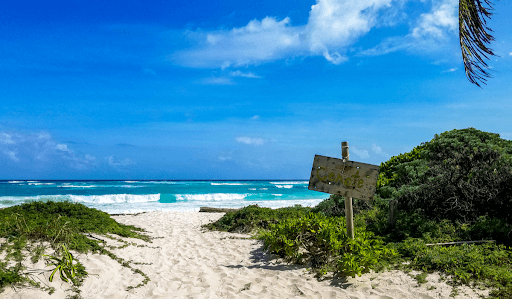
Forget the ranked lists — Mexico's best beaches depend entirely on what you're actually looking for, so we broke them down by surfing, snorkeling, families, solitude, nightlife, and the hidden gems most travelers never find.
Update on Apr 8, 2026
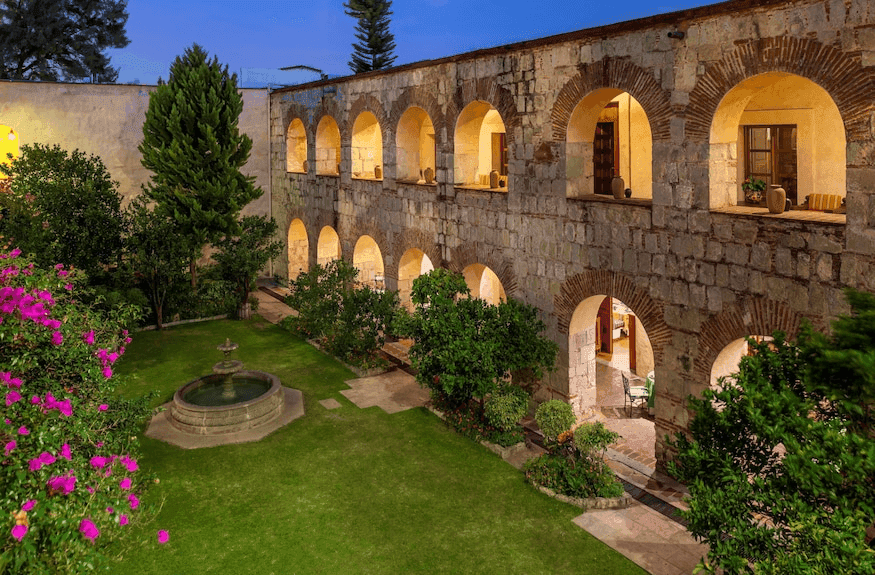
Oaxaca's boutique hotel scene is unlike anywhere else in Mexico, where 500-year-old convents, artist-run guesthouses, and socially conscious properties make the question of where to stay just as interesting as what to eat and drink.
Update on Apr 8, 2026
The best meals in Puerto Vallarta and Sayulita aren’t found in restaurants, they’re served on paper plates at street stands that have perfected the same dishes for decades. This guide breaks down exactly where to go, what to order, and how to eat like a local.
Update on Apr 9, 2026