
Mexico's Best Beaches, Ranked by What You're Actually Looking For
Forget the ranked lists — Mexico's best beaches depend entirely on what you're actually looking for, so we broke them down by surfing, snorkeling, families, solitude, nightlife, and the hidden gems most travelers never find.
·
Every "best beaches in Mexico" list ranks them 1 through 15 as if all beaches serve the same purpose. They don't. The beach you want for surfing is a terrible beach for a family with toddlers. The beach you want for solitude is a terrible beach for nightlife. And the beach that photographs best on Instagram might have a riptide that'll ruin your afternoon.
So here's a different approach: Mexico's best beaches organized by what you actually want to do when you get there.
Best Beaches for Surfing
Playa Zicatela, Puerto Escondido (Oaxaca). This is the one. The Mexican Pipeline. Zicatela produces some of the heaviest beach breaks in the world, with swells that regularly hit 15 to 20 feet and can reach 30+ during peak season (May through September). International competitions run here annually, and the wave has a reputation for punishing overconfidence. This is not a beginner spot. The undertow is serious, and the shorebreak lands on hard sand. If you surf at this level, Zicatela is a pilgrimage. If you don't, watch from the beach bars and enjoy the show.
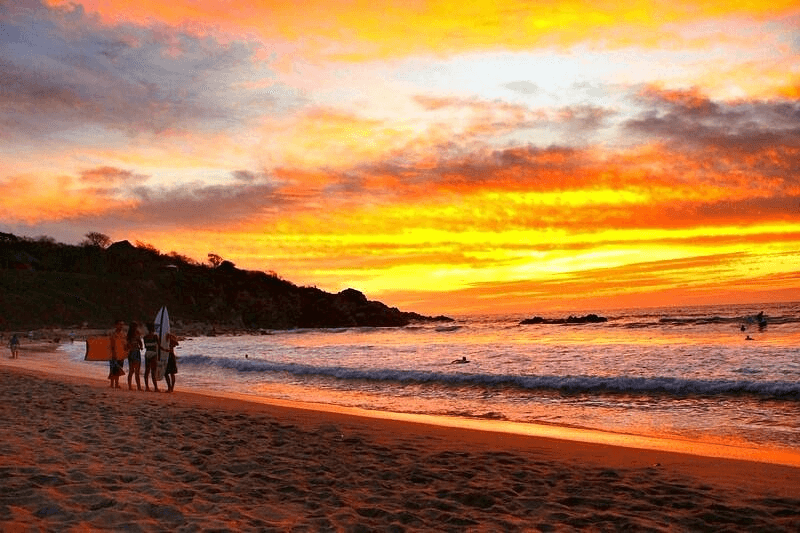
Sayulita (Nayarit). The opposite end of the spectrum from Zicatela. Sayulita's main beach break is forgiving, warm, and ideal for beginners and intermediates. The waves are small to medium, the bottom is sandy, and there are surf schools every 50 meters along the beach. The town behind the break has become one of Mexico's trendiest destinations, which means crowds in peak season, but the wave itself stays fun. Go early morning before the wind picks up.
Playa Carrizalillo, Puerto Escondido (Oaxaca). If Zicatela is too intense and you still want to surf in Puerto Escondido, Carrizalillo is the answer. It's a sheltered cove reached by 167 stairs cut into the cliff, with jade-colored water and rolling waves that work beautifully for beginners. The beach is small, the setting is postcard-perfect, and the vibe is mellow.
Playa La Lancha, Punta Mita (Nayarit). A left-hand point break that works best in winter swells (December through March). Less consistent than Sayulita but less crowded, and the wave is better when it's on. Access is through a dirt road, so it filters out the casual visitors.
San Blas (Nayarit). One of the longest left-hand waves in the world when conditions align. The wave at Matanchen Bay can run for over a kilometer. It doesn't happen every day (it needs a specific south swell and tide), but when it does, it's one of the most unique surfing experiences in the Americas.
Best Beaches for Snorkeling
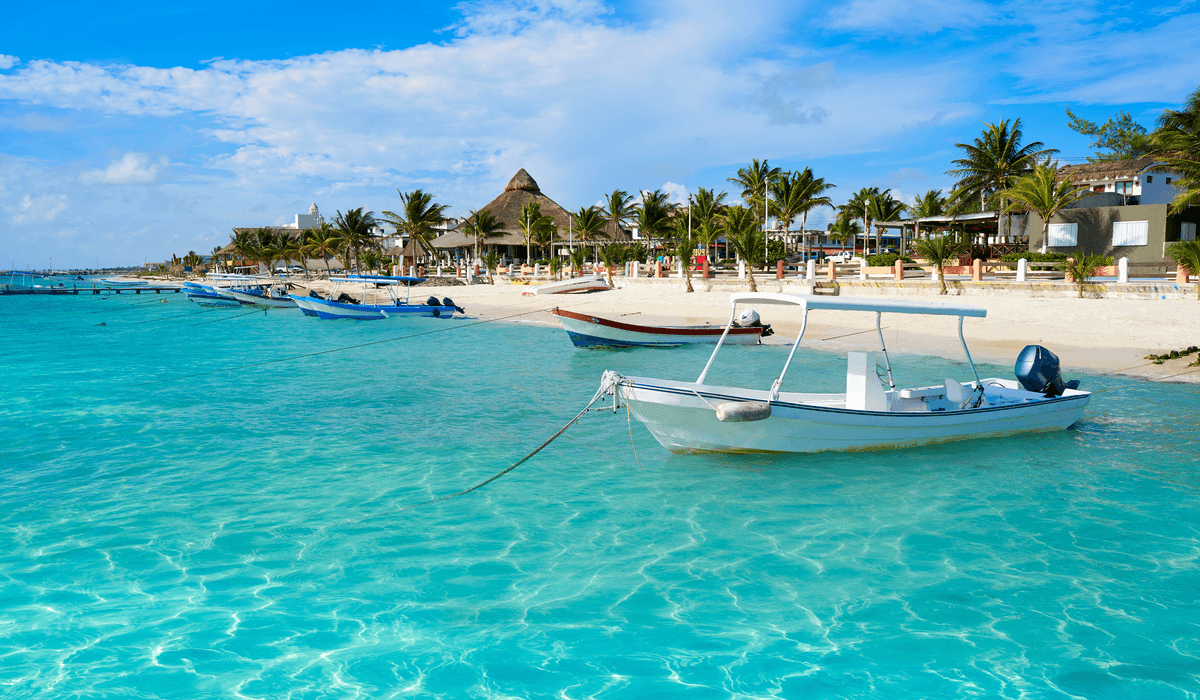
Puerto Morelos (Quintana Roo). 20 minutes south of Cancun and a world away in terms of atmosphere. The reef offshore is part of the Mesoamerican Barrier Reef (the second largest in the world), and this stretch is widely considered the healthiest section. A national marine park protects it, and boat-based snorkel tours run daily. The visibility is excellent, and you'll see parrotfish, sea fans, barracuda, and brain coral without needing scuba certification.
Akumal (Quintana Roo). Famous for sea turtles. The bay at Akumal is shallow, calm, and home to a resident population of green sea turtles that graze on the seagrass beds. You can snorkel right off the beach and encounter turtles within 50 meters of shore. Regulations now limit the number of people in the water at any time (a good thing; it was getting overcrowded), so go through a licensed guide.
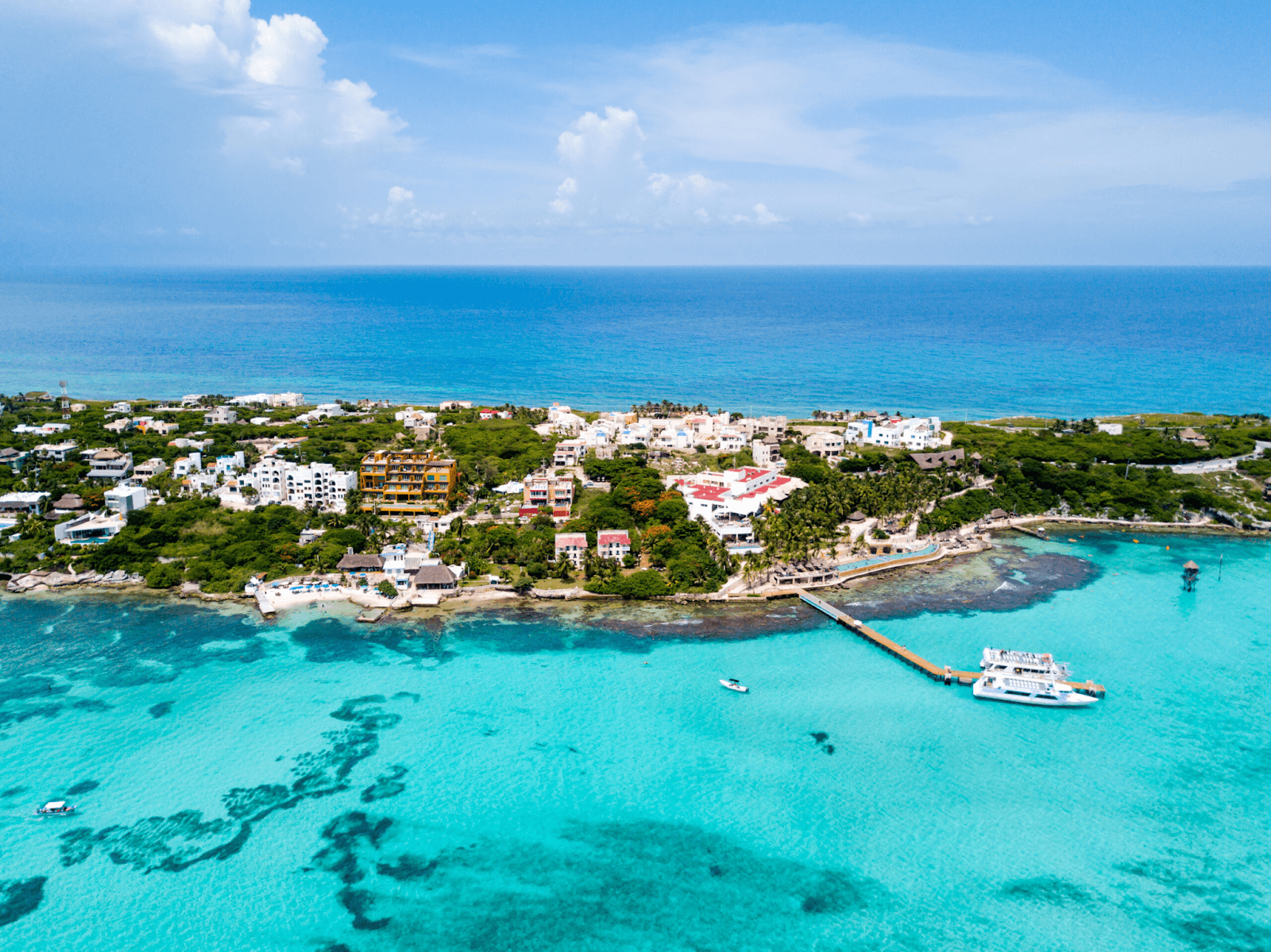
Isla Mujeres (Quintana Roo). The south end of the island (Garrafon) has good reef snorkeling, but the real draw is the seasonal whale shark aggregation (June through September). Hundreds of whale sharks gather in the waters between Isla Mujeres and Isla Holbox to feed on plankton, and licensed tours take snorkelers out to swim alongside them. They're filter feeders, not predators. The scale of them is disorienting.
La Paz (Baja California Sur). The Sea of Cortez side of Baja is what Jacques Cousteau called "the world's aquarium." From La Paz, you can snorkel with sea lion colonies at Isla Espiritu Santo (a UNESCO site), encounter whale sharks in the bay from October through March, and swim over reef systems that are vibrant and largely untouched. The water is cooler than the Caribbean, but the marine life is denser.
Playa La Entrega, Huatulco (Oaxaca). A small protected bay on the Oaxaca coast with calm, clear water and reef right off the beach. Huatulco in general is underrated: the national park protects 9 bays along the coast, most of them accessible only by boat, and the snorkeling across all of them is excellent. La Entrega is the most accessible.
Best Beaches for Families
Playa Norte, Isla Mujeres (Quintana Roo). Consistently ranked among the best beaches in Mexico, period. The water is shallow for a long way out, the current is gentle, the sand is white and fine, and the beach faces west so you get sunsets over the water. Isla Mujeres is a 20-minute ferry from Cancun, which means you can stay on the island (calmer, cheaper, more charming) and day-trip to Cancun's attractions if needed. For families with young kids, it's hard to beat.
Playa del Carmen's north beaches (Quintana Roo). The stretch north of 5th Avenue is calmer and less party-oriented than the central strip. The water is warm, the seaweed situation varies by season (check recent reports), and the town has enough restaurants, shops, and activities to keep everyone entertained between beach sessions. Easy access to Xcaret and Xel-Ha parks.
Bahia de Banderas, Puerto Vallarta (Jalisco). The bay is enormous, and the south side (around the Malecon and the Romantic Zone) has calm water suitable for kids. The Malecon boardwalk has playgrounds, street performers, and ice cream vendors, which matters when you're traveling with children who have a 90-minute beach attention span. Whale watching runs from December through March, and the boat tours are gentle enough for families.
Loreto (Baja California Sur). If you want a family beach trip without the resort-town intensity, Loreto is the play. Small town, calm Sea of Cortez water, kayaking to offshore islands, and almost no nightlife scene. It's boring in the best possible way if you have kids under 10 and want to decompress.
Best Beaches for Solitude
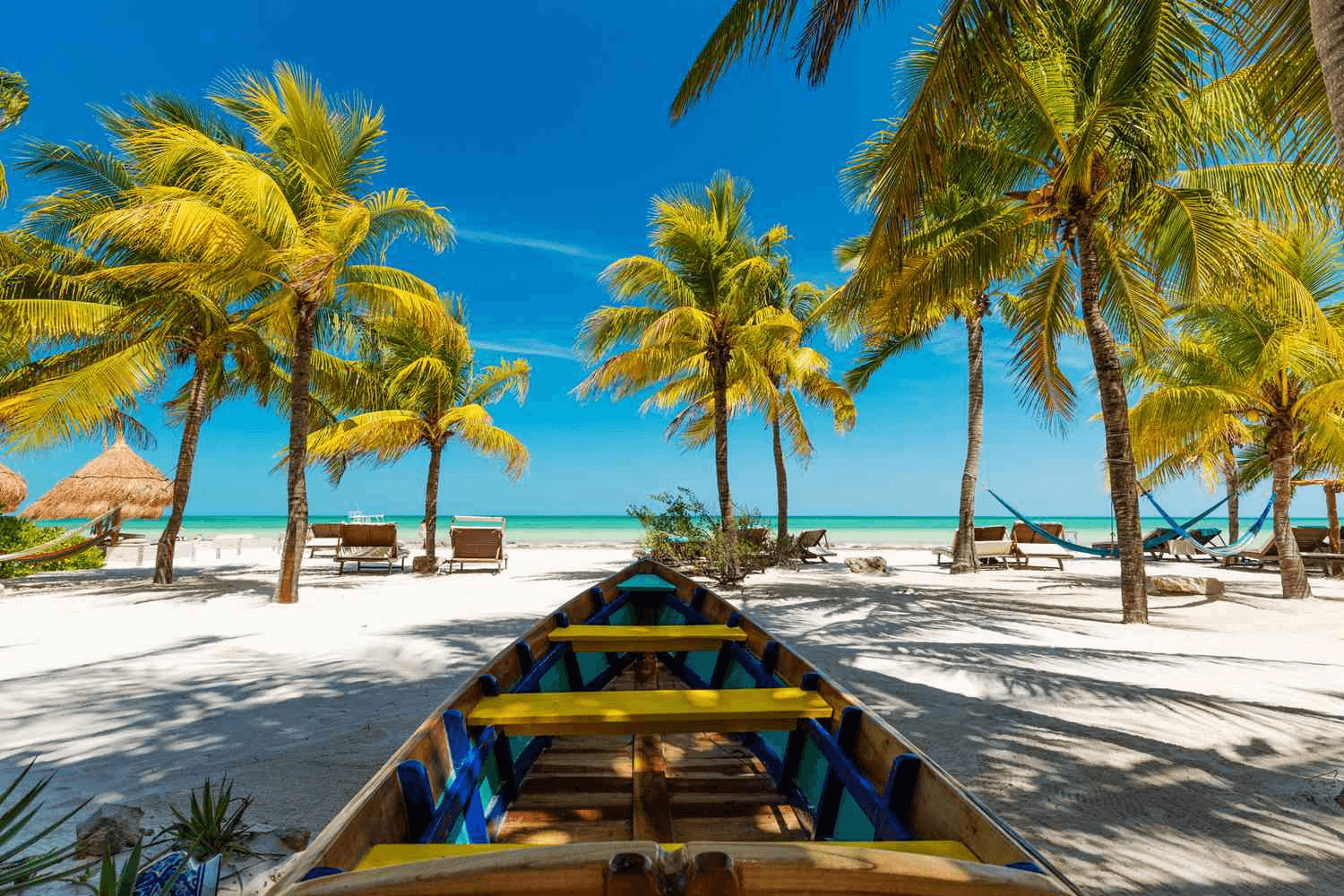
Isla Holbox (Quintana Roo). No cars. No paved roads. No high-rises. Holbox is a car-free island off the north coast of the Yucatan that feels like what Tulum must have been 25 years ago. The beaches are wide, the water is shallow and turquoise, and the permanent population is around 2,000 people. Getting there requires a bus to Chiquila and then a ferry, which filters out anyone who isn't committed. The town has restaurants and hotels, but the north-facing beaches are often empty.
Chemuyil (Quintana Roo). A protected bay between Akumal and Tulum that almost nobody visits. Crystal-clear water, a single local restaurant, no vendors, no lounger rentals, no DJ. The beach is backed by jungle, and the reef in front keeps the water calm. If you're staying in the Riviera Maya and want one afternoon of genuine peace, this is it.
Mazunte (Oaxaca). South of Puerto Escondido on the Oaxacan coast, Mazunte is a former sea turtle hunting village that reinvented itself around conservation and low-key tourism. The beach (Playa Mermejita) is wild, backed by cliffs, and often deserted. Punta Cometa, the southernmost point in Oaxaca, is a 20-minute walk from town and has some of the best sunset views in Mexico. No chain hotels. No all-inclusives. Hammock-and-palapa energy.
Sisal (Yucatan). A pueblo magico on the northern Yucatan coast that most travelers have never heard of. Former port town with a colonial-era fort, flamingos in the estuary, and a beachfront that stretches for miles with almost nobody on it. Calm, warm water. A handful of restaurants. Complete quiet. 45 minutes from Merida.
Balandra (Baja California Sur). Just north of La Paz, Balandra is a protected bay with shallow turquoise water, mushroom-shaped rock formations, and mangrove-lined shores. It's been named Mexico's most beautiful beach multiple times, and it's a national protected area, so there are no hotels, no vendors, and no permanent structures. You bring everything in and take everything out. Access is limited to a set number of visitors per day.
Best Beaches for Nightlife
Cancun's Hotel Zone (Quintana Roo). This is the obvious answer, and it's obvious because it's true. The beach strip along the Hotel Zone (Playa Forum, Playa Gaviota Azul) sits adjacent to the nightclub district (Coco Bongo, The City, Mandala). The beach itself is wide, the water is Caribbean blue, and the spring break infrastructure is fully developed. If you want to go from beach to pool party to club without breaking stride, this is the place.
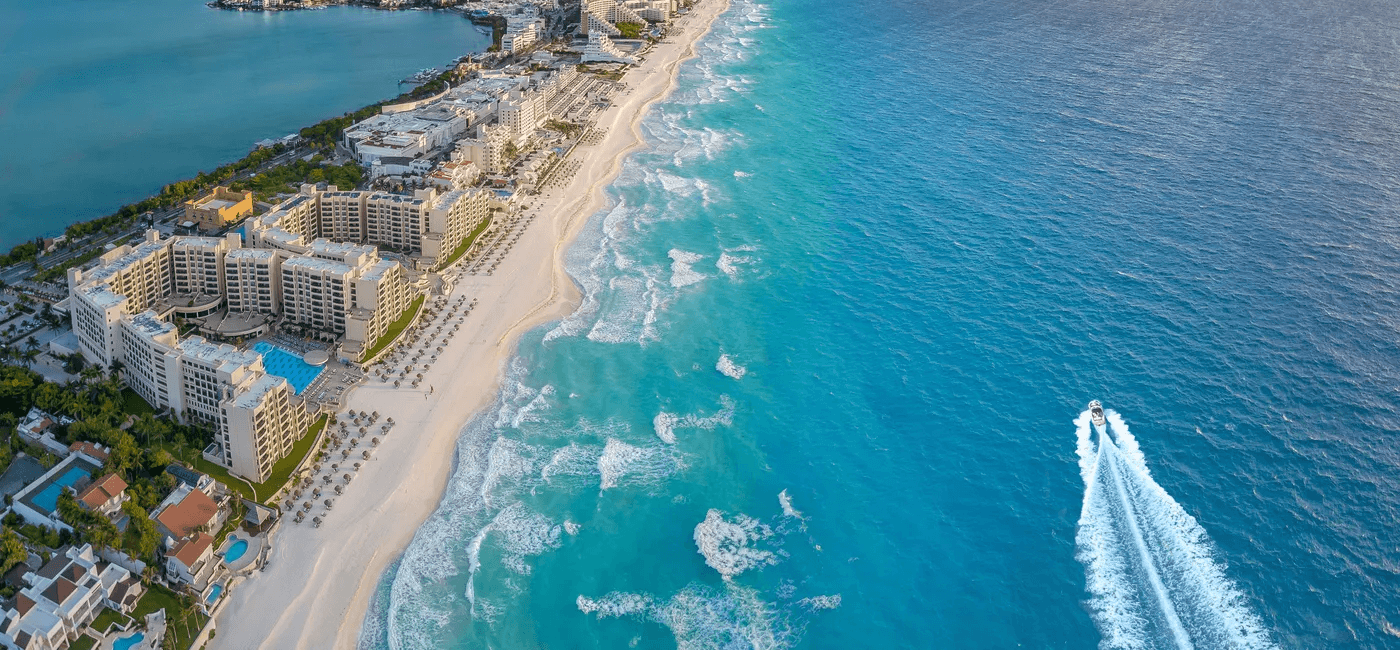
Playa del Carmen (Quintana Roo). A step down in intensity from Cancun but still very much a going-out town. The beach clubs along the coast (Mamita's, Coralina Daylight Club) run all-day party programming with DJs, bottle service, and pool access. 5th Avenue behind the beach is lined with bars and restaurants that stay open late. Less frat-party than Cancun, more international crowd.
Sayulita (Nayarit). Sayulita's nightlife is smaller and scrappier than the Riviera Maya scene. The bars are on the beach or one block back, the music leans reggae and cumbia, and the crowd is surfers, expats, and backpackers. Don Pedro's on the beach is the center of gravity. It's not a club scene; it's a "find yourself dancing at midnight with sand in your shoes" scene.
Best Beach You've Probably Never Heard Of
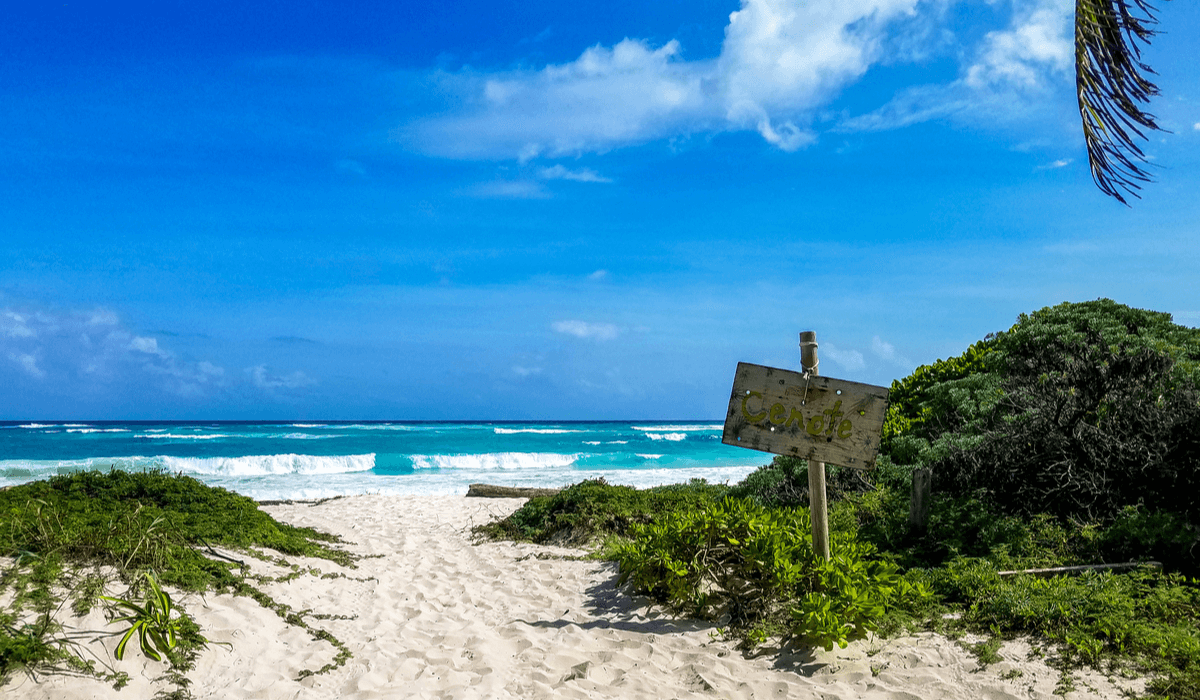
Playa Xcacel (Quintana Roo). Between Akumal and Tulum, down a turnoff that's easy to miss. It's a nesting beach for loggerhead and green sea turtles, which means it's protected and undeveloped. No palapas. No vendors. No music. Just a wide stretch of white sand, clear water, and a cenote tucked into the jungle a 5-minute walk from the beach. During nesting season (May through October), you might see turtles coming ashore at night. During the rest of the year, you'll have one of the prettiest beaches on the Riviera Maya largely to yourself.
About Us
Alta Mexico is a curated travel resource dedicated to showcasing the very best of Mexico's food, culture, people, and places. What begins as a single visit often turns into something deeper, and this platform exists to capture that experience.
From cobblestone streets in Oaxaca to mezcal tucked away in quiet cantinas and sunsets across the Yucatán, Alta Mexico highlights the destinations, meals, and moments that define the country. Whether it’s a first visit or a return trip, the goal is simple: help travelers experience Mexico with more intention and insight.
Read More

From world-class fine dining in Polanco to bustling market stalls and late-night taco stands, this is your neighborhood-by-neighborhood guide to eating your way through one of the greatest food cities on earth.
Update on Apr 8, 2026
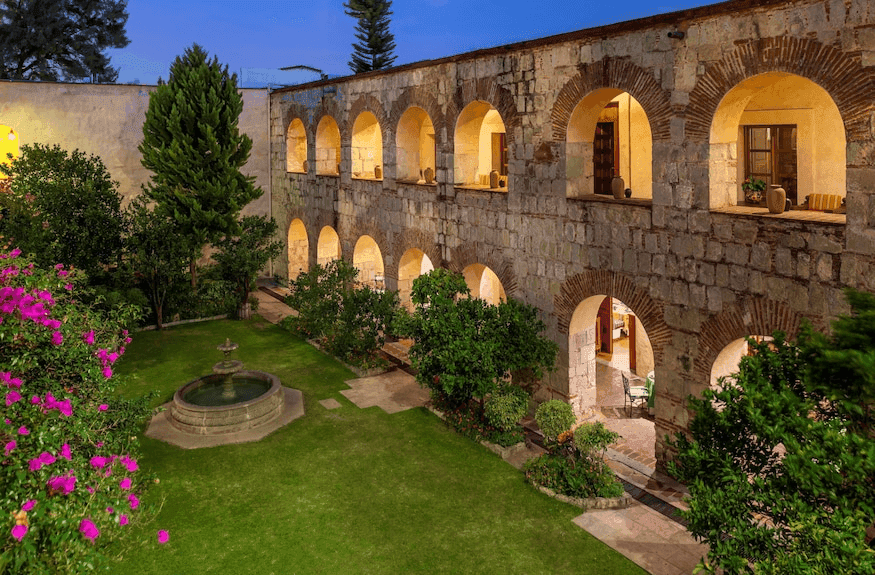
Oaxaca's boutique hotel scene is unlike anywhere else in Mexico, where 500-year-old convents, artist-run guesthouses, and socially conscious properties make the question of where to stay just as interesting as what to eat and drink.
Update on Apr 8, 2026

The best meals in Puerto Vallarta and Sayulita aren’t found in restaurants, they’re served on paper plates at street stands that have perfected the same dishes for decades. This guide breaks down exactly where to go, what to order, and how to eat like a local.
Update on Apr 9, 2026