The 7 Best Wellness Retreats in Mexico 2026 — Ranked, Expert Picks
A ranked, region-spanning guide to Mexico's seven best wellness retreats in 2026, sorted by what's real versus what's marketing.
Isabela Ruiz
·
Imagine the rhythm of a perfect retreat day. Pre-dawn yoga as the Pacific turns from indigo to copper. A temazcal at midday — copal smoke, the low chant of the temazcalero (the ceremonial shaman), the body wrung out and remade. A slow lunch of plant-forward dishes from the farm next door, then an afternoon dissolved into nothing: a plunge pool the temperature of held breath, a hammock under the canopy, birdsong layered over distant surf. At dusk, dinner cooked over open flame beneath strung lights, the warmth of the coals matched by a second mezcal. Linen sheets. A door left open to the wind.
This is the Mexico that wellness travel sells you. At the country's best properties (the ones drawing on Mesoamerican healing traditions, regional kitchens, and the geographies that made wellness travel possible in the first place), it is also the Mexico that actually arrives every day, without you planning a thing.
But that version is rare. Almost every resort from Cabo to Cancún now offers a "wellness experience": a spa menu, a sunrise class, a smoothie bar, a single included treatment. Most of it is theater. The four things that separate a real wellness retreat from a spa hotel are programming depth, food philosophy, setting, and what's actually included versus what's nickel-and-dimed à la carte. Once you start filtering by those four, the list shrinks fast.
What follows is the seven properties in Mexico that earn the kind of day described above. Ranked across the country rather than grouped by region, because the difference between a 15-tent Pacific bungalow camp and an 86-year-old Baja boot camp matters more than which coast you fly into. Every entry gets the same labeled treatment, with the honest cons spelled out on every pick, including #1. The good ones are rarer than the marketing implies. This is the shortlist that survives the filter.
The 7 best wellness retreats in Mexico 2026: at a glance
Rank | Retreat | Region | Best for | Nightly range (2 people) |
|---|---|---|---|---|
1 | Naviva, A Four Seasons Resort | Punta Mita | Best Overall: adults-only tented bungalows, House of Heat temazcal, daily wellness journeys, all-inclusive | $2,600–$4,500+ |
2 | Chablé Yucatán | Chocholá, Yucatán | Cenote-anchored Mayan healing tradition | $700–$1,500+ |
3 | Palmaïa, The House of AïA | Playa del Carmen | Plant-based dining + daily included programming, all-inclusive | $400–$1,600 |
4 | Chablé Maroma | Riviera Maya | Beach + serious adults-only spa | $1,300–$1,750+ |
5 | Amansala | Tulum | Structured Bikini Bootcamp program (6-day cohorts) | ~$1,100+ /night equivalent |
6 | Our Habitas Bacalar | Bacalar | Off-grid lakeside, design-driven | $250–$400+ |
7 | Rancho La Puerta | Tecate, Baja California | The full-week commitment; wellness purists | $5,950+/week per person |
What makes a great wellness retreat?
The marketing language across this category is nearly identical. The actual experiences are not. Six factors do the real sorting:
Factor | Why it matters |
|---|---|
Programming depth | The amount of structured wellness programming included in the nightly rate: temazcal ceremonies, breathwork, movement, sound work, guided cenote swims, plant-medicine workshops. Stronger retreats schedule daily sessions; lighter ones offer treatments à la carte from a spa menu. |
Food philosophy | Whether the kitchen is part of the wellness program (a named Mexican chef, a regional sourcing story, a defined dietary point of view) or a conventional resort restaurant operating alongside it. |
Setting & sensory environment | How much the Mexican setting contributes to the experience. A sacred Yucatán cenote, a restored 19th-century hacienda, a Pacific ridge in Wixárika country, or a freshwater lagoon with a Mayan and colonial history shapes a retreat in ways a generic resort site cannot. |
Practitioner caliber | The credentials and tenure of the people delivering the program: named chefs, Mayan h'menob and curanderos, traditional temazcaleros, and certified yoga and movement instructors, versus anonymous spa staff rotating through a corporate program. |
What's actually included | The share of programming, treatments, and meals bundled into the nightly rate versus billed à la carte. The gap between rack rate and final bill can be substantial in this category. |
Social density | Room count and group sizes shape the rhythm of a stay. A 15-suite tented camp and a 234-suite resort produce different patterns of solitude, dining, and practitioner access. Neither is inherently better; they suit different travelers. |
1. Naviva, A Four Seasons Resort: Best Overall (tented bungalows, House of Heat, programmed wellness journeys)
Why it wins: Naviva is the only property on this list that combines true Pacific luxury, named local practitioners, and the all-inclusive structure that makes real retreating possible. Just 15 adults-only tented bungalows on a 48-acre Punta Mita ridge in Riviera Nayarit, ancestral Wixárika country, each oriented for privacy with glimpses of the ocean through the canopy. Wellness journeys are curated to a pre-arrival intake, which means your itinerary is built before you land. The House of Heat temazcal carries a Mesoamerican lineage over two thousand years deep, led at Naviva by traditional healers rather than branded spa staff. Copal Cocina takes its name from the tree resin burned in Mesoamerican ceremony since before the Aztec, and cooks every dish over open flame under a canopy of strung lights.
The cumulative effect is that you stop deciding things. There's no menu to scan, no spa booking app to manage, no upcharge to debate. The all-inclusive structure is the wellness intervention. That's hard to replicate in this category. Most "wellness luxury" resorts in Mexico still hand you a spa menu and a calculator.
Room types: Three tent categories, all one-bedroom, all with private plunge pools and outdoor showers. Larger tents add more living space and view orientation.
Honest cons: The intimacy is the experience and also the limit — 15 keys means the same dozen guests at every meal, which some travelers will love and others will find too close-quartered. Adults-only excludes anyone traveling multigenerationally. The PVR airport transfer runs 45+ minutes through traffic, and Punta Mita is at its softest October through May; May through September brings humidity and the possibility of late-season Pacific storms.
Cost: All-inclusive of food, daily practices, one 60-minute spa treatment, and most signature experiences. Nightly rates run $2,600 to $4,500+ for two people, with summer rates at the low end and winter peak at the top. Book direct with Four Seasons; the included experiences arrive cleaner than they do through OTAs.
Bottom line: Worth the price tag if you want a wellness retreat that thinks for you; skip if you want flexibility, are traveling with kids, or prefer a larger property where you can disappear in the crowd.
2. Chablé Yucatán: Best for Mayan healing tradition
Why it wins: Built around a restored 19th-century hacienda from Yucatán's henequen-export boom (the "green gold" era that briefly made the peninsula one of Mexico's wealthiest regions), Chablé Yucatán sits on 750 acres of jungle and has the most defensible "setting does the work" claim on this list. Its spa is one of the only spas in the world built around a sacred cenote; to the Maya, cenotes were entrances to Xibalba, the underworld, and the property's cave still holds that gravity. Twelve modern treatment rooms thread through it. Mayan healers are on staff. The signature restaurant, Ixi'im, is overseen by Jorge Vallejo of Mexico City's Quintonil (consistently ranked among the World's 50 Best Restaurants). A second restaurant, Ki'ol (Mayan for "healthy"), handles lighter daytime meals.
What makes this property cohere is that the food, the spa, and the practitioner tradition all draw on the same regional source material. The hacienda isn't a backdrop. It's the curriculum.
Room types: 41 private casitas, each roughly 2,150 sq ft with a private outdoor plunge pool and outdoor shower. Above the casita tier sit three larger villa categories, including the standalone Royal Villa, an 11,000 sq ft three-bedroom private home with its own pool, jacuzzi, indoor and outdoor dining, media room, and gym.
Honest cons: Inland Yucatán is hot. Humid from May through October, brutal in August. The property is not beach-adjacent; Mérida is 25 miles / about 25 minutes away, and the Caribbean coast is a 4-hour drive. The spa program is à la carte, which means building it out with the concierge before arrival rather than walking up to a single included menu. The casita layout means longer walks between buildings in midday heat, which not every guest finds charming.
Cost: Room-only rates run $700 to $1,500+/night for casitas; villa categories scale up from there. Spa, treatments, and dining beyond what's included sit à la carte, which means the program at Chablé is the one you build with the concierge before arrival. Booking direct unlocks packages with spa and dining credits.
Bottom line: The most regionally-rooted wellness experience in Mexico. Pick this if the Mayan healing tradition is the reason you're going.
3. Palmaïa, The House of AïA: Best for plant-based dining and daily programming
Why it wins: Palmaïa is the only resort on this list that runs a predominantly plant-based food program across all five of its on-site restaurants (non-vegan options are available on request, which is honest of them to admit). Daily wellness programming, including sound baths, breathwork, shamanic ceremonies, and movement classes, is included in the rate. So is the food, the alcohol, and most of the experiences. For a traveler who wants the structure of an all-inclusive without the buffet-and-swim-up-bar version of one, this is the most direct fit.
The programming is what carries the property. You don't have to plan a single thing to fill your day here.
Room types: 234 suite-style rooms, all roughly the same shape: generous balconies, ocean orientation, similar finishes regardless of category.
Honest cons: The spiritual register is high. Aztec-inspired ceremonies, references to "consciousness travel," shaman-led activities. Skeptics will find it eye-rolling. With 234 keys, the property is large enough to lose retreat intimacy; you're not going to recognize everyone at dinner. The Playa del Carmen location is convenient (35 minutes from CUN) but not as serene as a remote Tulum or Pacific option. And the food, while ambitious, is not on the level of Chablé Yucatán's Ixi'im. This is high-quality plant-based hotel dining, not destination cuisine.
Cost: All-inclusive of food, alcohol, and daily programming. Rates run $400 to $1,600/night depending on season and suite category, with the softest months October and March. Book direct on the Palmaïa site for the better experience credits.
Bottom line: The most accessibly priced full-program wellness resort in Mexico. Pick this if plant-based dining and a packed daily schedule are non-negotiable.
4. Chablé Maroma: Best beach + serious spa
Why it wins: Chablé Maroma brings the Chablé spa DNA to the Riviera Maya beach. The 17,000-square-foot adults-only spa is built around a hydrotherapy circuit of small jacuzzis and cold plunge pools designed to echo the cenotes inland. Treatments draw on Mayan ritual. The property sits on the Maroma stretch, frequently cited as among the best beaches on the Yucatán coast, about 12 miles north of Playa del Carmen.
This is the pick when you want the spa rigor of the Chablé brand but you also want to spend afternoons on a swimmable Caribbean beach. The sister property in the Yucatán has the better story; this one has the better water.
Room types: 70 villas total. Entry-level Treetop Villas start the range; Serenity Pool Villas, Jungle Pool Villas, and beachfront categories scale up. Every villa has a private pool. The standalone Grand Presidential Villa sits at the top.
Honest cons: The Riviera Maya beach means seasonal sargassum, the brown seaweed that washes ashore intermittently from April through October. Some years are bad. 2026 has been forecast as potentially the worst sargassum year on record by the University of South Florida's tracking lab. The Maroma stretch is crowded with luxury competition (Belmond Maroma, Rosewood Mayakoba, Banyan Tree, UNICO), which means the daytime beach scene is busier than at Naviva or Bacalar. Wellness programming is lighter than at its Yucatán sister: you have the spa, but not the same depth of daily curriculum. At 70 villas, this is a meaningfully larger property than its branding implies.
Cost: Villa rates run $1,300 to $1,750+/night room-only. Treetop villas sit at the low end, Serenity Pool and Jungle Pool categories in the middle, the standalone Grand Presidential at the top. Rates exclude taxes and the resort fee, which together add roughly 36%. Spa is à la carte; direct-booking packages typically bundle a treatment.
Bottom line: The best Riviera Maya beach + serious spa combination on the market; not the pick if you want a true retreat program.
5. Amansala: Best structured Bikini Bootcamp program
Why it wins: Amansala has been running its Bikini Bootcamp program in Tulum since 2001. Founder Melissa Perlman launched it years before "wellness retreat" was marketing vocabulary. The program is the appeal: a 6-day structured cohort of beach workouts, yoga, plant-leaning meals, group sessions, and bodywork, on scheduled retreat dates with fixed arrival and departure days. Custom programs can be built for travelers who can't make the scheduled cohorts, but the cohort experience is what made the property's reputation.
The property itself is beachfront Tulum — named for the 13th-century Mayan walled city the builders called Zama, "place of the dawn," because it faced the sunrise over the Caribbean. It was the only Mayan settlement ever built on the coast, and the ruins still stand a few miles up the beach. The property is modest in scale and intentionally unfussy. The food leans plant-based. You're here for the program, not the room.
Room types: Cabaña-style rooms in beachfront and garden categories. Configurations are simple; the experience is shared.
Honest cons: The scheduled Bikini Bootcamp dates are the heart of the offering, and if you go outside of them, the energy drops noticeably. Tulum's beach road has serious infrastructure problems: electricity and water are inconsistent, the road floods in the rainy season, and traffic between the town and the beach zone has gotten worse year over year. The aesthetic is dated relative to newer Tulum properties; guests expecting a designer hotel will be disappointed. And the program is genuinely intensive. This is not a relaxation retreat.
Cost: The 6-day Bikini Bootcamp package is all-inclusive: accommodation, meals, daily fitness, two one-hour bodywork treatments, the group Mayan Clay Ritual, most classes. Pricing varies by season; contact Amansala directly for current package rates. Standard nightly resort rates outside the program run around $1,100+/night.
Bottom line: The most program-driven beach retreat in Tulum, and the most disappointing pick if you came for a quiet hotel.
6. Our Habitas Bacalar: Best off-grid lakeside
Why it wins: Habitas Bacalar sits directly on the Lagoon of Seven Colors, a freshwater lake with stratified shades of blue you don't see on the Caribbean coast. The Maya called this lagoon Sian Ka'an Bakhalal, "where the sky is born"; the colonial town of Bacalar on its banks dates to 1544, and the 18th-century Fort San Felipe still guards the lakefront, built to defend against pirate raids on the sisal trade. 34 A-frame tented rooms face the water. Daily complimentary programming runs across the Habitas brand pillars (wellness, art, music, food): yoga and meditation in the mornings, communal dinners at night. The price ceiling is dramatically lower than every Caribbean-coast pick on this list.
The differentiator here is the lake itself. Bacalar gives you the sensory environment of a tropical retreat without the algal sargassum that's plagued the Caribbean side for a decade.
Room types: 34 A-frame tented rooms total. Jungle-tucked categories and lagoon-facing categories; the lagoon A-frames are the headline product. All adults-only (16+).
Honest cons: Bacalar is genuinely remote: a 4.5-hour drive from Cancún airport (about 333 km), or a connecting flight to Chetumal (a 25-minute drive away, with hotel transfers from about $65). Wellness programming is lighter than at the Chablé properties or Palmaïa; this is retreat-adjacent more than retreat-structured. Some of the more interesting experiences (temazcal, sailing, sunrise SUP) are at additional cost. And the lagoon itself is under genuine ecological pressure from regional development; guests who research this beforehand will arrive with mixed feelings.
Cost: Rates run $250 to $400+/night with breakfast and WiFi included. Daily group programming is part of the stay; experiences like temazcal, sailing, and sunrise SUP are bookable à la carte.
Bottom line: The best off-grid lakeside escape in Mexico, with the lightest wellness curriculum on this list. Pick it for the setting and the price, not the program.
7. Rancho La Puerta: Best for the full-week commitment / wellness purists
Why it wins: Rancho La Puerta is the original. Founded in 1940 by Edmond Szekely, a Romanian Jewish philosophy professor with an expiring US visa, and his American wife Deborah — the pair crossed the southern border to avoid returning to wartime Eastern Europe and settled in a rented shed at the base of Mount Kuchumaa in Tecate, Baja California, on land sacred to the Kumeyaay people. It is, more or less, the property that invented destination wellness as a category in North America. The program is what every other resort on this list is attempting a version of: 100 to 125 guests arrive every Saturday for a fixed seven-night stay, follow a daily schedule of hikes, fitness classes, yoga, lectures, and named-practitioner sessions, and eat from an organic farm-fed kitchen. La Cocina Que Canta, the on-site cooking school, hosts visiting chefs from around the world.
This isn't a hotel with a wellness program. It's a wellness program with a place to sleep. That distinction is the whole point, and the whole catch.
Room types: Casita-style accommodations spread across 3,000 private acres of gardens, mountains, and meadows. Categories range from Ranchera (entry-level solo) to villa studios; rooms are intentionally modest.
Honest cons: The week-long commitment isn't a feature, it's a filter. There is no three-night option, no flexibility on arrival days, no à la carte version. Rooms are deliberately unfussy; guests expecting Naviva-level luxury finishes will be disappointed (that's not what they're selling). The Tecate location, while genuinely Mexican, doesn't fit the "Mexico vacation" picture most readers carry; most guests fly into San Diego and drive about 45 miles south (roughly 90 minutes) across the border. The Ranch runs scheduled ground transport from SAN every Saturday, included. And the program intensity surprises people. This is a fitness-forward retreat, not a spa-forward one.
Cost: From $5,950/week per person for a regular-season Ranchera Solo, Sat–Sat, all-inclusive of accommodation, meals, fitness, guided hikes, workshops, evening programs, and San Diego airport transfers. Larger rooms and signature weeks with marquee guest faculty scale up from there.
Bottom line: The most rigorous wellness program on this list, and the least like a vacation. Right pick if you want the program; wrong pick if you want a hotel.
How to plan a wellness retreat in Mexico
There is a meaningful difference between a wellness trip in Mexico that lands and one that doesn't, and most of it sits in the planning. Four practical rules.
Book 4–6 months ahead for December through April. Mexico's dry, sargassum-quiet, comfortable-weather window is also when the small properties move fastest. Naviva's 15 keys and Habitas Bacalar's 34 tents sell out months in advance for January and February in particular. The same week booked 30 days out either won't be available or will land in a less desirable room category.
Ask what's included before you commit. The single biggest variable in how a wellness retreat actually unfolds is whether the program is bundled into the rate. The all-inclusive properties on this list (Naviva, Palmaïa, Amansala, Rancho La Puerta) hand you a daily program built into the stay, and the decision-making disappears. The à la carte properties (both Chablé properties, Habitas Bacalar) leave the program for you and the concierge to design, which means a trip arranged ahead of time and a different one arranged on arrival. The phrase to use with reservations: "Walk me through what a typical day looks like, including programming, spa, and dining beyond what's bundled into the rate."
Book direct with the property. OTAs (Expedia, Booking, Hotels.com) tend to strip out the experience extras that small wellness properties build into their direct rates: welcome treatments, programming credits, airport transfers, the small concierge touches that make a stay feel attended to. Book through Four Seasons, Chablé, Palmaïa, Our Habitas, Amansala, and Rancho La Puerta directly. The difference shows up in how the trip arrives.
Plan around sargassum if you're going Caribbean-side. For the four picks that touch the Caribbean (Chablé Maroma, Palmaïa, Amansala, and the lake-adjacent region around Habitas Bacalar), November through February is the clear-water window. May through August is the heavy season, with June and July typically the worst; the University of South Florida Optical Oceanography Lab has forecast 2026 as potentially the worst sargassum year on record. Inland Yucatán (Chablé Yucatán) and the Pacific (Naviva) are unaffected, but trade sargassum for inland heat. Chablé Yucatán is at its most comfortable October through April; Naviva is loveliest in the same window.
About Us
Alta Mexico is a curated travel resource dedicated to showcasing the very best of Mexico's food, culture, people, and places. What begins as a single visit often turns into something deeper, and this platform exists to capture that experience.
From cobblestone streets in Oaxaca to mezcal tucked away in quiet cantinas and sunsets across the Yucatán, Alta Mexico highlights the destinations, meals, and moments that define the country. Whether it’s a first visit or a return trip, the goal is simple: help travelers experience Mexico with more intention and insight.
Read More
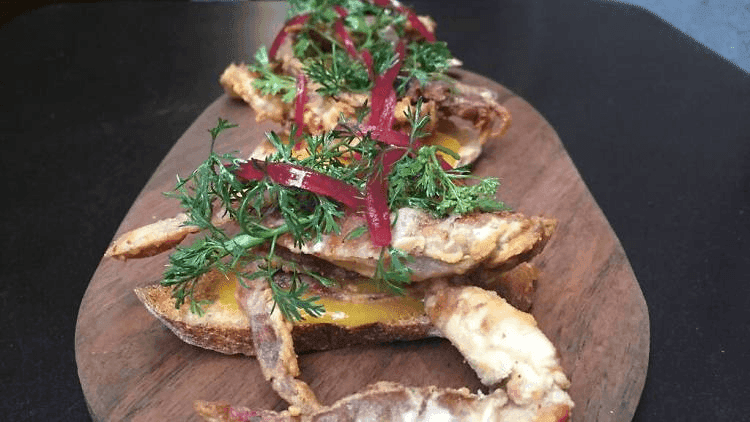
From world-class fine dining in Polanco to bustling market stalls and late-night taco stands, this is your neighborhood-by-neighborhood guide to eating your way through one of the greatest food cities on earth.
Update on Apr 8, 2026
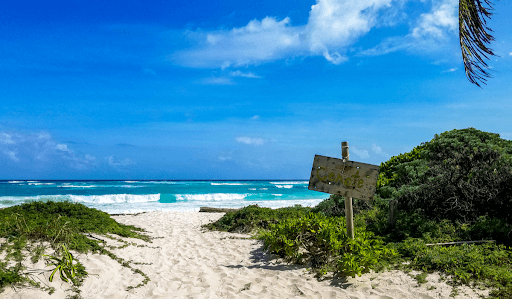
Forget the ranked lists — Mexico's best beaches depend entirely on what you're actually looking for, so we broke them down by surfing, snorkeling, families, solitude, nightlife, and the hidden gems most travelers never find.
Update on Apr 8, 2026
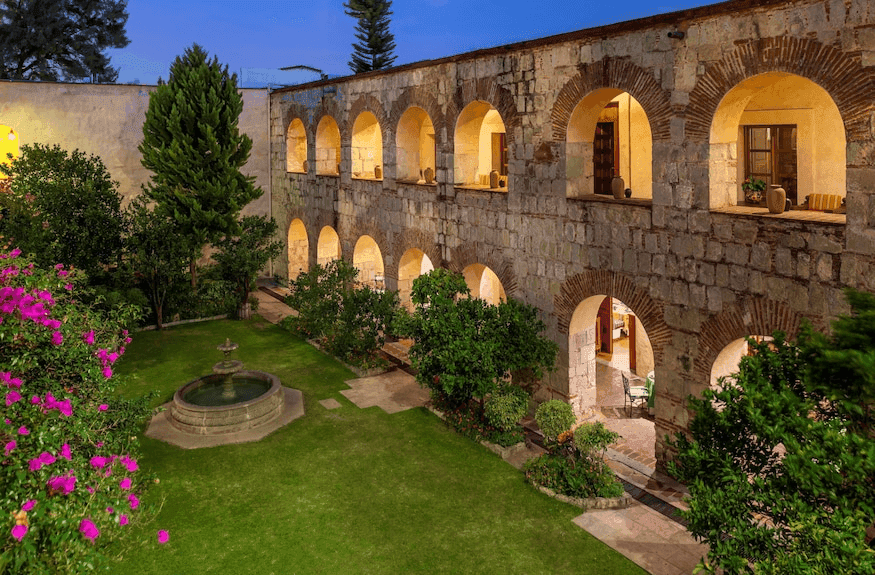
Oaxaca's boutique hotel scene is unlike anywhere else in Mexico, where 500-year-old convents, artist-run guesthouses, and socially conscious properties make the question of where to stay just as interesting as what to eat and drink.
Update on Apr 8, 2026