
A First-Timer's Guide to the Cenotes of the Yucatan
Cenotes are one of the Yucatán’s most unique natural features, thousands of freshwater sinkholes formed in limestone and scattered across the peninsula. This guide breaks down the ones worth visiting, what to expect, and how to avoid the crowds.
·
The Yucatan Peninsula is sitting on top of a massive limestone shelf, and that limestone is full of holes. Thousands of them. When the roof of an underground river collapses, you get a cenote: a natural sinkhole filled with fresh water so clear it looks photoshopped. The ancient Maya considered them sacred entrances to the underworld. Modern tourists consider them the best swimming holes on the planet. Both groups are correct.
There are over 6,000 known cenotes across the Yucatan, Quintana Roo, and Campeche. You could spend a year visiting one per day and barely scratch it. This guide covers the ones worth planning around, organized by type and location, with honest notes about crowds, access, and what to expect when you show up.
How Cenotes Work (and Why They're All Different)
Cenotes fall into 3 basic categories: open, semi-open, and cave. Open cenotes look like natural pools with no roof. Semi-open cenotes have a partial ceiling where the limestone hasn't fully collapsed, so you get a mix of light and shadow. Cave cenotes are fully underground, often accessible only by ladder or staircase, with stalactites hanging over the water.
The water in cenotes comes from rain filtering through limestone, which acts as a natural filter. The result is visibility that can exceed 30 meters. The temperature stays between 24-26°C (75-79°F) year-round, which feels cool when you step in from 35-degree heat and perfect after about 90 seconds.
One thing nobody tells you: cenotes near the coast often have a halocline, a layer where fresh water meets salt water. When you swim through it, your vision goes blurry for a second, like looking through Vaseline. It's disorienting the first time and fascinating every time after.
Near Tulum
Tulum is cenote central. The highest concentration of visitor-friendly cenotes in the Yucatan sits within a 30-minute drive of town, which is both a blessing (easy access) and a curse (crowds).
Gran Cenote is the one you've seen on Instagram. A semi-open cenote with turquoise water, a wooden platform, and turtles that swim up to snorkelers. It's gorgeous. It's also packed by 10am during high season (December through April). The move is to arrive right at opening (8am) or go in the late afternoon when the tour buses have cleared out. Snorkel gear is available to rent. The cavern section in the back, where the ceiling drops low and the light filters through holes in the rock, is the best part.
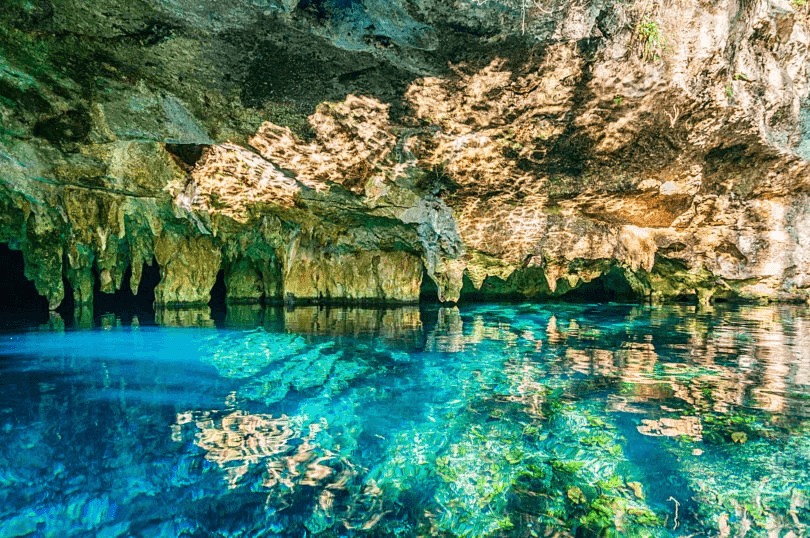
Cenote Calavera (also called the Temple of Doom, which tells you something about the vibe) is an open cenote accessed by jumping through one of 3 holes in the ground. The main hole is about a 3-meter drop to the water. The smaller holes are tighter. If jumping into dark water through a hole in the earth sounds like a hard no, this one isn't for you. If it sounds like the best Tuesday you've had in months, show up early. There's no infrastructure here: no changing rooms, no snack bar, just a hole and some water.
Cenote Zacil-Ha is the family-friendly option. A large open cenote with a zipline across it, a restaurant on site, and water shallow enough at the edges for kids to wade in. It doesn't have the dramatic cave formations of the others, but it's the cenote where you can actually relax without worrying about your 6-year-old near a cliff edge.
Sistema Sac Actun is for certified divers only. It's the longest known underwater cave system in the world (over 370 kilometers mapped so far), and diving it is one of those once-in-a-lifetime experiences that actually deserves the phrase. You need cavern or cave diving certification and a guide. The formations inside, stalactites and stalagmites that formed when the caves were above water during the ice age, are tens of thousands of years old.
Near Valladolid
Valladolid is a small colonial city about 2 hours west of Cancun and 2 hours east of Merida. It's quieter than Tulum, cheaper than Playa del Carmen, and surrounded by some of the most dramatic cenotes on the peninsula.
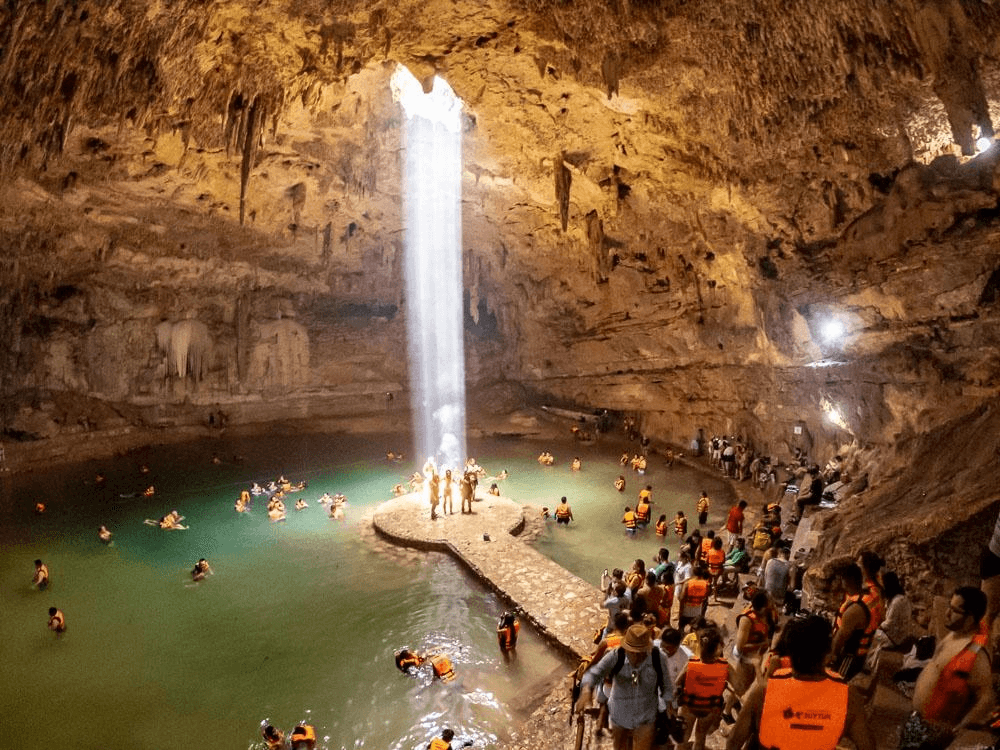
Cenote Suytun is the one with the circular beam of light hitting a stone platform in the center of an underground pool. You've probably seen the photo. The light effect is real, but it only happens when the sun is at the right angle (roughly 11am to 1pm, strongest around noon). Outside those hours, it's still a beautiful cave cenote with clear water and good swimming, just without the spotlight effect. They limit the number of visitors on the platform at a time, so expect a short wait for photos.
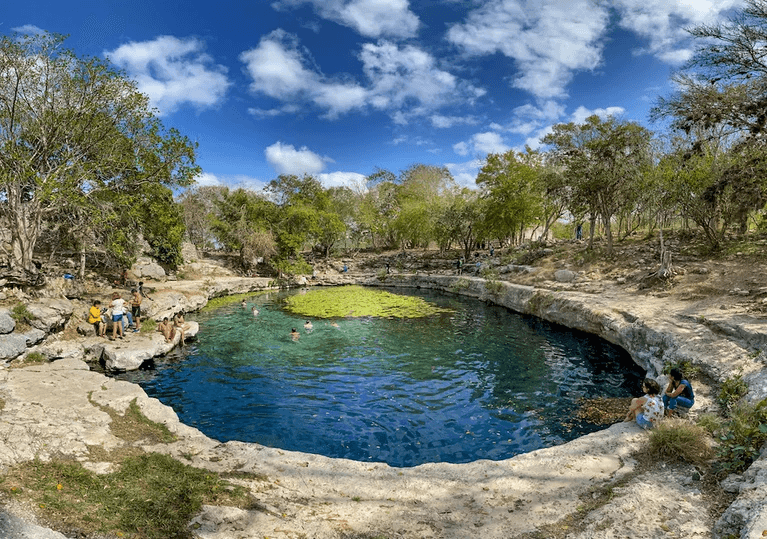
Cenote Oxman sits on the grounds of Hacienda San Lorenzo Oxman, about 4 kilometers south of Valladolid's center. It's a deep open cenote with tree roots hanging 20 meters down to the water and a rope swing that drops you about 5 meters. The hacienda above has a pool and restaurant, which makes it easy to spend a half day. The cenote itself is about 40 meters deep, and the water color shifts from emerald to dark blue depending on cloud cover.
Cenote Xkeken and Cenote Samula are a pair of cave cenotes located next to each other near the village of Dzitnup. Xkeken (also called Dzitnup) has a small opening in the ceiling that lets in a single shaft of light, which hits the water and turns the whole cave blue. Samula is deeper, darker, and has a massive tree root hanging from the ceiling all the way down to the water. You can visit both on the same ticket. They're touristy, but the scale of the caves, especially Samula, makes them worth it.
Near Merida
Merida is the cultural capital of the Yucatan and a city worth visiting on its own terms. The cenotes nearby tend to be less crowded than those near Tulum or Valladolid, partly because fewer tourists use Merida as a base.
Cenote Xlacah is inside the Dzibilchaltun archaeological zone, about 15 minutes north of Merida. You can swim in a cenote and tour Mayan ruins on the same visit, which is a combination that shouldn't be as rare as it is. The cenote is open-air, about 40 meters deep, and surrounded by low jungle. It's not the most visually dramatic cenote on this list, but the context (swimming in water the Maya used for ceremonies, with a 1,500-year-old temple visible from the edge) makes it.
Cuzama Cenotes are a set of 3 cenotes accessed by a horse-drawn rail cart (called a "truck") that runs on old henequen plantation tracks through the jungle. The cart ride takes about 45 minutes and hits all 3 cenotes in sequence. Each one requires climbing down a ladder into a cave. The cenotes themselves are small, dark, and stunning, with stalactites reflecting in perfectly still water. The whole experience feels like something out of a different century, which is because it basically is.
Homun Cenotes are a cluster of cenotes near the small town of Homun, about an hour south of Merida. There are over 150 cenotes in the area, and local cooperatives run tours to groups of 3-4 at a time. Most are cave or semi-open, accessed by steep staircases or ladders. The infrastructure is basic, the guides are local, and the cenotes are some of the least crowded on the peninsula. If you want the experience without the Instagram crowd, Homun is the play.
What to Know Before You Go
Biodegradable sunscreen is required at most cenotes, and many will check or ask you to shower before entering. The ecosystems in these pools are fragile: some cenotes contain species found nowhere else on earth. Regular sunscreen chemicals accumulate in the water and damage the formations over time. Buy biodegradable sunscreen before you arrive (it's available at most pharmacies in Cancun, Playa, or Merida) rather than paying 3x the price at the cenote entrance.
Bring water shoes. The limestone around cenotes is rough and uneven, ladders are often wet, and some entrances involve walking over rocky surfaces. Flip-flops work in a pinch, but water shoes with grip are better.
Cash is king. Most cenotes charge 100-300 pesos (roughly $6-18 USD) for entry. Smaller, community-run cenotes rarely accept cards. Bring small bills.
Go early or go late. The midday rush (11am to 2pm) is real at any cenote within an hour of Tulum or Cancun. Tour buses operate on a schedule, and that schedule puts them at the popular cenotes right around noon. Showing up at 8-9am or after 3pm makes a dramatic difference.
Life jackets are mandatory at some cenotes and optional at others. If you're a confident swimmer, this can be annoying, but the cenotes that require them usually have sections that are 30+ meters deep with no edges to grab. The rule exists because people have drowned.
Cenote fatigue is real. If you try to visit 5 cenotes in one day, by the third one they all start to blur together. Two per day, with lunch and some time above ground in between, is the sweet spot. Three if they're all different types (one open, one cave, one semi-open).
The Yucatan has been quietly sitting on one of the most unusual geological features on the planet for about 66 million years. The cenotes are the result of the same asteroid impact that ended the dinosaurs (the Chicxulub crater's ring of cenotes is a real thing you can trace on a map). Swimming in one is swimming in a hole punched into the earth by the same event that reshaped life on the planet, which is either a profound thought or an overthought, depending on how warm the water is.
About Us
Alta Mexico is a curated travel resource dedicated to showcasing the very best of Mexico's food, culture, people, and places. What begins as a single visit often turns into something deeper, and this platform exists to capture that experience.
From cobblestone streets in Oaxaca to mezcal tucked away in quiet cantinas and sunsets across the Yucatán, Alta Mexico highlights the destinations, meals, and moments that define the country. Whether it’s a first visit or a return trip, the goal is simple: help travelers experience Mexico with more intention and insight.
Read More

From world-class fine dining in Polanco to bustling market stalls and late-night taco stands, this is your neighborhood-by-neighborhood guide to eating your way through one of the greatest food cities on earth.
Update on Apr 8, 2026
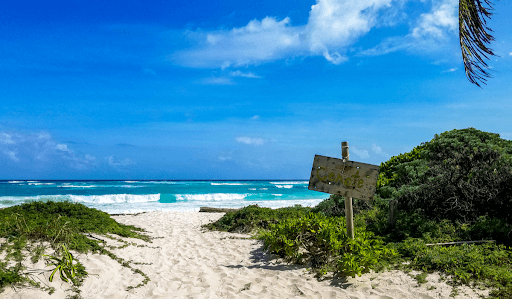
Forget the ranked lists — Mexico's best beaches depend entirely on what you're actually looking for, so we broke them down by surfing, snorkeling, families, solitude, nightlife, and the hidden gems most travelers never find.
Update on Apr 8, 2026
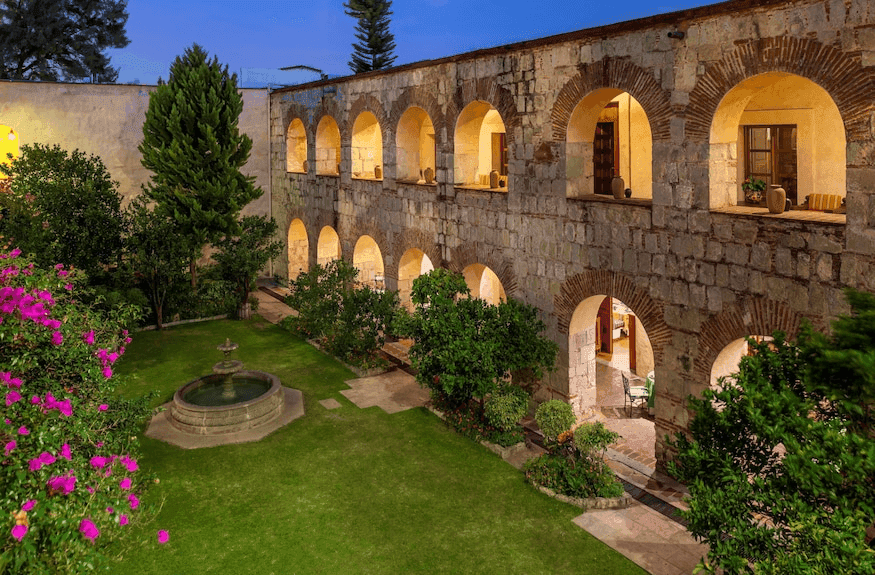
Oaxaca's boutique hotel scene is unlike anywhere else in Mexico, where 500-year-old convents, artist-run guesthouses, and socially conscious properties make the question of where to stay just as interesting as what to eat and drink.
Update on Apr 8, 2026