
The Street Food Guide to Puerto Vallarta and Sayulita
The best meals in Puerto Vallarta and Sayulita aren’t found in restaurants, they’re served on paper plates at street stands that have perfected the same dishes for decades. This guide breaks down exactly where to go, what to order, and how to eat like a local.
·
The best meals in Puerto Vallarta and Sayulita aren't inside restaurants. They're on the street, at counter-height stands, under corrugated tin roofs, served on paper plates by people who've been making the same 3 dishes for 20 years. The taco stands here operate on reputation, not marketing. If the line is long at 10pm, the food is good. If the stand has been in the same spot for a decade, the food is probably great.
This guide covers the specific stands, vendors, and market stalls worth seeking out in both towns, organized by what they serve. Bring cash (most stands don't take cards), eat with your hands, and don't be afraid of the salsa that the locals are using.
Puerto Vallarta
Tacos al Pastor
The trompo (the vertical spit of marinated pork with a pineapple on top) is the signature street food of PV. The pork is sliced thin, shaved to order, and served in doubled-up corn tortillas with pineapple, cilantro, onion, and whatever salsa you choose. Every neighborhood has at least one pastor stand, but quality varies.
Pepe's on Calle Honduras 145C in the 5 de Diciembre neighborhood is the al pastor benchmark. The trompo is a deep red (heavy on the achiote), the slices are crispy at the edges and tender inside, and the tortillas are fresh. It's small, popular, and doesn't try to be anything other than a taco stand that does one thing extremely well. Go hungry.
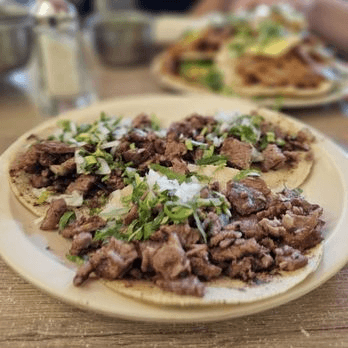
Pancho's Takos in the Zona Romantica is the most famous taco stand in PV, which usually means it's overrated. In this case, it isn't. Pancho's has been operating since the 1980s, open from 4pm to midnight, and the al pastor holds up against anything in the city. The stand has grown into something closer to a counter-service restaurant, but the food hasn't changed. The crowd is a mix of tourists and locals, which is usually a reliable quality signal.
Fish Tacos
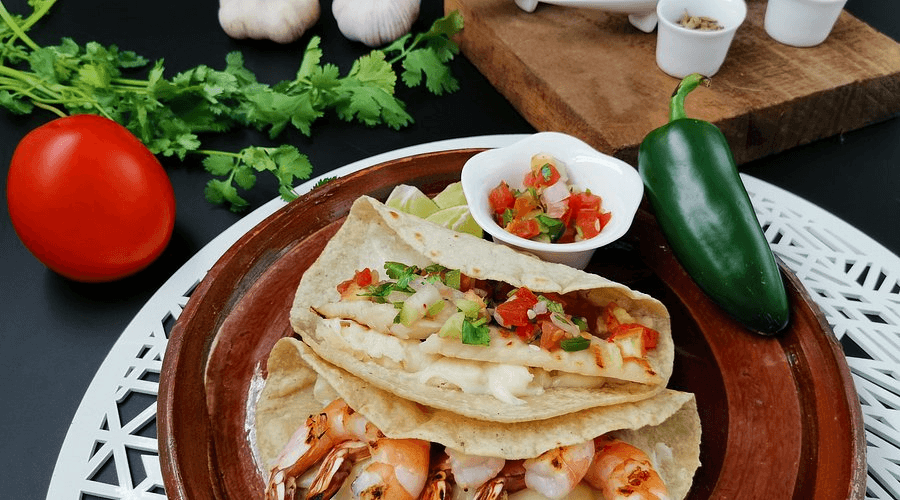
Marisma serves the best fried fish tacos on the Pacific coast between PV and Sayulita, and I'll defend that claim. The fish is battered and fried to order (not pre-fried and sitting under a heat lamp), the tortillas are warm, and the toppings (cabbage, crema, salsa, lime) are balanced. Marisma started as a single stand and now has a second brick-and-mortar location at Marina Vallarta. Both are good. The original is better.
Birria
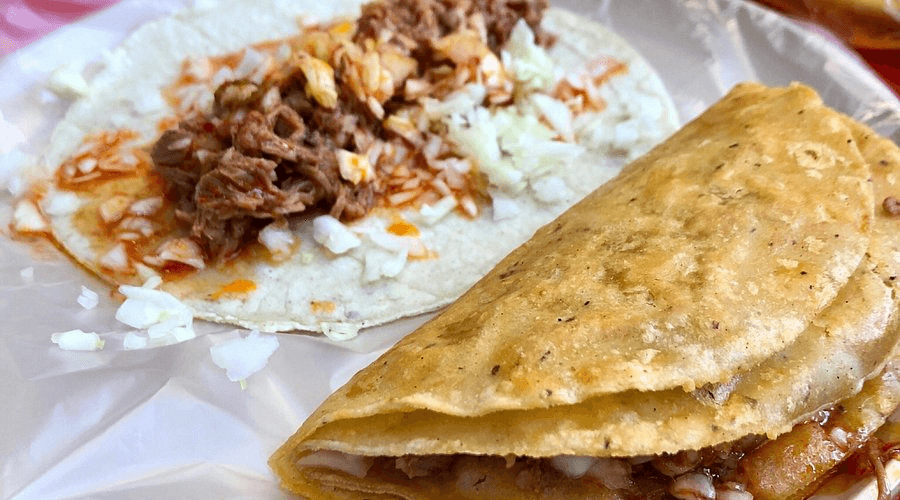
Birria Chanfay does slow-cooked birria (typically beef or goat in a rich, spiced broth) that's earned a following beyond the taco stand circuit. The consomme is the thing: deep, slightly sweet, with a chili warmth that builds. Dip the taco in the broth, eat, repeat. Birria has become a global trend in the last few years, but the PV version predates the hype by decades.
The Taco Circuit
If you're spending more than a few days in PV, a self-guided taco circuit through the neighborhoods is one of the best ways to learn the city. Start in the Zona Romantica (Pancho's, plus the stands on Basilio Badillo), walk through the Malecon to the stands near the market, and end in 5 de Diciembre (Pepe's and the surrounding blocks). The whole route is about 3 kilometers along the waterfront, and you can hit 4 or 5 stands in an evening without overeating at any single one. 2 tacos per stop is the move.
Other stands worth flagging: Tacos Robles (carne asada, consistently good), Tacos Cheo's (variety of meats, including lengua and cabeza for the adventurous), Gaby's Tacos (another solid al pastor option in the Romantica), and Taqueria La Hormiga (small, local, and always crowded at dinner).
Sayulita
Sayulita is smaller than PV, which means the street food scene is concentrated into a few blocks around the central plaza and the road to the beach. You can cover every stand in an afternoon. The quality per square meter is absurdly high.
Tacos
Tacos Ivan is the oldest family-run taqueria in Sayulita, with 2 locations: one by Yambak and one on Avenida Revolucion. The al pastor is made fresh daily on a rotisserie, and the stand has been here long enough that locals reference it as the default. If you eat tacos once in Sayulita, eat them here.
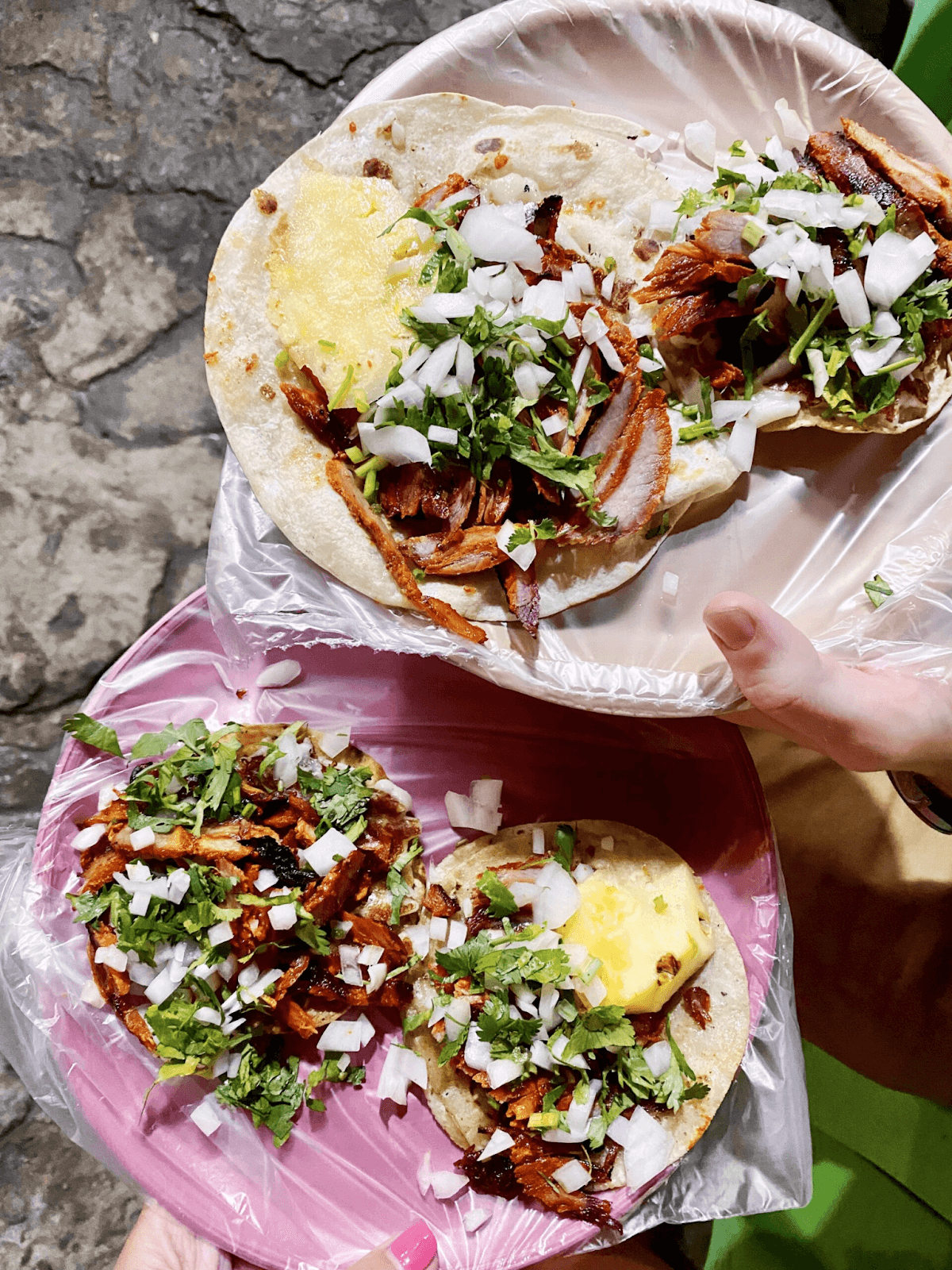
Al Pastor Diaz on the corner of the plaza is Ivan's main competition, and the rivalry is genuine. Diaz runs a slightly wider menu (more protein options, including vegetarian), and the al pastor is excellent. Both stands have their partisans. The correct answer is to eat at both and have your own opinion.
Fish Tacos and Ceviche
El Puesto de Gabi is a hole-in-the-wall stand run by Gabi that serves battered and fried mahi mahi tacos with lettuce, cabbage, pico de gallo, and homemade salsas. The fish ceviche and aguachile (a spicier, lime-heavy variant of ceviche) are both excellent. This is the kind of stand you walk past 3 times before noticing it, then eat at every day for the rest of your trip.
Papus is a food truck near the main beach that does clean, bright ceviche. On a hot day after surfing, a cup of ceviche from Papus with a Pacifico is one of the better meals in town.
The Beach Vendors
Sayulita's beach vendors sell ceviche from plastic buckets, which sounds concerning and is actually great. The ceviche is fresh (it's made that morning from the local catch), the buckets are cooled, and the vendors walk the beach with their product all day. Point at what you want, negotiate a price (it's minimal), and eat it on the sand. This is not a food safety risk you need to worry about; the turnover is high enough that nothing sits around.
What to Eat Beyond Tacos
Street food in PV and Sayulita goes well beyond tacos, even if the taco stands get most of the attention.
Ceviche and aguachile are everywhere on the coast, and the versions at roadside stands and beach carts are often better than the restaurant versions because the fish is fresher and the preparation is simpler. Ceviche in this region is typically shrimp or fish cured in lime with tomato, onion, cilantro, and chili. Aguachile skips the tomato and goes heavier on lime and serrano pepper. If you've never had aguachile, try it at a stand before ordering it at a restaurant. The stand version will be hotter and more honest.
Elote and esquites. Elote is a whole ear of corn, grilled or boiled, slathered with mayo, cotija cheese, chili powder, and lime. Esquites are the kernels cut off the cob and served in a cup with the same toppings. Both are everywhere: beach vendors, street corners, outside markets. It sounds simple because it is. It's also one of the best snacks in the country.
Churros. The stands that set up in the evenings near the plazas in both PV and Sayulita sell fresh churros (fried dough, rolled in cinnamon sugar, sometimes filled with cajeta or chocolate). The fresh ones are in a different category from anything you've had at a restaurant or theme park. Eat them hot.
Fresh fruit and aguas frescas. Fruit stands are on every block, and the variety (mango, papaya, jicama, watermelon, coconut) is sliced to order and dusted with chili and lime. Aguas frescas (fruit-infused water: horchata, jamaica, tamarindo, limon) are sold by the cup at stands and markets and are the best way to stay hydrated while walking between taco stops.
Practical Notes
Cash only at almost every stand. Bring small bills (20s and 50s pesos). Most vendors don't have change for 500s.
Tipping at stands. Not expected, but rounding up or leaving 10-20 pesos is appreciated and goes directly to the person cooking your food.
Timing. Most taco stands open around 6pm and run until midnight or until they sell out. The fish and ceviche stands start earlier (lunchtime) and close by late afternoon. Morning street food is more limited: look for tamale vendors and pan dulce (sweet bread) carts.
Heat. The salsas at stands come in gradients from mild to devastating. Ask "es picante?" before committing. Most stands will have a mild salsa verde, a medium salsa roja, and something in a small container that the regulars use and you probably shouldn't on the first visit.
Seafood safety. The fish and shrimp at stands in PV and Sayulita come from the same morning catch that supplies the restaurants. Turnover is high. The ceviche is fresh. Eat it.
About Us
Alta Mexico is a curated travel resource dedicated to showcasing the very best of Mexico's food, culture, people, and places. What begins as a single visit often turns into something deeper, and this platform exists to capture that experience.
From cobblestone streets in Oaxaca to mezcal tucked away in quiet cantinas and sunsets across the Yucatán, Alta Mexico highlights the destinations, meals, and moments that define the country. Whether it’s a first visit or a return trip, the goal is simple: help travelers experience Mexico with more intention and insight.
Read More
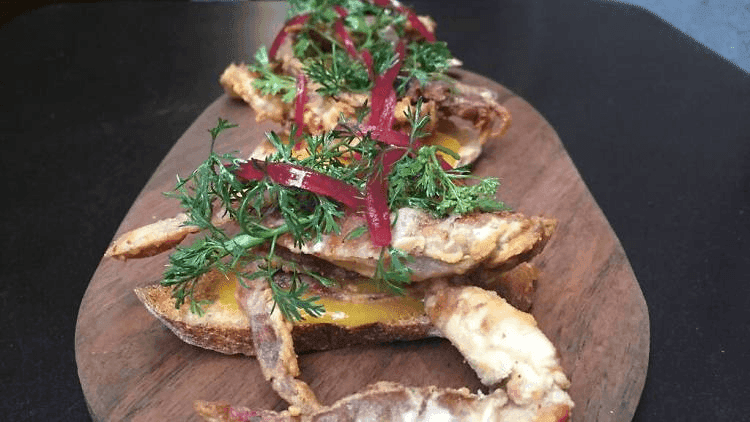
From world-class fine dining in Polanco to bustling market stalls and late-night taco stands, this is your neighborhood-by-neighborhood guide to eating your way through one of the greatest food cities on earth.
Update on Apr 8, 2026
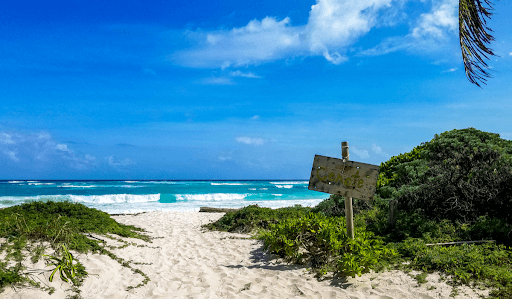
Forget the ranked lists — Mexico's best beaches depend entirely on what you're actually looking for, so we broke them down by surfing, snorkeling, families, solitude, nightlife, and the hidden gems most travelers never find.
Update on Apr 8, 2026
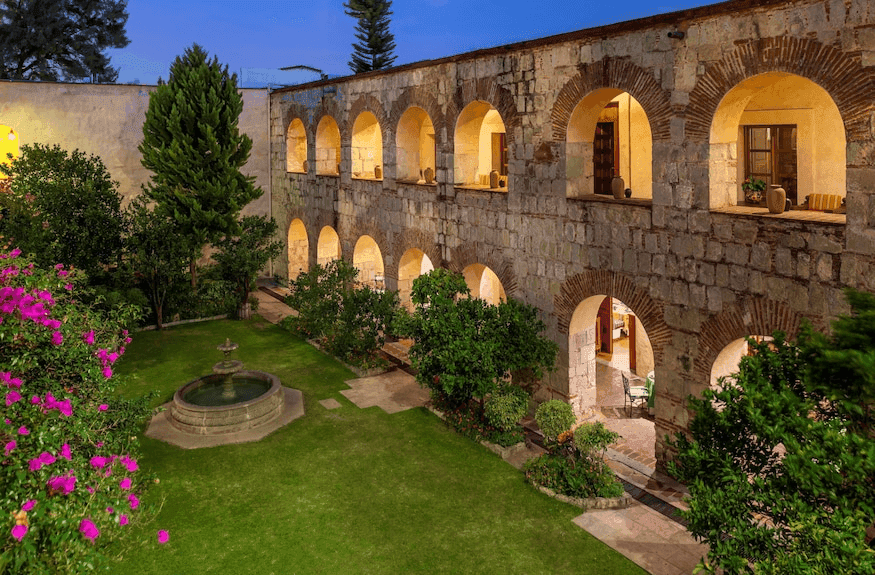
Oaxaca's boutique hotel scene is unlike anywhere else in Mexico, where 500-year-old convents, artist-run guesthouses, and socially conscious properties make the question of where to stay just as interesting as what to eat and drink.
Update on Apr 8, 2026