
Punta Mita, Mexico: A Complete Travel Guide to the Riviera Nayarit
A comprehensive travel guide, including food, lodging, and activities for Punta Mita in Mexico.
Situated at the northern tip of Bahia de Banderas along the west Mexican state of Nayarit coastline where the Sierra Madre range of mountains meets the Pacific Ocean, Punta Mita boasts numerous beaches that are full of sand, stable weather, sunshine, and the luxurious facilities found in resorts of Mexico, all just a couple of hours’ drive from the surf spots of Sayulita and San Pancho.
This location is meant to be a leisurely experience. Start from Punta Mita, relax by going to the beach or playing golf, go for dinner along the coast during evenings, and watch sunsets from the beach. Below is a guide to how one gets to this place, when to travel, and what one can do after getting there.
Know before you go
Fly into: Puerto Vallarta International Airport (PVR), about a 45-minute drive south.
Best months: November through April for dry, warm weather and clean surf.
Whale season: late December through March, in the Bahía de Banderas.
Don't miss: a boat tour to the Islas Marietas and, sea conditions permitting, Hidden Beach.
Getting to Punta Mita
All of the routes into the area begin from the Puerto Vallarta International Airport (PVR) located in the neighboring state of Jalisco. Punta Mita lies around 28 miles northwest from the airport, taking an approximate 45 minutes by road via Highway 200 along the coast. Private transfer, taxis, and car rentals all take this trip; for guests staying within the gates of Punta Mita, the resort will organize a transfer to the gate.
This highway connects all the remaining towns of the Riviera Nayarit region. Sayulita, which is the most famous surfing destination of the region, is only 20 to 30 minutes drive from Punta Mita and San Pancho (officially San Francisco) lies further by 10 minutes. It takes around an hour in Puerto Vallarta on the way in or out because the downtown area of Puerto Vallarta and its malecón are worthy of a visit.
When to go
Choose the time period between November and April when temperatures are warm and dry, and the surfing conditions in the winter are the most predictable. The climate becomes wet and humid during summer, and the period from June to November marks the hurricane season. Therefore, there is a risk of having unfavorable weather conditions during the shoulder seasons. If your intention is to watch humpback whales, then you should know that during December until March, they migrate to the largest bay in Mexico — Bahía de Banderas.
What to do
Beaches are what make this destination so special. Fine sand spreads across the entire peninsula, and some of the beaches are located in front of resorts, thus obtaining a day pass or booking an accommodation in one of the hotels is the most convenient way to get to the most beautiful beaches. For surfers, the famous La Lancha point breaks is the signature beach of the peninsula, and it is situated along the Higuera Blanca coast, suitable mostly for intermediate surfers. One can access La Lancha either via a small hike through the woods from the roadside parking area, or by boat from the El Anclote beach. For beginners, the best place to surf will be Playa El Anclote of Punta de Mita, which is less windy and has shallower water, and Playa Careyeros is the most suitable for swimming.
Make sure you book your boat trip to the Islas Marietas, a UNESCO Biosphere Reserve and an uninhabited archipelago approximately 20 minutes away from shore. The island serves as a home to nesting seabirds like the blue-footed booby, rays, turtles, and reef fish living in the waters surrounding it. The entrance is limited since only a specific number of federal permits are issued per day, and some days in the week are off limits. Playa del Amor, which means Hidden Beach, is located in the center of a collapsed volcano where water breaks through and forms a natural pool surrounded by sand and accessible only on days when the waves are mild enough through a rocky passageway to swim through.
Golfing on the peninsula is among the best experiences in Mexico due to the Punta Mita Golf Club that has 36 holes of Jack Nicklaus signature designs divided into two courses, namely Pacífico and Bahía. These courses are only available to members of the club and to guests of the Four Seasons and St. Regis resort hotels. The Pacífico course houses the Tail of the Whale, which is an optional par-3 golf hole played to a natural island green off the coast of the hole and accessed through an amphibious golf cart during low tides. There is also the Monkey Mountain (Cerro del Mono) trail from which Banderas Bay is viewed, especially in the winter months when it acts as a viewing point for migrating whales.
However you fill the day, end it facing west. Every beach on the peninsula catches the sunset, and the wide beach at San Pancho, a short drive up the coast, is the spot locals tend to recommend for it.
Where to eat and drink
The region's most talked-about opening is Rubra, the first solo restaurant from chef Daniela Soto-Innes, which opened in 2025 at the W Punta de Mita and was quickly named the best new restaurant in Mexico. The plant- and seafood-forward menu draws on a two-acre garden Soto-Innes planted on the property, and the sculptural, pigmented-concrete building is a destination in its own right. In Punta de Mita town, Tuna Blanca, the beachfront restaurant from the group behind Puerto Vallarta's celebrated Café des Artistes, is the reliable special-occasion table, with contemporary Mexican cooking built around the daily catch at El Anclote.
If you are looking for an even more laid-back day, try strolling up from the water at La Lancha for tuna tostadas and ceviche at Makai, or enjoy a table right on the beach at El Barracuda, located in Punta de Mita, and order aguachile and grilled whole fish while you keep your feet in the sand. Another place worth visiting is Hector's Kitchen, where you can expect delicious seafood in an easygoing atmosphere. Moving further up the coast to Sayulita, people gather at Tukari because of the cocktails and smoked fish it serves, and San Pancho has a nice spot called Ajala, where they offer coffee and dishes that keep changing their menu.
Where to stay
Punta Mita has one of the densest concentrations of high-end resorts in Mexico, and most of the marquee names sit inside a gated 1,500-acre community at the tip of the peninsula. The Four Seasons Resort Punta Mita anchors the development, a family-friendly beachfront property with three oceanfront pools and access to both Nicklaus golf courses. Sharing the same gated grounds is Naviva, A Four Seasons Resort, an adults-only, all-inclusive retreat of just 15 tented bungalows spread across 48 wooded acres, the first Four Seasons tented camp in the Americas. The St. Regis Punta Mita occupies the same community, with butler service, three pools, and its own stretch of one of the bay's best beaches.
More options exist along the coast toward Sayulita. The W Punta de Mita is the design-forward, party-leaning choice, now also home to Rubra. Farther north, One&Only Mandarina features eco-chic treehouses and villas across an 80-acre stretch of rainforest that runs down to a private beach, with a polo and equestrian club and jungle-to-ocean trail rides. Susurros del Corazón, Auberge Collection, which opened in 2022, brings 59 rooms, cascading pools, and a private beach to a bluff above Banderas Bay, and the Conrad Punta de Mita sits still farther up the coast toward Sayulita. Travelers after total privacy sometimes book a buyout of a nine-room estate like Hacienda Los Milagros, available only as a full-property rental.
For those who prefer rougher surf town amenities over the glitz and glamor of resort accommodations, Sayulita now offers an array of little boutique hotels. This includes everything from concrete and wood micro-hotel rooms on the southern side of town to simple and elegant rooms on the more secluded northern side of town. All while placing you within easy walking distance of the surf spot and Sayulita's restaurants.
Punta Mita FAQ
Is it called Punta Mita or Punta de Mita?
Both. Punta de Mita is the town and the wider peninsula, while Punta Mita is commonly used for the same area and specifically for the gated resort and residential community at its tip. The names are used interchangeably by most visitors.
What is the closest airport to Punta Mita?
Puerto Vallarta International Airport (PVR) is the gateway, about 28 miles and a 45-minute drive to the south. There is no commercial airport on the peninsula itself.
When is the best time to visit Punta Mita?
November through April offers the driest, warmest weather and the most consistent surf. To combine good weather with humpback whale watching, target late December through March.
Can you visit Hidden Beach at the Islas Marietas?
Yes, but only on a permitted tour, and only when tide and swell allow safe passage through the rock tunnel that leads into the crater. Daily visitor numbers are federally capped and the park closes on set days each week, so book a tour that includes a Hidden Beach permit well in advance.
Which Punta Mita resort is best for families versus couples?
The Four Seasons Resort Punta Mita and the St. Regis are the strongest choices for families, with multiple pools and kids' programming. Couples looking for seclusion tend toward the adults-only Naviva or the rainforest villas at One&Only Mandarina.
About Us
Alta Mexico is a curated travel resource dedicated to showcasing the very best of Mexico's food, culture, people, and places. What begins as a single visit often turns into something deeper, and this platform exists to capture that experience.
From cobblestone streets in Oaxaca to mezcal tucked away in quiet cantinas and sunsets across the Yucatán, Alta Mexico highlights the destinations, meals, and moments that define the country. Whether it’s a first visit or a return trip, the goal is simple: help travelers experience Mexico with more intention and insight.
Read More

From world-class fine dining in Polanco to bustling market stalls and late-night taco stands, this is your neighborhood-by-neighborhood guide to eating your way through one of the greatest food cities on earth.
Update on Apr 8, 2026
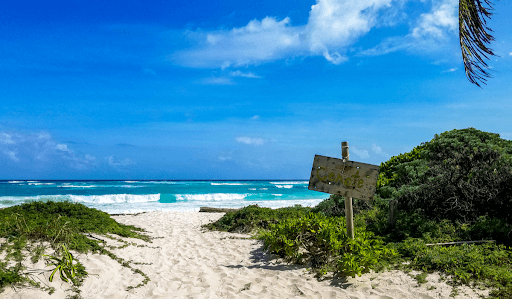
Forget the ranked lists — Mexico's best beaches depend entirely on what you're actually looking for, so we broke them down by surfing, snorkeling, families, solitude, nightlife, and the hidden gems most travelers never find.
Update on Apr 8, 2026
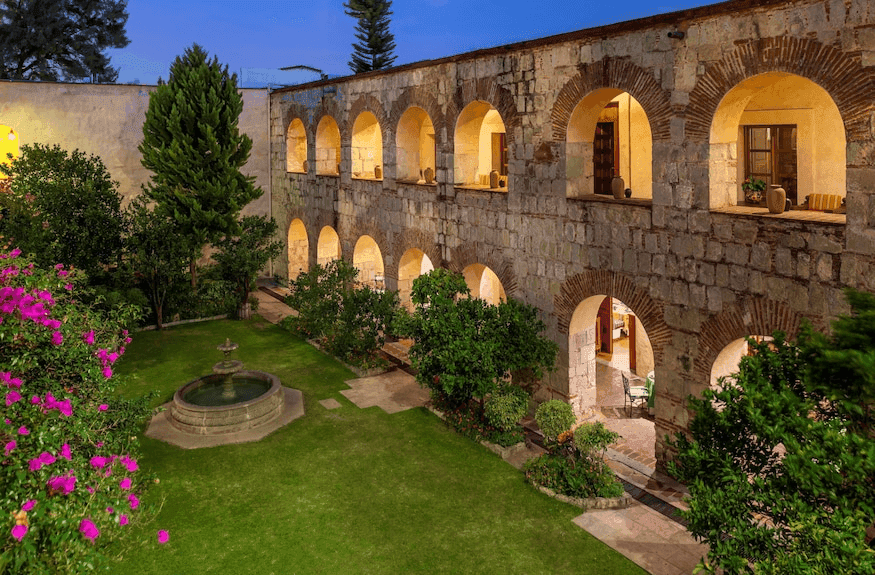
Oaxaca's boutique hotel scene is unlike anywhere else in Mexico, where 500-year-old convents, artist-run guesthouses, and socially conscious properties make the question of where to stay just as interesting as what to eat and drink.
Update on Apr 8, 2026