
Best Natural Swimming Spots in Mexico 2026: Cenote, Cascade & Hidden Lagoon Picks
Cenotes, cascades, and sinkhole pools across three regions, ranked on water clarity and crowd math, with an honest con on every pick.
Camila Vega
·
Mexico's tourism boards will tell you every swimming hole on the map is "crystal clear" and "magical." Most travelers learn the hard way that "crystal clear" can also mean a chlorinated tour-bus stop with 200 people queued up for the rope swing. The water that actually delivers — the kind that turns your shoulders cold in the first three feet and lets you watch catfish trace the limestone twenty feet below — almost always demands either a 45-minute washboard road or a 6:30 AM alarm. What separates a great natural swim from a tourist trap: water clarity you can verify with your own eyes, crowd math (people per square meter of swimmable surface), water temperature you can actually tolerate, and the willingness of the access road to ruin your rental car.
This guide is grouped by region (Yucatán Peninsula, Chiapas, and the Huasteca Potosina) because driving between them is a non-starter and you'll likely build a trip around one. Within each region the picks are ranked, and every pick gets a real con. Even the top one. For a wider regional overview, see our Mexico road-trip routes guide.
What makes a great natural swim?
Factor | Why it matters |
|---|---|
Water clarity & color | 20+ feet of visibility is the bar for "you can see your toes and the fish past them." Mineral content drives the color. Yucatán cenotes hit electric turquoise from dissolved calcium; Chiapas rivers run milky blue from suspended carbonate. |
Crowd math | A spot can have phenomenal water and still get ruined by 400 day-trippers between 11 AM and 2 PM. Arrive before 9 AM, after 4 PM, or pick a site whose access road filters out the soft tours. |
Water temperature | Cenotes sit at a constant 75°F (24°C) year-round: refreshing, not warm. Chiapas waterfalls run 68–72°F. If you want bathwater, skip both and head to a hot spring. |
Access difficulty | Some sites are a paved parking lot away; others involve a three-hour lancha ride and a rope-assisted scramble. Match the spot to your group's worst-case mobility, not your best-case enthusiasm. |
Swimmer-friendliness | Currents, depth at entry, jumping platforms, ladder availability. A "swimmable" lagoon with a six-foot drop from a slippery limestone shelf is not swimmable for everyone in the car. |
Surrounding ecosystem | The view above the waterline — ceiba roots dangling from cavern ceilings, motmots calling in the canopy, travertine fossilizing in real time — is half of why you came. |
Best natural swims in the Yucatán Peninsula
The Yucatán's limestone shelf is essentially a sponge holding the largest underground river system on earth. Where the roof collapses, you get a cenote. There are over 6,000 of them; these four are the ones worth planning a week around.
1. Gran Cenote (Tulum) — Best Overall
Why it wins: It's the rare cenote that delivers on three things at once: an open-air swim area with sunlight slanting through the surrounding jungle, semi-cavern sections you can snorkel into without a guide, and water clear enough to count the gills on the catfish ten feet below you. Resident freshwater turtles swim right up to your mask without ceremony, and the limestone walls drip with vines you'll be tempted to reach for but absolutely shouldn't.
You enter via a wooden staircase into a horseshoe of two connected pools, split by a stalactite-streaked rock formation. Snorkeling between them through a low cavern — bats hanging six feet above the waterline, light filtering down in pale-green shafts — is the moment most visitors carry home. The temperature is a constant 75°F. Cold enough to feel in your jaw for the first minute. Perfect after that.
Getting there: 4 km north of Tulum town on Highway 109. Easy taxi (200 MXN) or 15-minute bike from the pueblo. Wheelchair access only to the rim, not the water.
Honest cons: That accessibility is also the problem. By 10 AM, Gran Cenote is the default stop on every shared van out of Playa del Carmen, and entry isn't capped. Peak January days push 80+ swimmers into a pool that feels intimate at 20. Cruise-ship Tuesdays are worst. Go at opening (8:15 AM) or pick a different day.
Cost: 500 MXN entry (about $26 USD); locker and life vest included. Snorkel rental 80 MXN extra; bring your own to skip the line.
Bottom line: The cenote that delivers exactly what the brochures promise — but only if you beat the buses.
2. Cenote Multun-Ha (Cobá) — Best for the Light Beam
Why it wins: A fully enclosed cavern in the Cobá ejido cenote network, where the only natural light enters through a single hole in the limestone roof and lands on water so still it bounces the beam back up as a reflected column. The pillar of light shows up cleanest between 11 AM and 1 PM when the sun aligns directly with the aperture; outside that window the cavern goes back to candle-dim and you'll mostly hear the drip of stalactites.
The swim itself happens in a 20-meter-deep dark pool with calcium formations hanging two meters above the water, closer to swimming in a cathedral than a sinkhole. Wooden plank dock at the base of the staircase; you slip in from there. Bring a waterproof headlamp if you want to see the far walls.
Getting there: 5 km outside the Cobá archaeological site, signposted off the main road. Rental car or a 30-MXN bike rental from Cobá town. Stairs down into the cavern; not wheelchair accessible.
Honest cons: Multun-Ha is the least-visited of the Cobá ejido's three-cenote circuit (with Choo-Ha and Tamcach-Ha), and some drivers will quietly skip it to shorten your day; insist on the full circuit at the booth. The cavern is genuinely dark, and visitors with claustrophobia tend to swim one loop and climb out.
Cost: 100 MXN for the single cenote, 250 MXN for the three-cenote combined ticket. Life vest rental 30 MXN. Cash only; goes directly to the Cobá Maya community.
3. Cenote Dos Ojos — Best for Snorkeling
Why it wins: Two adjoining cenotes connected by a 400-meter underwater passage that recreational snorkelers can follow at the surface. The roof is intact in most sections, so you're floating through a half-flooded cathedral with stalactites a foot above your head and the water glowing back-lit blue from sunlight piercing the entry pools behind you. Visibility runs 80 to 100 feet, the highest on the peninsula.
The "two eyes" sit in 50 acres of jungle 22 km north of Tulum off Highway 307. Cave divers stage from here; surface swimmers stay in the lit sections and still walk out grinning. Bring a flashlight if you want to peek into the Bat Cave passage on the far side.
Getting there: Paved access road, large parking lot, gear-up palapas near the entrance. Then a 5-minute walk on uneven limestone to the cenote rim and a 30-step descent into the water.
Honest cons: Site is privately managed by the local Maya community and the fees have crept up most years. Currently 500 MXN entry, plus a 350 MXN guided snorkel that's essentially mandatory if you want into the connecting passage. Total per adult lands near 850 MXN ($45 USD) before lockers, easily the priciest cenote on this list.
Cost: 500 MXN entry + 350 MXN guided snorkel.
4. Cenote Yokdzonot — Best for First-Timers
Why it wins: Yokdzonot is the cenote with the best origin story: an open-roofed pool ringed by 70-foot limestone walls draped in trailing fig roots, run since 2004 by "Zaaz Koolen Haa," a cooperative of Maya women from the village who developed the site themselves after it sat abandoned for decades. Wooden staircase down, life vests for everyone, lifeguards on the rim, gentle in every sense without tipping into theme-park territory.
The pool is roughly 40 meters across and 40 meters deep, with the same constant 75°F water as every other Yucatán cenote and a steady curtain of vines descending from the jungle above. If someone in your group has never swum in a cenote and is a little nervous about it, this is the one that won't intimidate them.
Getting there: 18 km west of Chichén Itzá, in the village of Yokdzonot. Easiest pairing is a morning at the ruins, lunch and a swim at the cenote. Rental car or 150-MXN taxi from Pisté.
Honest cons: The site sits closer to the road than the ruins do, so during peak hours there's audible traffic from the rim. The cooperative's restaurant is small; arrive at lunch on a Saturday and you'll wait 30 minutes for a table.
Cost: 80 MXN entry (about $4 USD); life vest, locker, and restroom included. Your fee goes directly to the women's cooperative that built the site.
Best natural swims in Chiapas
Chiapas trades limestone caverns for jungle waterfalls running over mineral terraces. The water is milky turquoise from suspended calcium carbonate, the air smells like wet basalt, and the access roads will rearrange your spine.
5. Cascadas El Chiflón — Best Cascade Swim
Why it wins: A staircase of five waterfalls dropping a combined 350 vertical meters through a narrow gorge, with three legitimate swimming pools at the base of the lower falls. The biggest, Velo de Novia (the "Bridal Veil"), is a 120-meter sheet of water you can swim toward until the spray feels like a fire hose against your sternum. Each pool reads a different shade of turquoise because the mineral content shifts as the river descends.
You access via a paved riverside path with handrails, refreshingly civilized for Chiapas. About 60 minutes' walk to the top falls, pools spaced 10–15 minutes apart, so you can pick your altitude and your crowd.
Getting there: 2-hour drive from San Cristóbal de las Casas or 90 minutes from Comitán. Paved the whole way. Parking 30 MXN.
Honest cons: That paved path is paved because it sees real volume. Weekends in dry season pull domestic tourists from Tuxtla and San Cristóbal in equal measure, and the lower pool can hold 150 swimmers by noon. Zip lines also crisscross above two of the pools, which is great if you want a zip line and disappointing if you wanted the photograph clean. Walk to the upper pools for a noticeably quieter swim.
Cost: 80 MXN entry (about $4 USD). The site is run by the local ejido; no hotel or resort on the property.
Bottom line: The most reliable natural swim in Chiapas. Civilized access, real swimming, and Velo de Novia genuinely earns its photograph.
6. Cascadas Roberto Barrios — Best for Crowd Avoidance
Why it wins: A 1.5-km cascade of low, wide travertine drops through the jungle outside Palenque: a dozen swimmable basins of varying depth, plus one natural rock slide that drops you into a 12-foot pool. The water runs the same milky turquoise as nearby Agua Azul, but because Roberto Barrios sits 40 minutes off the tour-bus loop, you'll often share it with thirty people instead of three hundred.
The site is managed by the local ejido, which means the trail is rustic (wooden footbridges, no handrails, slippery limestone in the wet) and the rope swings are inspected by nobody but vibes. Bring water shoes; the travertine grips bare feet for about ten seconds before turning into wet glass.
Getting there: 60-MXN colectivo from Palenque town, or a rental car on a road that develops new potholes every rainy season.
Honest cons: Cell service drops about 20 minutes out, and there's been intermittent ejido road-block activity in the broader region over the last few years; check current conditions the morning you go. Bathrooms and changing rooms are best described as functional.
Cost: 30 MXN entry (about $1.50 USD).
7. Cascadas Las Nubes (Causas Verdes) — Best Remote Pick
Why it wins: Five hours from San Cristóbal toward the Guatemalan border, Las Nubes is what Agua Azul looked like before tour buses found it: a long series of cataracts in turquoise water, with a 100-meter suspension bridge across the river that puts you directly above the loudest drop. The pools at the base of the lower falls are deep enough to dive into from a six-foot ledge, and because the site is so remote you can reasonably expect to share the lower swim with five people instead of fifty.
Getting there: Five-plus hours from San Cristóbal on a mix of pavement and rutted clay. The last hour requires more clearance than a standard rental sedan; rent the SUV. The site is run by the local Causas Verdes ejido. No hotel or resort presence at the river.
Honest cons: That drive is the whole obstacle. Cell service vanishes 90 minutes out, the nearest fuel is in Maravilla Tenejapa, and unless you push back out the same day this is a 2-day commitment from San Cristóbal. Worth it; just don't underestimate it.
Cost: 50 MXN day entry.
Best natural swims in the Huasteca Potosina
Six hours northeast of Mexico City in San Luis Potosí state, the Huasteca is what Chiapas might be if you replaced the Maya ruins with cattle ranches and the dense jungle with semi-tropical scrub. The water carries the same milky-blue mineral signature, but the geology pushed it through gorges and into sinkhole-deep pools instead of over open terraces.
8. Cascada de Tamul — Best for Adventure
Why it wins: A 105-meter waterfall (the tallest in San Luis Potosí) that drops into a milky-turquoise canyon you reach by paddling a wooden lancha three hours upriver, then portaging over river rocks for the final approach. You can't swim directly under the fall (the current would shred you), but the canyon pool 200 meters downstream is calm, deep, and walled by 80-meter limestone cliffs draped in lianas. The drive in passes the Sótano de las Golondrinas region; combine the two if you have the days.
Getting there: Lancha launches from La Morena, about 45 minutes from Ciudad Valles. Bring sunscreen, water, and snacks; there's no shade on the river and no concession at the falls.
Honest cons: Tamul really only runs in the wet season (June through November). In dry months the fall reduces to a trickle and the lancha trip becomes a hot walk over exposed riverbed. In peak wet season the canyon water can run brown from upstream runoff. The goldilocks window is October–November, when both volume and clarity peak.
Cost: 350–500 MXN per person for the collective lancha; cheaper if you fill the boat with your own group.
9. Puente de Dios — Best Hidden Pool
Why it wins: A natural limestone arch over a deep, dark-turquoise pool tucked into a forested cleft, reached by a 200-step staircase that descends into what feels like a sealed terrarium. You swim into the cavern behind the arch on a gentle current that pulls you through and spits you back into sunlight on the far side. The pool is 15 meters deep at center, water temperature low 70s, and the rock walls are streaked with travertine in patterns you'd expect to see in a national-park brochure.
Getting there: 10 minutes outside Tamasopo town. Paved road to the parking lot, then those 200 steps down. The climb back up in 90°F humidity is its own event.
Honest cons: Life vests are mandatory (rented at the top), which kills some of the swim feel if you'd rather move freely. The staircase queues badly on weekends now that the site sits firmly on the Huasteca tour-package map. Tuesday at opening is a different experience entirely.
Cost: 50 MXN entry + 30 MXN mandatory vest rental.
10. Cascadas de Tamasopo — Best for Families
Why it wins: Three side-by-side waterfalls, each about 20 meters tall, dropping into a broad shallow pool with a sand-and-pebble bottom you can wade across. The middle fall has a natural cave behind the water curtain that you can swim into and stand up in. Depth runs from knee-high at the edges to about 12 feet in the center, which makes Tamasopo the most kid-tolerant site in the region without devolving into a kiddie park.
Getting there: Walking distance from Tamasopo town center; you can park in town and stroll over. Easiest access on this list.
Honest cons: That walkability comes with a state-fair atmosphere on weekends: food vendors, a small Ferris wheel in the high season, music carrying across the picnic area. The water itself stays clean and clear; the scene around it is just noisier than wilderness. Visit on a Tuesday morning if you want the postcard version.
Cost: 35 MXN entry (about $1.80 USD).
Budget natural swims worth considering
Not every reader has a rental car, a multi-day itinerary, or the appetite for a three-hour lancha portage. These three deliver real water for very little money and only modest effort.
Cenote Azul (Bacalar) — 35 MXN/day. A freeform swimming hole on the edge of the Bacalar lagoon with a wooden dock and 80-foot water depth in the center. Less photogenic than the Tulum cenotes, but you'll share it with locals on lunch break instead of cruise passengers.
Cenote X'keken (Dzitnup) — 125 MXN/day. The cavern cenote travelers default to when the more famous ones are full. Small light hole, dark-cathedral vibe, roughly half the crowd by default.
Las Pozas de Becerra (near Comitán, Chiapas) — 30 MXN/day. A chain of small mineral pools on the road south of Comitán; the water runs a strange teal-gray from sulfur content and the air smells faintly of struck matches. Soothing in a way that's hard to describe, and almost always empty after lunch.
How to book a natural-swim trip in Mexico
Travel between November and April for cenote clarity. Dry season keeps groundwater visibility above 60 feet; rainy season (June–October) can drop it to 15 feet after a hard storm. The exception is Cascada de Tamul, which actually needs the wet season to run.
Arrive at opening, not "first thing in the morning." Most sites open at 8 or 8:30 AM. The difference between 8:15 and 10:00 is roughly a 5x change in headcount. Set the alarm.
Apply biodegradable sunscreen and reef-safe bug spray 30 minutes before you arrive. Most cenotes require a pre-swim outdoor shower, and standard sunscreen will get you turned away. The shower is also why your makeup will not survive the swim.
Carry 200–500 MXN in cash per person, per site. Entry, locker rental, vest rental, and parking are almost all cash-only. ATMs in Tulum, Valladolid, and San Cristóbal are reliable; ATMs in the Huasteca and rural Chiapas are not.
Wear actual water shoes, not flip-flops. Limestone is sharp dry and lethal wet. The travertine in Chiapas in particular grips bare feet for about ten seconds before turning into wet glass. See the Roberto Barrios entry above, repeated for emphasis.
About Us
Alta Mexico is a curated travel resource dedicated to showcasing the very best of Mexico's food, culture, people, and places. What begins as a single visit often turns into something deeper, and this platform exists to capture that experience.
From cobblestone streets in Oaxaca to mezcal tucked away in quiet cantinas and sunsets across the Yucatán, Alta Mexico highlights the destinations, meals, and moments that define the country. Whether it’s a first visit or a return trip, the goal is simple: help travelers experience Mexico with more intention and insight.
Read More

From world-class fine dining in Polanco to bustling market stalls and late-night taco stands, this is your neighborhood-by-neighborhood guide to eating your way through one of the greatest food cities on earth.
Update on Apr 8, 2026
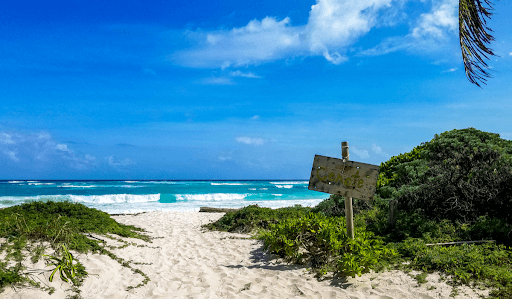
Forget the ranked lists — Mexico's best beaches depend entirely on what you're actually looking for, so we broke them down by surfing, snorkeling, families, solitude, nightlife, and the hidden gems most travelers never find.
Update on Apr 8, 2026
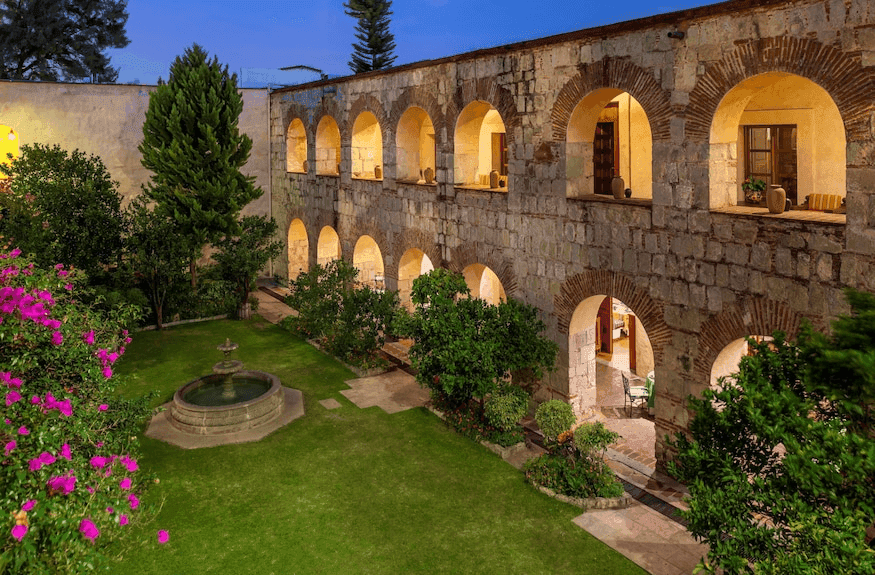
Oaxaca's boutique hotel scene is unlike anywhere else in Mexico, where 500-year-old convents, artist-run guesthouses, and socially conscious properties make the question of where to stay just as interesting as what to eat and drink.
Update on Apr 8, 2026